
Vandaag of morgen in huis

Kwaliteit gegarandeerd

Welkomstaanbiedingen ontgrendelen: GRATIS bezorging | Tot 80% korting | Gratis 30 dagen JoyPlus-proefperiode
Download de app
A face serum can be a useful addition to your daily routine, but the sheer choice can make it difficult to decide. A hydrating serum, niacinamide serum, Korean ampoule or anti-ageing serum may look appealing because of eye-catching claims and lengthy ingredient lists. However, a high concentration or popular ingredient does not automatically mean that the product is right for your skin.
The most common purchasing mistakes are:
Decide what you want to add to your routine with a serum. This prevents you from buying several products with largely the same function.
A percentage is only useful if you know how you intend to use the product. For example, the ANUA Niacinamide 10% + TXA 4% Serum contains 10% niacinamide and 4% tranexamic acid, according to the product information. This makes the formulation clear, but a formula with higher percentages is not automatically more suitable.
When using active serums, start with a small amount and do not immediately combine them with several exfoliating or highly active products. A patch test is particularly sensible if you have sensitive skin. Stop using the product if you experience persistent redness, itching, swelling or a burning sensation, and seek advice from a healthcare professional if necessary.
Also pay attention to warnings. Products containing retinol can increase sensitivity to sunlight. The MEDICUBE Pdrn Pink Exosome Shot Serum 7500 therefore recommends daily sun protection and avoiding prolonged exposure to the sun. Always follow the instructions on the packaging of the product you buy.
A serum is usually applied after cleansing and, if applicable, toner, and before moisturiser. A few drops are often enough, but the exact amount varies from product to product.
Check the following:
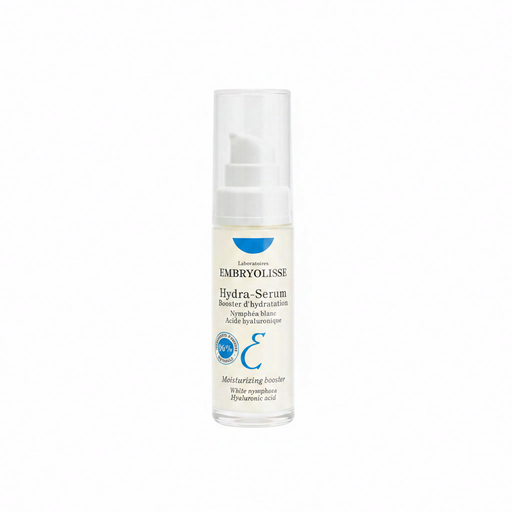
Why it suits this profile: A straightforward choice for anyone mainly looking for extra hydration without combining several active serums. The product information states that it is suitable for all skin types and has a lightweight texture.
The ingredient list is more straightforward than that of many multifunctional formulas. However, bear in mind that the formulation contains fragrance and limonene.
30 ml, hyaluronic acid and glycerine, a lightweight lotion texture and, according to the product information, dermatologically tested and non-comedogenic.
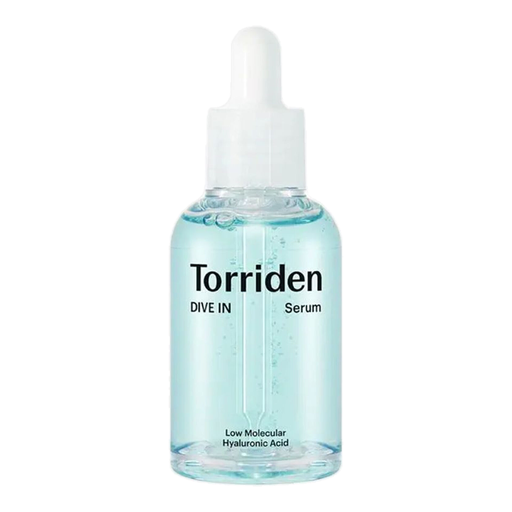
Why it suits this profile: Suitable for users looking for a Korean serum with a lightweight texture and several hydrating components.
The product description lists five types of hyaluronic acid and states that the formula is fragrance-free. Check the packaging currently supplied when you receive it.
50 ml, fragrance-free formulation according to the product information, with panthenol, ceramide NP and beta-glucan.
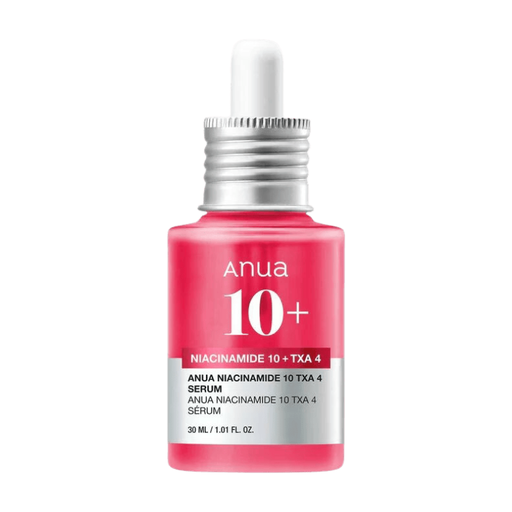
Why it suits this profile: For anyone specifically looking for a serum for pigmentation or an even-skin-tone serum, with a formula that clearly states its percentages.
The concentrations of niacinamide and tranexamic acid are stated. Introduce it gradually and combine it with sun protection during the day.
30 ml, fragrance- and alcohol-free according to the product details, with hyaluronic acid, panthenol and centella extract.
We have put together a complete, up-to-date list of products that fully meet these strict selection criteria and the applicable European safety regulations.
For example, a centella ampoule can be used as a soothing, hydrating step, while a peptide serum or niacinamide serum has a different focus. Do not add everything at once. This makes it easier to see how your skin reacts to a new product.
Usually after cleansing and toner, but before moisturiser. Follow the instructions on the packaging, as some serums are intended for morning use, evening use or gradual introduction.
This depends on the size and dosage. A 30 ml bottle can last from several weeks to a few months with daily use. Do not use more than necessary, and check the expiry date and the period after opening on the packaging.
The price depends, among other things, on the size, ingredients, brand positioning and packaging. So do not compare only the price per bottle; also consider the amount per millilitre, the concentrations and whether the serum suits your skin’s needs. An affordable product that you use consistently may be more practical than an expensive serum that remains unused.
