
Vandaag of morgen in huis

Kwaliteit gegarandeerd

Welkomstaanbiedingen ontgrendelen: GRATIS bezorging | Tot 80% korting | Gratis 30 dagen JoyPlus-proefperiode
Download de app
A face serum can be a useful addition to your skincare routine, but there is a huge range to choose from. Looking for a facial serum for dryness, a dull complexion, pigmentation or fine lines? You will soon come across terms such as “glow”, “glass skin”, “deep delivery” and “anti-ageing”. On their own, these terms say little about whether a product is suitable for your skin.
The right choice therefore starts not with a striking claim, but with the ingredients list, concentration, texture and the way you intend to use the serum.
A vitamin C serum with a high percentage, or a niacinamide serum containing 10 or 15 per cent, may sound appealing. However, a higher concentration can also increase the chance of tightness, redness or irritation. This is particularly true if you have sensitive skin, so it is sensible to build up gradually.
Also pay attention to the form of the ingredient. Ascorbic Acid is pure vitamin C, whereas 3-O-Ethyl Ascorbic Acid, Ascorbyl Glucoside and Magnesium Ascorbyl Phosphate, for example, are derivative forms. These ingredients have different properties and may feel different on the skin.
A glow serum often gives a shiny finish through hydrating ingredients, oils or light-reflecting components. This does not automatically mean that pigmentation or dark spots will disappear. When looking for a brightening serum, therefore, look for recognised ingredients such as niacinamide, alpha-arbutin, tranexamic acid or a form of vitamin C.
According to Beauty of Joseon’s product information, its Glow Deep Serum contains 2% alpha-arbutin, 68.6% rice bran water and niacinamide. The manufacturer positions this product for dull skin and an uneven complexion. This is brand-provided product information, not a guarantee that every user will achieve the same result.
A 100 ml serum may seem attractively priced compared with a 20 or 30 ml bottle. However, check the recommended amount, shelf life and packaging. Active formulas can be sensitive to light, heat and air. With vitamin C, it is particularly important to close the packaging properly and follow the instructions on the label.
If you are using a serum for pigmentation or a serum for dark spots, look at the complete formula rather than just the name on the front.
No cosmetic serum can replace sun protection. During the day, use a sunscreen product according to the instructions, especially when using a formula containing vitamin C, acids or other active ingredients.
Start with one new serum at a time. First apply a small amount to a limited area of skin. Products containing micro-spicules or reedle technology may cause a tingling sensation, according to the product information. SKIN1004 advises starting with its Matrixyl ampoule and niacinamide ampoule two to three times a week, gradually increasing the frequency.
Stop if irritation persists and follow the warnings on the packaging. A serum intended for daily use should suit your skin’s tolerance, not just your desired result.
A watery serum is generally absorbed quickly and can easily be applied underneath a moisturiser. An essence or formula containing oils feels richer. Also check:
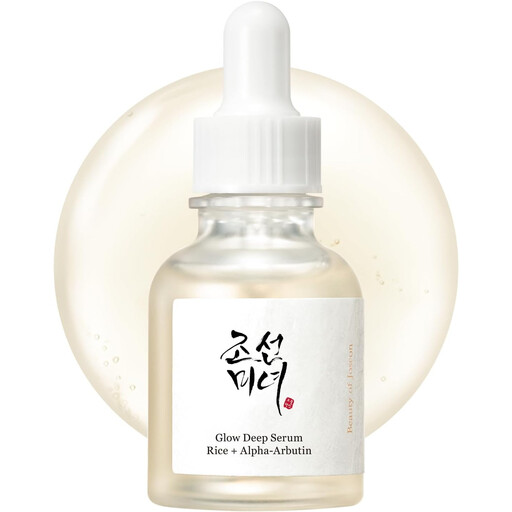
Why it suits this profile: The lightweight formula and 30 ml size make this a straightforward choice for anyone wanting to start with a brightening serum. According to the product information, the serum is designed to hydrate and promote a more even-looking complexion.
The formula states the concentration of alpha-arbutin and contains no fragrance or alcohol, according to the product details. This allows you to assess the ingredients rather than relying solely on the word “glow”.
30 ml size; 2% alpha-arbutin; glycerine, panthenol and rice bran water in the formula; vegan and fragrance-free according to the product details.
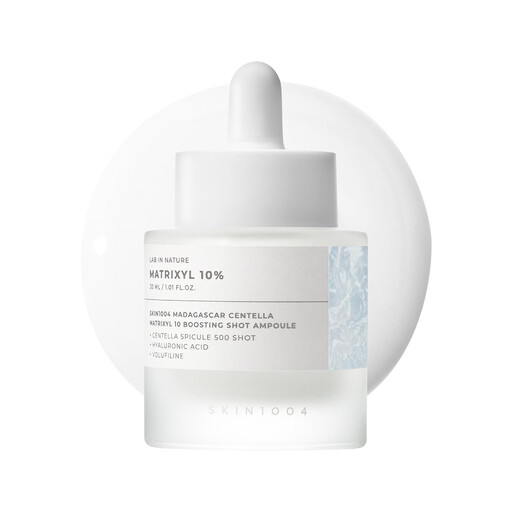
Why it suits this profile: According to the product information, this Korean skincare serum ampoule combines 10% Matrixyl, hyaluronic acid, 5% Volufiline and Centella Asiatica. This makes it suitable for users who want to focus on peptides and a concentrated formula.
The product information recommends introducing it gradually and carrying out a patch test. This helps prevent a concentrated ampoule from being used too frequently straight away.
30 ml; peptides and hyaluronic acid; lightweight texture; recommended build-up of two to three applications per week.
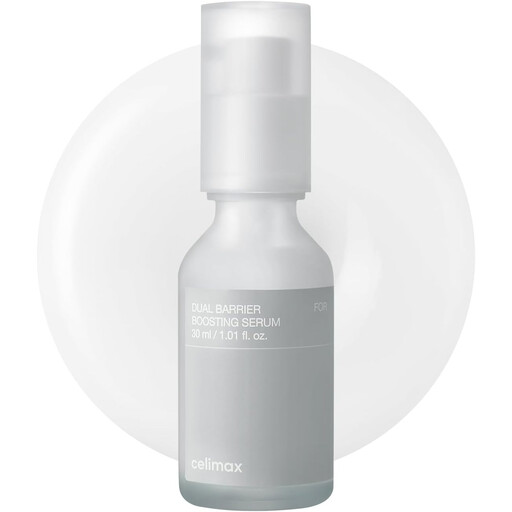
Why it suits this profile: According to the product information, this hydrating serum is intended for dry and sensitive skin. The formula lists an Aquatide Ceramide Complex and five ceramides, making it a good fit for a routine focused on comfort and skin barrier care.
Its positioning is not based solely on a glow claim: the product information mentions skin type, ceramides and dermatological testing. However, always check the current packaging when you receive the product.
30 ml; five ceramides according to the product description; designed for dry and sensitive skin; dermatologically tested according to the product details.
Apply a serum after cleansing and, if desired, toning, but always follow the brand’s instructions. Apply a few drops to slightly damp or dry skin, depending on the directions. Follow with a moisturiser. During the day, add sun protection.
Do not immediately combine a vitamin C serum, niacinamide serum, exfoliant and retinoid. Test one product for several weeks first. This makes it easier to see which formula suits your skin and helps prevent you from buying several unnecessary products.
We have put together a complete, up-to-date list of products that fully meet these strict selection criteria and the applicable European safety requirements.
That depends on the formula. A simple hydrating serum can often be used daily. With a concentrated serum containing acids, vitamin C, azelaic acid or micro-spicules, it is wiser to build up gradually. Follow the label and stop if irritation persists.
The shelf life is stated on the packaging. Also look for the symbol indicating the period after opening. Store the product in a cool, dry place away from direct sunlight. Close a pipette bottle or pump dispenser immediately after use.
The price depends, among other things, on the brand, size, active ingredients and packaging. Compare the price per millilitre as well as the formula. A 30 ml bottle with clearly stated ingredients may be more practical than a larger product providing little information about concentrations or how to use it.
