
Vandaag of morgen in huis

Kwaliteit gegarandeerd

Welkomstaanbiedingen ontgrendelen: GRATIS bezorging | Tot 80% korting | Gratis 30 dagen JoyPlus-proefperiode
Download de app
A face serum often contains a higher concentration of active ingredients than a standard cream. That may sound appealing, but impressive packaging or promises don’t automatically mean a formula is right for your skin. Comparing your options carefully can help you avoid disappointing purchases and choose more easily between an anti-ageing serum, a hydrating serum or a formula for pigmentation and blemishes.
Words such as “lifting”, “detox” and “anti-pollution” sound convincing, but they don’t always mean the same thing. A brand might claim, for example, that a serum reduces wrinkles or firms the skin. Don’t treat such claims as a guarantee: according to the brand’s own research, results may have been measured under specific test conditions.
So, focus on information you can check:
A serum containing vitamin C, acids, retinol and exfoliating ingredients may seem versatile, but combining them can feel uncomfortable on your skin. Start with one new product and use a small amount. For sensitive skin, a simple, fragrance-free formula is often a practical choice.
With a serum for blemish-prone skin, “more” isn’t always better either. Niacinamide, propolis, panthenol or hyaluronic acid may work well in a routine, but a product with several exfoliating ingredients calls for a cautious approach.
A hyaluronic acid serum can leave your skin feeling more comfortable and smooth. However, it doesn’t replace a day cream or sunscreen. If you want to help reduce pigmentation or visible signs of ageing, it’s a good idea to use a suitable SPF during the day. An SPF 30 serum has a clear product specification, but always check the instructions and the amount to apply.
An ingredient’s position in the INCI list gives you an idea of the formula, but not always its exact concentration. Manufacturers don’t usually have to disclose concentrations in full.
A lightweight gel texture works well under make-up, while a richer formula may feel more comfortable on dry skin. If your skin is reactive, look out for fragrance, alcohol denat. and essential oils. This doesn’t automatically mean a product won’t suit you, but these are ingredients worth considering when comparing options.
If you’re trying a new product, you could test it on a small area of skin first. Stop using it if irritation persists, and avoid contact with your eyes unless the product is specifically designed for use around them.
Antioxidants and vitamin C derivatives are sensitive to light and air. A well-sealed pump bottle or dark packaging can be practical. Always check the shelf-life information on the packaging. The symbol showing, for example, 12M indicates how long the product can be used after opening.
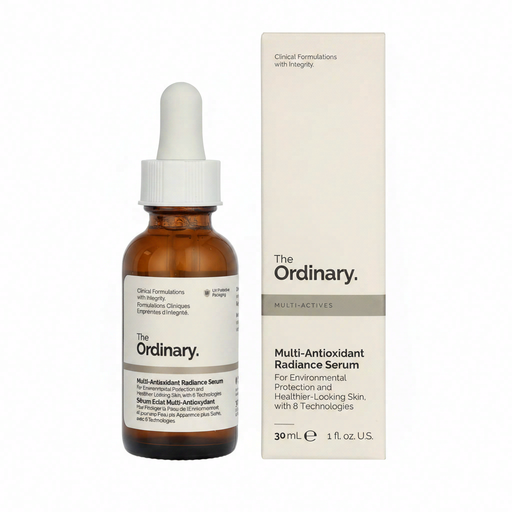
Why it suits this profile: The formula combines eight antioxidant technologies, including a vitamin C derivative, ginseng extract and glycerin. It’s a straightforward choice if you’d like to try an antioxidant serum.
The product information clearly lists the main antioxidants, use in the morning and evening, and a 12-month period after opening.
30 ml, suitable for all skin types according to the product details, and vegan according to the listed specifications.
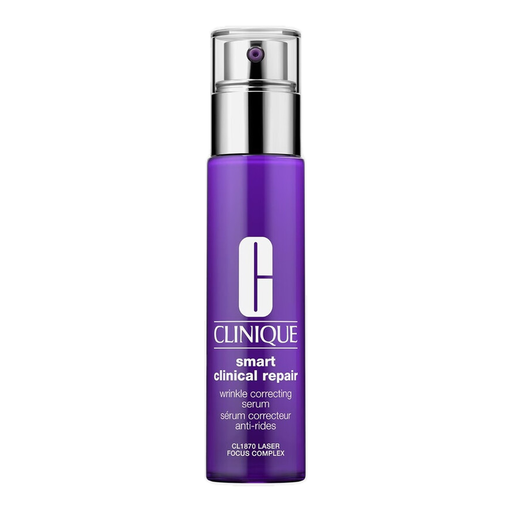
Why it suits this profile: This fragrance-free formula is designed for mature and ageing skin, and contains ingredients including peptides, caffeine and hyaluronic acid.
The product details explicitly state that it’s fragrance-free and non-comedogenic. This makes it easier to compare the formula than relying on an anti-ageing promise alone.
Fragrance-free formula, 30 ml pump bottle, suitable for the face and neck.
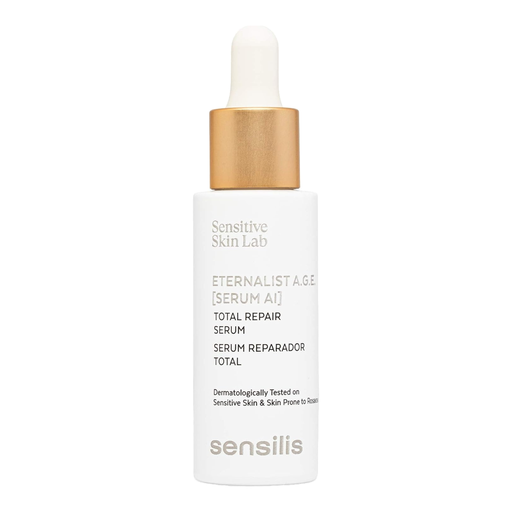
Why it suits this profile: The product information says it’s suitable for sensitive skin and skin prone to rosacea or couperose. The formula contains ingredients including glycerin, oils and sodium hyaluronate.
The target skin type and dermatological testing on sensitive skin are listed in the product specifications. Always check the current ingredients on the packaging.
30 ml, vegan according to the product details, and designed for a nourishing, hydrating routine.
We’ve put together a complete, up-to-date list of products that meet these strict selection criteria and the applicable European safety regulations.
Use your serum after cleansing and before applying a cream or oil. Apply a small amount to your face and, if you wish, your neck. Follow the specific instructions, as some formulas are intended for evening use only.
It depends on how much you use and how often. With daily use in the morning and evening, 30 ml will usually last from a few weeks to several months. Don’t automatically use more to get a stronger effect; check the recommended amount on the packaging.
Sometimes, but introduce new products one at a time. Don’t combine several highly active formulas, such as retinol, acids and vitamin C, without taking care. If you experience redness, itching or a burning sensation, stop using the product and give your skin time to settle.
