
Vandaag of morgen in huis

Kwaliteit gegarandeerd

Welkomstaanbiedingen ontgrendelen: GRATIS bezorging | Tot 80% korting | Gratis 30 dagen JoyPlus-proefperiode
Download de app
A face serum may seem like a straightforward purchase, but products vary considerably in their ingredients, concentration, texture and usage advice. A hydrating serum for dry skin requires different properties from a vitamin C serum or a serum for pigmentation. If you focus only on eye-catching claims on the front of the packaging, you could easily end up buying a product that does not fit well into your daily routine.
As a Joybuy Product Recommendation Officer, I filter the most important product information in a practical way. This helps you understand what to look for in Korean skincare, which ingredients are relevant and which purchasing pitfalls are best avoided.
A formula containing 10% niacinamide or 23% ascorbic acid may sound impressive, but a higher concentration is not automatically more suitable. Sensitive skin in particular may react more strongly to concentrated active ingredients. So also look at supporting ingredients such as panthenol, glycerine, ceramides or beta-glucan.
Words such as “glow”, “lifting” and “glass skin” usually describe the desired appearance rather than a guaranteed result. According to a brand’s product description, ingredients may help with a particular skin concern, but the experience varies from person to person. So pay attention to verifiable information: the ingredient list, volume, frequency of use and warnings.
Vitamin C, retinol and retinal can make the skin more sensitive to sunlight or cause irritation. A salicylic acid serum for acne will not work in the same way for every skin type either. Check the label, start gradually if necessary and use a sun protection product during the day in line with the product advice. Stop using the product if you experience redness, itching or swelling.
Ingredients are generally listed in descending order by quantity, but not every ingredient has a stated percentage. Look for ingredients that match your goal:
A long ingredient list is not automatically an advantage. What matters more is whether the formula suits your skin type and whether you can introduce the active ingredients gradually.
A watery formula usually absorbs quickly and can feel comfortable on combination or blemish-prone skin. A gel or slightly richer texture is often better suited to dry skin, especially underneath a moisturiser. Also check the volume: for example, the products in this overview range from 15 ml to 300 ml.
Also check the usage advice. You will usually apply a serum after cleansing and, if desired, after toner, followed by moisturiser. Some formulas are intended for morning and evening use, while a retinal product is generally recommended for evening use only.
Check the expiry date, batch information and period after opening on the packaging. A vitamin C serum may be particularly sensitive to light and air. advises keeping the Vitamin C23 serum refrigerated and using it within two months of opening. This is product-specific advice and does not automatically apply to every face serum.
For cosmetics bought in the Netherlands, it is sensible to check that the packaging includes a complete ingredient list, warnings and details of the responsible party. Claims such as vegan, alcohol-free or dermatologically tested should ideally be verifiable on the product page or packaging.
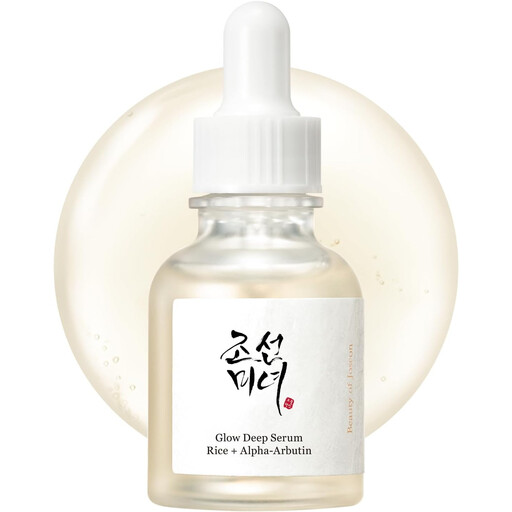
Why it suits this profile: The lightweight formula contains 68.6% rice bran water, 2% alpha-arbutin, niacinamide and glycerine. This makes it a straightforward choice for anyone wanting to try Korean skincare with a focus on hydration and a more even-looking complexion.
The product information states specific percentages and recommends evening use. This means you do not have to rely solely on general glow claims.
30 ml; according to the product information, alcohol-free, fragrance-free and vegan.
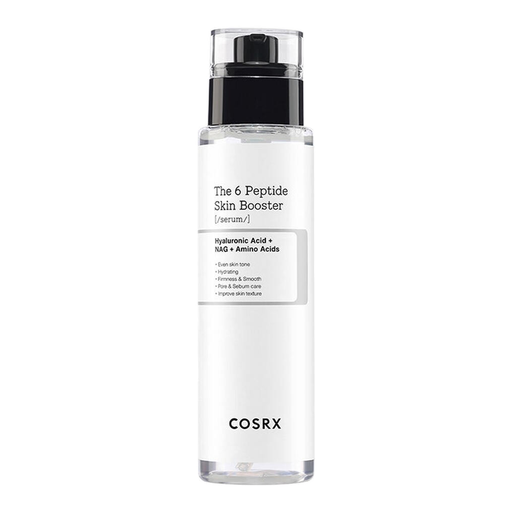
Why it suits this profile: If you are looking for a versatile booster, you get a generous 150 ml volume containing six named peptides, niacinamide, sodium hyaluronate and hydrating amino acids.
The ingredient list clearly shows which peptide and moisture-binding ingredients have been added, rather than relying solely on a general anti-ageing label.
150 ml; suitable for all skin types according to the product description; use after toner and before moisturiser.
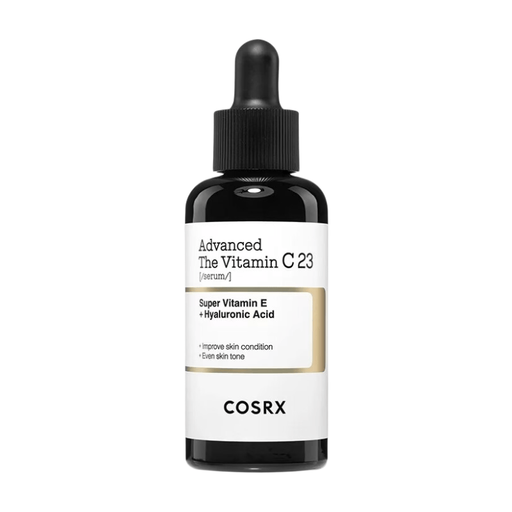
Why it suits this profile: According to the product information, this vitamin C serum contains 23% ascorbic acid, plus 3-O-ethyl ascorbic acid, panthenol and sodium hyaluronate.
The high vitamin C percentage is clearly stated. Patch testing, SPF and refrigeration are also part of the usage advice.
20 ml; advised to store in the refrigerator after opening and use within two months.
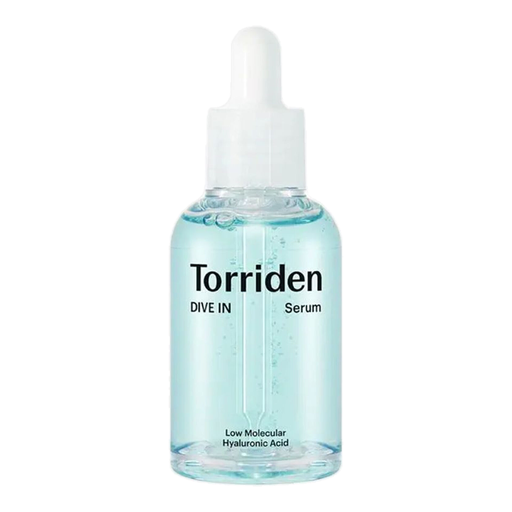
Why it suits this profile: According to the product description, this formula contains five types of hyaluronic acid, panthenol, ceramide NP and beta-glucan. This suits a routine focused primarily on hydration and comfort.
The formula does not focus on a strong active treatment, but on clearly named moisture-binding and barrier-supporting ingredients.
50 ml; according to the product information, vegan, fragrance-free and suitable for all skin types.
We have put together a complete, up-to-date list of products that fully meet these strict selection criteria and the applicable European safety regulations.
First cleanse your face and apply toner if desired. Then apply a few drops of serum to the skin, followed by moisturiser. During the day, use a sun protection product when this is recommended in the product advice. Do not combine several new active serums all at once; introducing them gradually makes it easier to see how your skin reacts.
This varies from one formula to another. Check the symbol on the packaging, the expiry date and the product instructions. Vitamin C formulas may come with specific storage advice. If the smell, colour or texture changes noticeably, check the label before continuing to use the product.
Start with a simple, hydrating formula containing ingredients such as glycerine, panthenol, hyaluronic acid or beta-glucan. Fragrance-free options may feel comfortable, but “sensitive skin” does not guarantee that every user will tolerate the product well. Carry out a small patch test before using a new serum and stop if irritation occurs.
