
Vandaag of morgen in huis

Kwaliteit gegarandeerd

Welkomstaanbiedingen ontgrendelen: GRATIS bezorging | Tot 80% korting | Gratis 30 dagen JoyPlus-proefperiode
Download de app
A face serum can be a useful addition to your skincare routine, but not every product suits every skin type. One formula may focus mainly on hydration, while another contains high concentrations of retinol, vitamin C or acids. Eye-catching packaging or a promise of “glow” therefore says little about whether a serum is right for your skin.
Pay particular attention to these three common pitfalls:
Before you buy, decide what you need from your daily routine:
Product claims about collagen stimulation, skin repair or reducing wrinkles come from brands or sellers. Do not regard such claims as guaranteed results. A brand’s own research may report certain effects, but your skin may react differently.
A higher percentage is not automatically more suitable. A niacinamide serum with 10% or 15% may appeal to experienced users, but beginners may prefer to start with a milder formula. The same applies to a retinol serum or retinal product.
Consider these practical points:
A watery formula generally absorbs quickly and works well under sun cream or make-up. A gel serum, such as Beauty of Joseon Revive Serum, can feel comfortable on normal, dry or combination skin. A richer formula is more suitable for dry or mature skin.
Also check:
Use a face serum after cleansing and, if desired, after toner. Finish with a moisturiser. During the day, sun cream should be the final step.
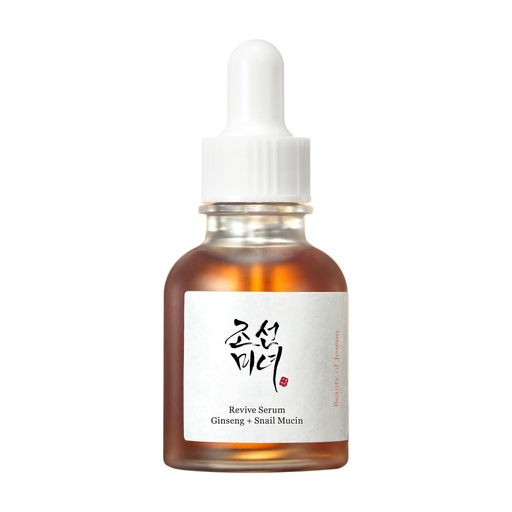
Why it suits this profile: The gel texture and combination of 3% snail mucin, glycerine, ginseng and hyaluronic acid suit beginners who are mainly looking for hydration and a comfortable feel on the skin.
The product information provides clear usage instructions and advises stopping if irritation occurs. No retinoids are listed, helping to keep your routine straightforward.
30 ml, pump bottle, gel texture, alcohol-free and, according to the product specifications, suitable for dry, normal and combination skin.
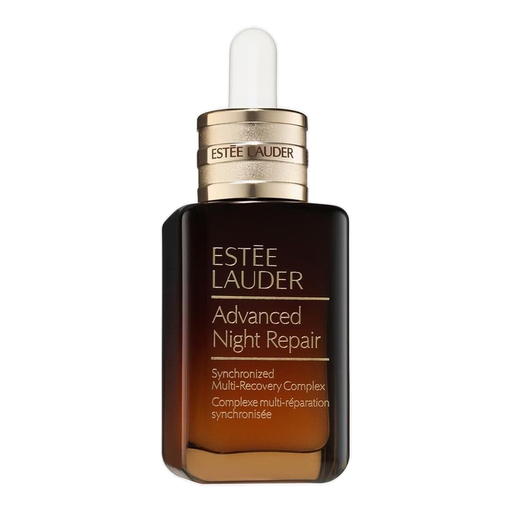
Why it suits this profile: This night serum is designed for users who want to combine hydration, a firmer-looking complexion and care for visible signs of skin ageing in one formula.
The product specifications state that it is a fragrance-free, oil-free formula. This makes it easier to assess the composition in advance than with a product that provides little ingredient information.
30 ml, contains hyaluronic acid, suitable for all skin types according to the product information and intended for use morning and evening.
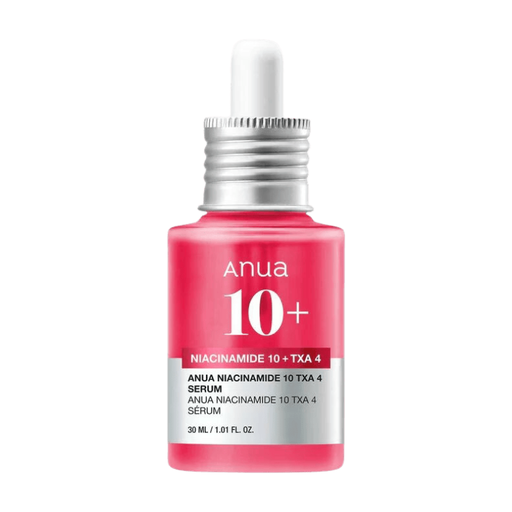
Why it suits this profile: This serum specifically targets an uneven complexion, visible marks and dull-looking skin. It suits users who want to build their routine with a clear purpose.
The percentages of niacinamide and tranexamic acid are clearly stated. This helps prevent a highly concentrated formula from being mistaken for a basic serum.
30 ml, fragrance-free according to the product specifications, with niacinamide, tranexamic acid, alpha-arbutin and several forms of hyaluronic acid.
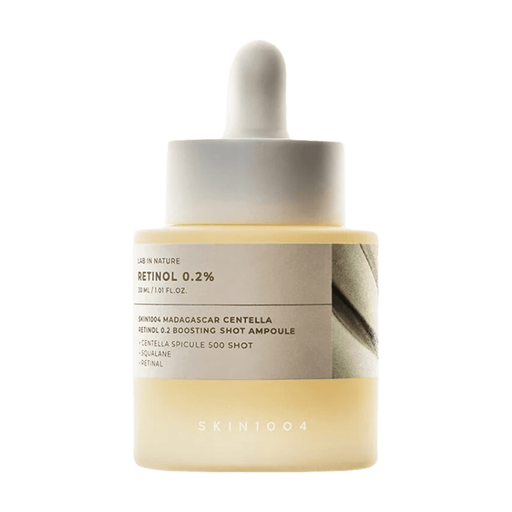
Why it suits this profile: This is a targeted choice for experienced users who want to incorporate retinol and retinal into their evening routine and are prepared to let their skin adjust gradually.
The usage instructions recommend starting 2–3 times a week, performing a patch test and not using it on irritated skin. Medical advice is required during pregnancy or breastfeeding.
9 ml, contains retinol and retinal, with centella, panthenol and hyaluronic acid. The product information recommends an evening routine and daily use of SPF 30 or higher.
We have compiled a complete, up-to-date list of products that fully meet these strict selection criteria and the applicable European safety regulations.
Cleanse your face first. Then apply a few drops or one to two pumps to the skin. Follow with a moisturiser. A retinol serum or retinal product is generally used in the evening. During the day, sun cream is important, particularly when using active ingredients that can make the skin more sensitive to sunlight.
The exact shelf life is stated on the packaging. Check the date and the symbol indicating the period after opening, such as 12M. According to the product information, a vitamin C serum with a high concentration may be particularly sensitive to light, heat and air. Always follow the manufacturer’s storage advice.
The price depends on the brand, volume, concentration and packaging. Do not compare only the price of a bottle; also consider the number of millilitres, the recommended amount per application and the period after opening. A simple formula with hyaluronic acid may be enough for hydration, while a serum for pigmentation or an anti-ageing serum may cost more because of its specific active ingredients.
