
Vandaag of morgen in huis

Kwaliteit gegarandeerd

Welkomstaanbiedingen ontgrendelen: GRATIS bezorging | Tot 80% korting | Gratis 30 dagen JoyPlus-proefperiode
Download de app
A face serum can be an easy way to tailor your skincare routine to your needs. However, it’s best not to rely on claims such as “glow”, “refines pores” or “intensive repair” alone. These descriptions tell you very little unless you know which ingredients and concentrations are involved, and how the product should be used.
The right choice depends on your skin type, your main skincare concern and how many active ingredients are already in your routine. Read on to find out what to look for before buying a Korean face serum or another type of serum.
A long ingredients list isn’t automatically a good thing. Pay particular attention to the first ingredients in the INCI list, the stated concentration of active ingredients and any potentially irritating ingredients. A serum containing several acids, vitamin C and niacinamide may sound appealing, but it won’t always suit sensitive or already irritated skin.
An anti-acne serum is a cosmetic product. Claims about spots, sebum or a more even-looking complexion should therefore be treated as information from the brand, not as a guaranteed result. For example, according to Beauty of Joseon’s product description, its Glow Serum contains 60% propolis extract and 2% niacinamide, and is intended for acne-prone skin. This may make it an option for people with that concern, but it’s no guarantee of a particular result.
If you have persistent or severe skin problems, advice from a GP or dermatologist is more appropriate than layering serums.
An azelaic acid serum, exfoliating serum or product with a high dose of niacinamide calls for a gradual introduction. ANUA’s product information advises starting with 1–2 drops of its Azelaic Acid 10 Hyaluron Redness Soothing Serum, once or twice a week. The instructions for the SKIN1004 Azelaic Acid 10 Ampoule also recommend using it every other day to begin with.
When using active ingredients, apply sun protection during the day and stop if irritation persists.
Start by choosing a product that suits your goal:
A 9 ml serum is handy for trying out a formula, while 30 ml is a common size for regular use. A 55 or 100 ml bottle may offer better value for daily use, but only if you tolerate the formula well and use it before its expiry date.
Pay attention to the texture, too. A watery serum often works well for oily or combination skin. A thicker ampoule may feel more comfortable on dry skin, but can feel heavy when used with several creams.
Don’t start using several strong products at once. For example, don’t combine an AHA/BHA serum, an azelaic acid serum and a retinoid on the same evening without first checking whether they’re suitable for your skin.
A simple order to follow is:
Always check the packaging, as ingredients and directions for use may change.
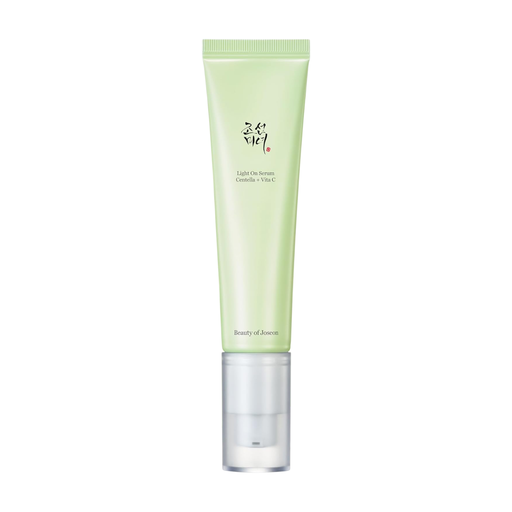
Why it suits this profile: This 30 ml serum combines centella asiatica with a vitamin C derivative, glycerine and hyaluronic acid. According to the product description, it’s designed to hydrate and leave skin looking more radiant, and is suitable for dry, normal and combination skin.
The formula has a clearly stated main purpose and a straightforward blend of ingredients, so you don’t need to introduce several strong exfoliants at once.
30 ml; centella asiatica; vitamin C derivative; glycerine and hyaluronic acid for a hydrating routine.
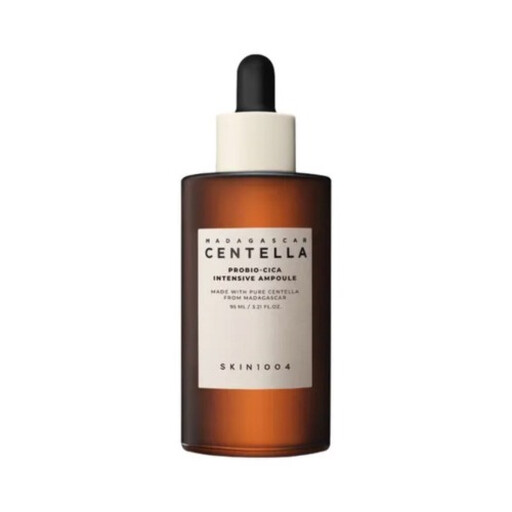
Why it suits this profile: The generous 95 ml size is ideal if you want to use an ampoule regularly. According to the product description, the formula combines fermented centella, probiotics and TECA, and is designed to hydrate and help keep skin comfortable.
The choice isn’t based on a marketing claim alone: the 95 ml size and specific ingredient profile are also clearly stated.
95 ml; centella asiatica; fermented ingredients; suitable for a regular hydrating routine.
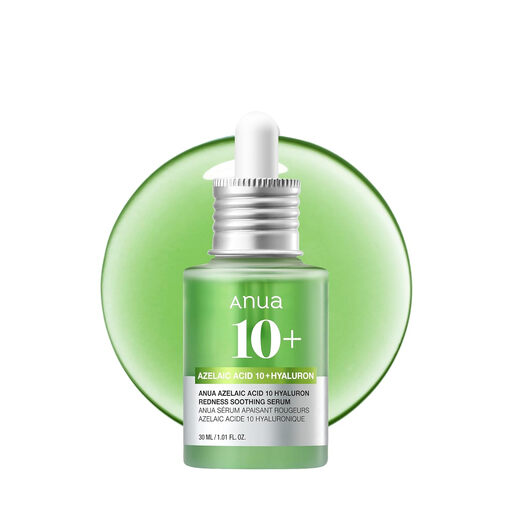
Why it suits this profile: The ingredients list states that this serum contains 10% azelaic acid, panthenol, betaine, hyaluronic acid, centella and ceramide NP. It may suit people looking for a targeted formula for skin that looks unsettled or uneven, and who are happy to introduce it gradually.
The directions for use specifically recommend introducing it gradually and warn about dryness or pilling. This makes it clearer how to add a high concentration of an active ingredient to your routine.
30 ml; 10% azelaic acid; panthenol; hyaluronic acid; centella and ceramide NP.
If you’re mainly looking for a serum for pigmentation, you could consider formulas containing niacinamide and tranexamic acid, such as the ANUA Niacinamide 10% + TXA 4% Serum. The product description also lists alpha-arbutin and hyaluronic acid.
For a pore serum, the SKIN1004 Madagascar Centella Poremizing Fresh Ampoule is a lightweight option containing centella, several forms of hyaluronic acid and peptides. The product description says it’s intended for oily, combination and sensitive skin.
An exfoliating formula such as the Medicube Zero Pore One Day Serum contains AHA, BHA, PHA and niacinamide, according to the product information. Use a product like this carefully and avoid combining it unnecessarily with other acids.
We’ve put together a complete, up-to-date list of products that meet these strict selection criteria and comply with current European safety regulations.
It depends on the formula. A hydrating serum can often be used daily, as directed on the label. With active ingredients such as azelaic acid, AHA, BHA or a high concentration of niacinamide, it’s best to start by using the product a few times a week. Increase use only if your skin tolerates it well.
Check the expiry date and period after opening on the packaging. Some serums, for example, state that they should be used within 6 or 12 months of opening. Keep the bottle closed and store it somewhere dry, away from direct sunlight. If the smell, colour or texture changes, it may be best to stop using the product.
Sometimes, but keep your routine simple. For example, start by combining a hydrating serum with a simple moisturiser. Add only one new active product at a time. If you experience stinging, redness, itching or swelling, stop using it. If symptoms persist, seek medical advice.
