
Vandaag of morgen in huis

Kwaliteit gegarandeerd

Welkomstaanbiedingen ontgrendelen: GRATIS bezorging | Tot 80% korting | Gratis 30 dagen JoyPlus-proefperiode
Download de app
A face serum can add extra hydration, soothing benefits or targeted care for a particular skin concern to your routine. However, it’s not wise to rely solely on words such as “glow”, “intensive” or “restorative”. The formula, concentration, shelf life and directions for use all help determine whether a serum is right for you.
More ingredients don’t automatically mean a serum is better suited to your skin. A hydrating serum, for example, may mainly contain glycerine, hyaluronic acid, panthenol or beta-glucan. For sensitive skin, fragrance, alcohol and potential allergens are also worth checking.
So always check:
A niacinamide serum, vitamin C serum, azelaic acid serum and exfoliating product can each serve a different purpose. If you combine several active formulas straight away, it becomes harder to tell which product is causing a reaction.
Start with one serum. Use a small amount at first and gradually increase how often you apply it. For a serum containing 10% azelaic acid, for example, the product information may recommend starting with 1 à 2 drops, once or twice a week. A patch test is particularly sensible if your skin is sensitive or prone to irritation.
A brand may describe a serum as soothing, brightening or suitable for a damaged skin barrier. That’s product information, not a guarantee for every user. A brand’s own research may show certain results under the conditions tested, but that doesn’t necessarily mean your skin will respond in the same way.
Also look out for the difference between “contains hyaluronic acid” and “provides deep hydration”. The first claim can be checked against the ingredients list. The second describes the expected experience of using the product.
A hydrating serum may suit skin that feels tight or dry. Look for glycerine, sodium hyaluronate, panthenol, beta-glucan and other moisture-binding ingredients. A hyaluronic acid serum generally works well under a moisturiser, which helps lock in the hydration you’ve applied.
For a serum for sensitive skin, a short ingredients list, fragrance-free formula and gradual introduction are important. Panthenol, allantoin, centella asiatica and bisabolol are often found in soothing formulas. Always check the current packaging, though, as ingredients can change.
A percentage gives you more context than a prominent ingredient name on the front of the packaging. Examples from the range include:
A higher concentration isn’t automatically a better choice. If you’re new to active ingredients, it’s better to start with a gentle hydrating or soothing formula.
Most of the serums in this selection come in sizes ranging from 20 to 50 ml. A pump bottle limits contact with air and fingers; a dropper makes it easy to measure out a dose, but needs to be used hygienically. Usually, apply 2 à 3 drops after cleansing and, if you use one, toner. Finish with a moisturiser.
Use sunscreen during the day if you’re using a vitamin C serum, azelaic acid serum, kojic acid formula or another brightening product. Always follow the warnings on the packaging. Stop using the product if you experience persistent redness, itching, swelling or a burning sensation, and seek medical advice if needed.
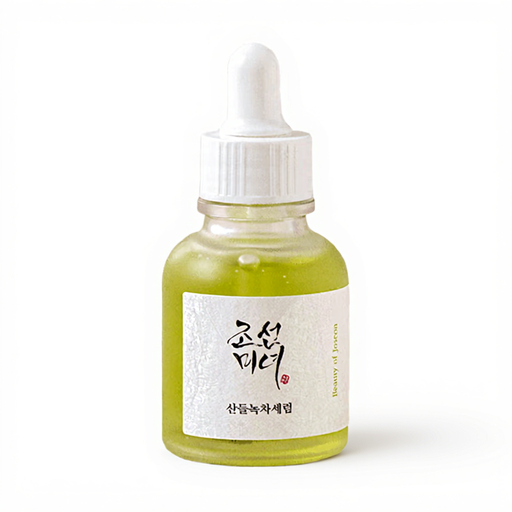
Why it suits this user: Its lightweight texture and 30 ml size make it an easy choice if you’re adding a soothing serum to your routine for the first time.
The product information lists 5% panthenol and a fragrance-free formula. Check the current packaging before ordering.
30 ml, green tea water and panthenol according to the product description; suitable for use after cleansing.
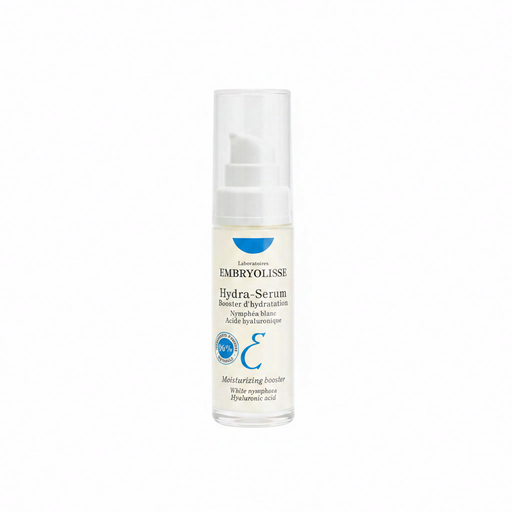
Why it suits this user: A good fit if you’re looking for a simple daily hydration step with a lightweight lotion texture.
The product information lists hyaluronic acid, a 30 ml size and directions to apply a few drops under a cream.
Hyaluronic acid, white water lily and a transparent formula; dermatologically tested according to the product information.
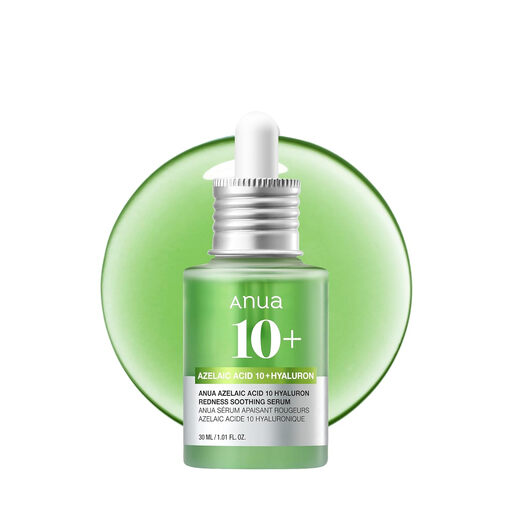
Why it suits this user: For users who want to build an azelaic acid serum into a targeted skincare routine with care.
The instructions recommend gradually building up use, patch testing and using sun protection every day.
10% azelaic acid, panthenol, glycerine and sodium hyaluronate according to the listed ingredients.
We’ve put together a complete, up-to-date list of products that meet these strict selection criteria and the current European safety regulations.
Use serum after cleansing and toner, but before moisturiser. Apply a small amount to your skin and let it absorb. During the day, finish your routine with sun protection, especially when using formulas with vitamin C, azelaic acid or ingredients for which the packaging recommends extra sun protection.
The exact shelf life is shown on the packaging. Check the expiry date and the period-after-opening symbol. Keep the serum closed, somewhere cool and out of direct sunlight. If its smell, colour or texture changes noticeably, check the shelf-life information before using it again.
You can, but it’s best to start with one product. First, combine a hydrating serum with a simple moisturiser. Add a niacinamide serum, vitamin C serum or serum for dark spots later. If you have sensitive skin, introducing products gradually is more practical than using several active formulas at once.
