
Vandaag of morgen in huis

Kwaliteit gegarandeerd

Welkomstaanbiedingen ontgrendelen: GRATIS bezorging | Tot 80% korting | Gratis 30 dagen JoyPlus-proefperiode
Download de app
A face serum can be a targeted addition to your daily routine. Its lightweight texture often contains specific ingredients for hydration, a more even-looking complexion, or care for dry and tired skin. However, it is not advisable to rely solely on words such as “glow”, “lifting” or “anti-ageing”. The formula, instructions for use and size determine whether a serum is practical for you.
A product with a striking percentage of niacinamide, retinal or azelaic acid is not automatically suitable for daily use. The overall formula, packaging and your skin’s tolerance all play a part. For example, a wrinkle serum containing retinal or retinol requires a gradual introduction, as well as sun protection during the day.
Brands regularly describe their products using terms such as “repairs”, “stimulates collagen” or “reduces wrinkles”. Treat these as claims made by the manufacturer, not as guaranteed results. According to Estée Lauder’s own research, for example, Chronolux Power Signal Technology supports the skin’s natural overnight care process. The verifiable product information mainly consists of the ingredients list, size, instructions for use and warnings.
Applying more product does not automatically lead to better results. A serum containing retinal, retinol or azelaic acid can feel uncomfortable, especially if you increase use too quickly. A hydrating serum with hyaluronic acid also feels more comfortable when followed by a cream that helps lock in moisture.
Match the ingredient to your main skin concern:
Read the full ingredients list on the packaging. Pay particular attention to combinations of active ingredients. It is best to use a serum with retinal or retinol according to the brand’s instructions, and not at the same time as several highly active products if your skin is not used to them.
The Beauty of Joseon Revive Eye Serum, for example, lists 2% liposomal retinal in its product information. The formula also contains ginseng extract, niacinamide, macadamia oil, ceramide NP and sodium hyaluronate. According to the product instructions, the serum can be used around the eyes or over the entire face, but contact with the eyes should be avoided.
A 9 ml bottle can be useful for trying out a targeted formula, but it will run out sooner than a 30 or 50 ml bottle. So do not compare only the purchase price; also consider the size and how much product you need each time.
A thin ampoule usually absorbs quickly and works well under sun cream or make-up. A gel serum or richer serum may feel more comfortable on dry skin, but can feel heavier. For sensitive skin, a patch test and gradual introduction are sensible, regardless of the brand.
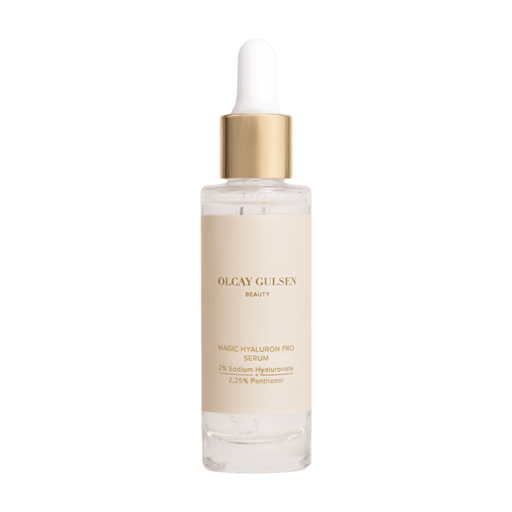
Why it suits this profile: A straightforward choice for anyone mainly looking for hydration and who does not yet have an extensive routine. The product information mentions hyaluronic acid and panthenol, with a formula that the brand says is suitable for all skin types.
The product description makes its main purpose clear: adding moisture. This means beginners do not need to combine several powerful active ingredients straight away.
30 ml size; hyaluronic acid and panthenol are mentioned in the product information; lightweight, non-sticky texture according to the brand.
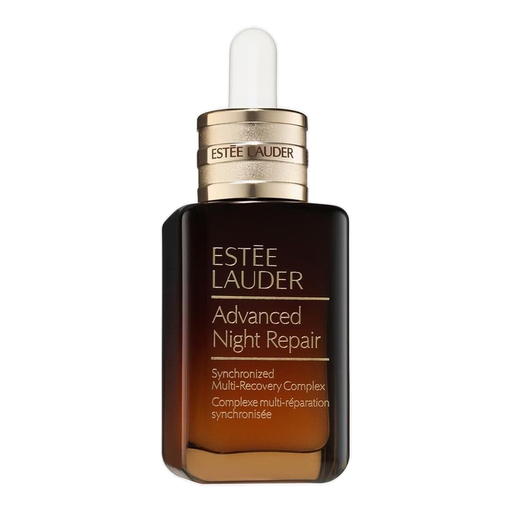
Why it suits this profile: Suitable for anyone looking for a comprehensively described serum for hydration and caring for visible signs of skin ageing. The formula is oil-free and fragrance-free according to the product information.
The product details specify application to the face and neck, use in the morning and evening, and a clear position before moisturiser.
30 ml size; hyaluronic acid in the ingredients list; suitable for all skin types according to the product information.
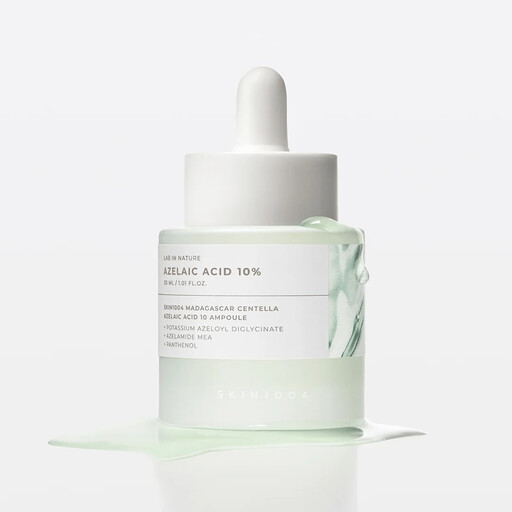
Why it suits this profile: For users specifically looking for a serum with azelaic acid for stressed-looking or uneven skin, and who are prepared to build up their usage gradually.
The instructions for use recommend applying the ampoule every other day during the first week. This helps prevent applying too much active ingredient too soon.
10% azelaic acid according to the product information; panthenol, allantoin, centella asiatica and sodium hyaluronate are listed in the ingredients.
We have put together a complete, up-to-date list of products that fully meet these strict selection criteria and the applicable European safety regulations.
Apply the serum after cleansing and, if desired, using a toner. Usually use one to a few drops or one to two pumps, depending on the packaging. Finish with a moisturiser. During the day, sun cream with a suitable protection factor is an essential part of a routine containing retinal, retinol, azelaic acid or brightening active ingredients.
Carry out a patch test before using a new formula. Stop use if you experience persistent redness, swelling, itching or a burning sensation, and follow the safety information on the packaging. A serum is not a substitute for treatment from a doctor or dermatologist.
That depends on the ingredients. A hydrating serum with glycerine or hyaluronic acid can often be used daily. It is best to start using a serum with retinal, retinol or azelaic acid a few times a week, increasing the frequency only if your skin tolerates it well.
You can, but keep your routine simple. For example, combine a hydrating serum with a moisturiser. Be more cautious when using several active formulas, such as a serum with retinal alongside a strong brightening serum or azelaic acid. Check the manufacturer’s instructions and introduce one new product at a time.
This varies depending on the size and dosage. A 30 ml bottle will generally last longer with daily use than a 9 ml ampoule, but exact usage depends on the number of drops or pumps. Keep the product closed, dry and out of direct sunlight, and check the expiry information on the packaging.
