
Vandaag of morgen in huis

Kwaliteit gegarandeerd

Welkomstaanbiedingen ontgrendelen: GRATIS bezorging | Tot 80% korting | Gratis 30 dagen JoyPlus-proefperiode
Download de app
A face serum can be a useful addition to your daily routine, but not every product suits every skin type. A hydrating serum works differently from a serum for pigmentation, while a retinol serum requires more care when building up usage and with sun protection. Focusing solely on a prominent promise on the packaging could therefore lead you to spend money unnecessarily.
A percentage does not tell you everything. For example, a vitamin C serum with 23% ascorbic acid contains a high concentration, but may be less practical for beginners or sensitive skin. Similarly, a niacinamide serum with 15% is not automatically more suitable than a formula with a lower percentage.
So pay attention to:
Retinol, retinal, vitamin C, azelaic acid and exfoliating acids can all have a place in a skincare routine. However, using several intensive products at the same time makes it harder to identify which product your skin does not tolerate well.
Ideally, start with one new serum. First test a small amount on a limited area of skin, then gradually increase use if your skin remains calm.
Words such as “anti-ageing”, “glass skin” or “deep action” often describe a brand’s positioning. They do not guarantee the same result for every user. A brand’s own research may mention certain improvements, but you should also check the product details, ingredients and safety information.
First, decide on your main goal. For dry or dehydrated skin, glycerine, panthenol, ceramides and hyaluronic acid are practical ingredients to look for. A hyaluronic acid serum mainly helps your skin feel comfortable and supple; its effects also depend on the rest of your routine and on applying a cream afterwards.
For a dull or uneven complexion, you could look for a vitamin C serum, niacinamide, tranexamic acid or a combination containing centella asiatica. A serum for pigmentation is not a substitute for daily sun protection. Without protection from UV radiation, discolouration may continue to reappear visibly.
For oily or unsettled skin, lightweight textures are often more comfortable. A niacinamide serum or azelaic acid serum may suit those looking to care for excess sebum, redness or an uneven appearance. These are cosmetic product properties; persistent skin concerns should be discussed with a doctor or skincare professional.
An anti-ageing serum usually focuses on the appearance of fine lines, a smoother-looking skin surface or firmer-looking skin. Retinol and retinal are vitamin A derivatives. Use a retinol serum in the evening as a general rule, start with a low frequency and follow the instructions on the packaging. Products containing retinol or retinal can increase sensitivity to the sun. During the day, use a broad-spectrum sunscreen with at least SPF 30.
Bakuchiol is often positioned as an alternative to retinol. According to EQQUALBERRY’s product description, the serum contains 5000 ppm bakuchiol and 4% niacinamide. These are verifiable product specifications, but suitability still depends on your skin and expectations.
Serums are often available in sizes of 9, 15, 20, 30 or 55 ml. A small bottle can be useful for trying an active ingredient first, while 30 ml is a common amount for regular use.
Always check:
Vitamin C23, for example, states that the product should be refrigerated after opening and preferably used within two months. Always follow the current packaging, as instructions may vary from one product to another.
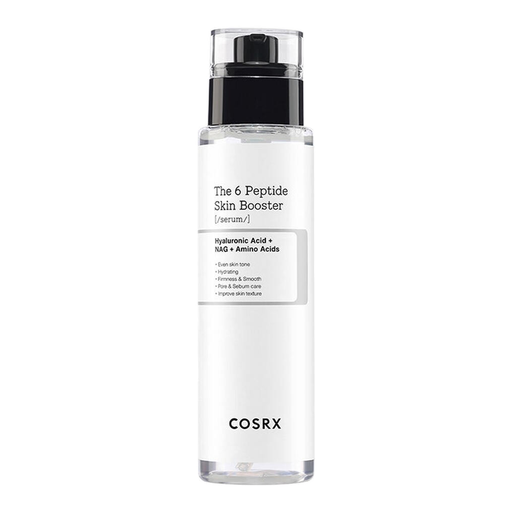
Why it suits this profile: The generous 150 ml size and lightweight formula make this an accessible choice for anyone wanting to start using a face serum.
The formula is not based on a single highly concentrated active ingredient. This makes the routine easier for beginners to understand.
Contains six types of peptides, niacinamide, glycerine and sodium hyaluronate. Suitable for use in the morning and evening according to the product instructions.
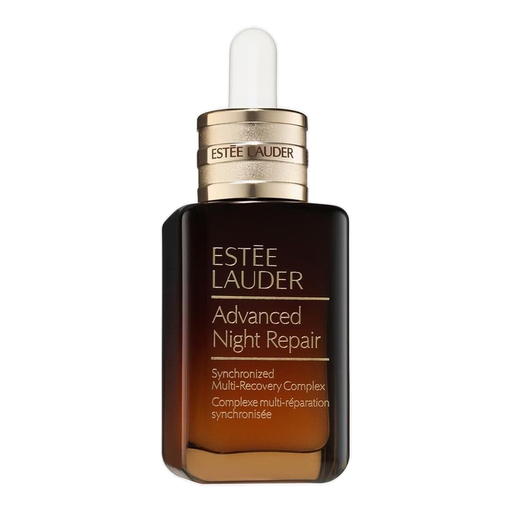
Why it suits this profile: A premium routine user looking for one versatile serum for hydration, smoother-looking skin and a comfortable evening routine.
The product information states that the formula is oil-free and fragrance-free. This makes two important checks immediately clear for those with sensitive-skin preferences.
Contains hyaluronic acid and is designed for all skin types. According to the product description, Chronolux Power Signal Technology supports overnight skincare.
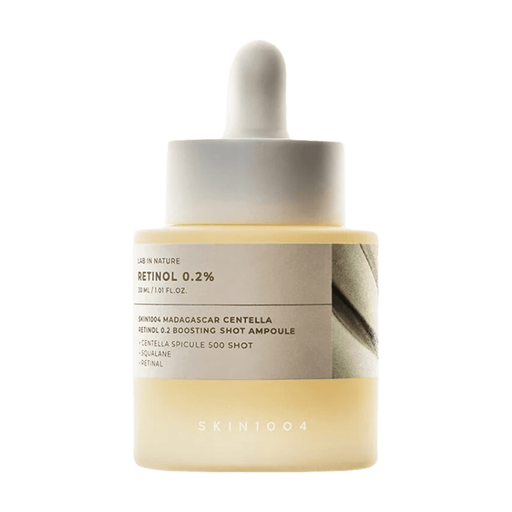
Why it suits this profile: For users who consciously want to introduce a retinol serum into their routine and are prepared to build up usage gradually.
The usage instructions recommend an adjustment phase of two to three times a week and evening use only.
Contains 0.2% retinol, retinal, sodium hyaluronate, panthenol and madecassoside. Daily sunscreen is recommended in the safety information.
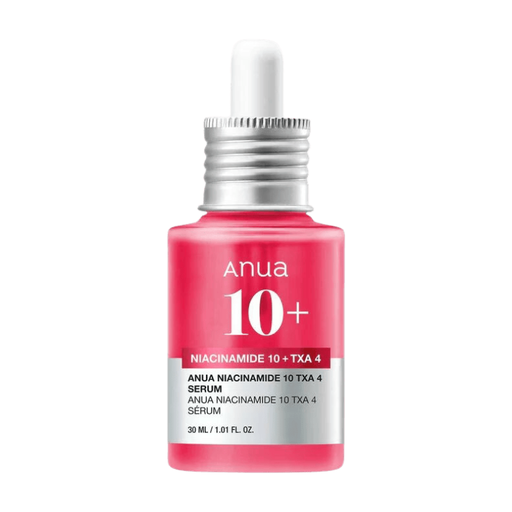
Why it suits this profile: For anyone looking for a serum for pigmentation and a more even-looking complexion, with a lightweight texture for daily use.
The combination and concentrations are clearly stated: 10% niacinamide and 4% tranexamic acid. This means you do not have to rely solely on a general claim.
Also contains alpha-arbutin, several forms of hyaluronic acid, panthenol and ceramide. According to the product specifications, the formula is fragrance-free and alcohol-free.
We have put together a complete, up-to-date list of products that fully meet these strict selection criteria and the applicable European safety regulations.
A Korean skincare serum often works well in a routine with several lightweight layers. Apply products from lightest to richest, and do not introduce several new formulas on the same day.
Look for a fragrance-free formula with a simple ingredient list, and initially avoid high concentrations or several active ingredients. A serum for sensitive skin should feel comfortable first and foremost. Stop using it if redness, itching or a burning sensation persists, and follow the safety information on the packaging.
This can work in some routines, but it is best to use them at different times: vitamin C in the morning and retinol in the evening. Start slowly and do not immediately combine them with other strong active ingredients. Sunscreen during the day remains important.
This depends on the amount it contains and the number of drops used per application. A 30 ml bottle will generally last longer with daily use than a 9 ml ampoule. Check the product’s shelf life after opening and store it as directed. With vitamin C, careful storage may be particularly important.
