
Vandaag of morgen in huis

Kwaliteit gegarandeerd

Welkomstaanbiedingen ontgrendelen: GRATIS bezorging | Tot 80% korting | Gratis 30 dagen JoyPlus-proefperiode
Download de app
A face serum can be a simple addition to your daily routine, but there’s plenty of choice. You’ll find hydrating serums with hyaluronic acid, niacinamide serums for uneven-looking skin, centella serums for sensitive skin and Korean skincare serums with multiple plant extracts. The key question isn’t which packaging looks most appealing, but which formula suits your skin and routine.
Look out for these three common pitfalls:
Decide on one primary skin concern. This makes it easier to compare products.
Ingredients are listed in descending order of quantity, although there are exceptions for ingredients used in small concentrations. Also check for ingredients you’d rather avoid. For example, Embryolisse Hydra Serum contains sodium hyaluronate and glycerine, but also fragrance and limonene. This may be relevant if you’re specifically looking for a fragrance-free serum for sensitive skin.
The Ordinary Soothing & Barrier Support Serum lists ingredients including niacinamide, bisabolol, lipids and ceramide-related ingredients. The product information describes the formula as fragrance-free and alcohol-free, but also lists potential allergens such as benzyl alcohol, phenoxyethanol and chlorphenesin. Always check the current packaging, as ingredients can change.
A serum is generally applied after cleansing and, if you use one, toner, followed by a moisturiser. During the day, sun protection should be part of your routine if you use products that may make your skin more sensitive to sunlight.
Introduce one new product at a time. It’s especially sensible to build up gradually with a serum for redness, dark spots or blemishes. According to the product information, ANUA Azelaic Acid 10 Hyaluron Redness Soothing Serum recommends starting with one or two drops, once or twice a week. The formula contains azelaic acid, betaine salicylate, niacinamide, centella and ceramide NP. Stop using it if irritation occurs.
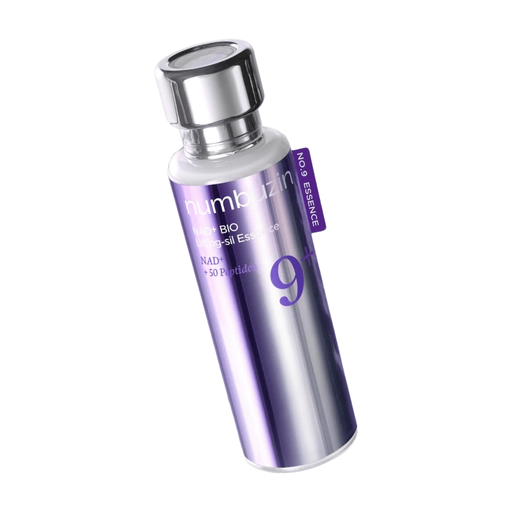
Why it suits this profile: If you’re looking for a comprehensive Korean skincare serum, this product contains niacinamide, sodium hyaluronate, panthenol, adenosine and several peptides.
The long ingredients list makes it clear that this isn’t a simple, basic formula. Check beforehand whether you’re comfortable using several active ingredients.
50 ml; fragrance-free according to the product information.
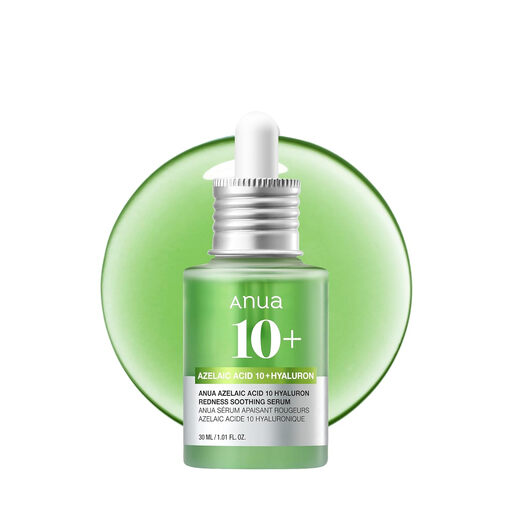
Why it suits this profile: This serum is designed for people specifically looking for a formula with 10% azelaic acid, alongside hydrating and soothing ingredients.
The directions recommend building up use gradually, patch testing and using sun protection during the day. This helps you avoid rushing into using an active formula.
30 ml; the ingredients list includes panthenol, allantoin, sodium hyaluronate, centella and ceramide NP.
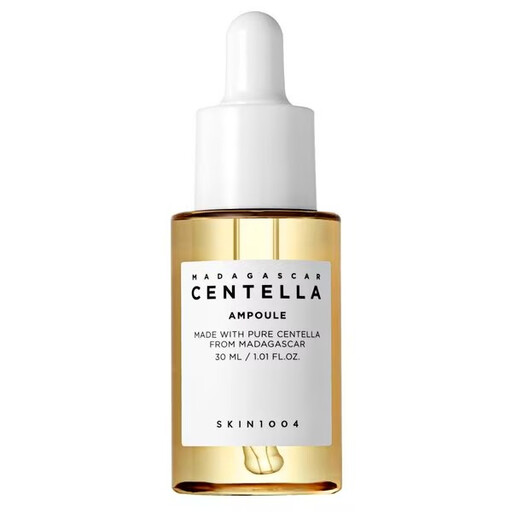
Why it suits this profile: The product information describes a simple ampoule with centella asiatica as its key ingredient. It’s a good fit if you want to avoid combining lots of products.
A concise product description can help you avoid unnecessary combinations. Still, always check the full packaging and test the product on a small area of skin first.
Watery texture according to the product information; available in 30 ml.
We’ve put together a complete, up-to-date list of products that meet these strict selection criteria and current European safety regulations.
First, cleanse your face, then apply a small amount of serum. Follow with a moisturiser. When trying a new product, start by using it less often and follow the directions on the packaging. Avoid contact with your eyes. Stop using it if you experience irritation, itching or swelling.
It depends on the bottle size and how much you use each time. Many serums come in 30 ml bottles and recommend two to three drops per use. This means a bottle could last from a few weeks to several months. Keep it tightly closed, in a cool place and out of direct sunlight. Check the expiry information and the period-after-opening symbol on the packaging.
Sometimes, but don’t introduce several active formulas at once. For example, start by combining one hydrating serum with a moisturiser. If you then want to add a niacinamide serum, vitamin C formula or serum for dark spots, introduce each one separately. This makes it easier to see how your skin reacts and helps you avoid an unnecessarily complicated routine.
