
Vandaag of morgen in huis

Kwaliteit gegarandeerd

Welkomstaanbiedingen ontgrendelen: GRATIS bezorging | Tot 80% korting | Gratis 30 dagen JoyPlus-proefperiode
Download de app
A face serum often contains more concentrated ingredients than a regular cream. That makes it an interesting option for hydration, a dull complexion, visible pigmentation or a weakened skin barrier. At the same time, attractive packaging or a long ingredients list can make choosing one unnecessarily difficult.
The most important question isn’t which serum makes the most promises, but which formula suits your skin type, routine and tolerance for active ingredients.
A niacinamide serum with 10 or 15 per cent sounds appealing, but a higher concentration isn’t automatically more suitable. On dry or sensitive skin, a highly concentrated formula may cause stinging or redness more quickly. It’s best to start gently and avoid adding several new active products at once.
Terms such as “glass skin”, “regenerating” or “anti-ageing” often describe the look you’re aiming for, not a guaranteed result. A brand’s own research may suggest, for example, that certain ingredients can help skin look smoother or more even, but this isn’t a guaranteed outcome for every user.
So look for information you can verify:
A vitamin C serum, azelaic acid or a formula with spicules requires more care than a simple hydrating serum. Don’t combine several exfoliating or brightening products straight away. Use sunscreen during the day, especially if you’re using a brightening serum with vitamin C, tranexamic acid or other active ingredients.
For dry skin, glycerine, panthenol, beta-glucan, ceramides and hyaluronic acid are useful ingredients to look for. They help keep skin feeling comfortable and hydrated.
For a dull complexion or visible pigmentation, look for niacinamide, alpha-arbutin, tranexamic acid or vitamin C derivatives. A serum for pigmentation won’t change your skin overnight; regular use and daily sun protection are important for a more even-looking complexion.
Peptides, adenosine and hydrating ingredients are among those used to target fine lines and a loss of firmness. An anti-ageing serum is primarily a cosmetic addition to your routine, so always check which ingredients are actually in the formula.
A serum for sensitive skin isn’t automatically suitable for everyone. If you’re sensitive to fragrance, check the ingredients for fragrance, limonene, linalool, bergamot oil and other perfuming ingredients. Even a fragrance-free formula can contain active ingredients that cause tingling at first.
For products with spicules, such as some Korean ampoules, the product information often recommends building up use gradually and doing a patch test. Don’t use this type of formula on damaged or irritated skin.
A light, watery serum is handy if you use several layers of skincare. A gel or oil-based texture may feel more comfortable on dry skin, but may not work as well under make-up.
Compare the volume, too. A 20 ml bottle may work well as a targeted addition to your routine, while 50 or 100 ml is more practical for daily use. Store vitamin C serums and other sensitive formulas according to the packaging instructions, away from heat and direct sunlight.
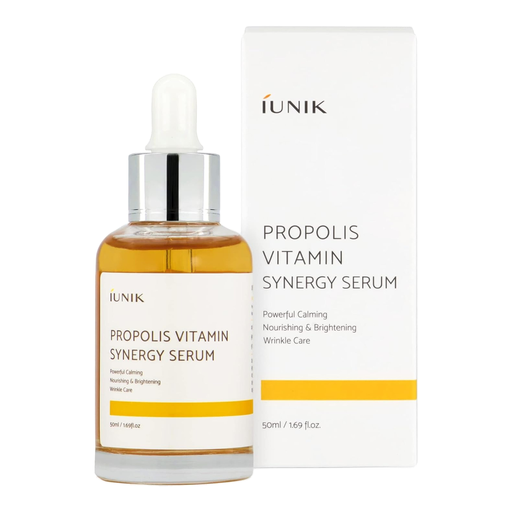
Why it suits this profile: According to the product description, the formula combines propolis extract, niacinamide, glycerine and sodium hyaluronate. It’s a practical choice if you’re looking for a Korean face serum with a nourishing, hydrating texture.
The ingredients list clearly shows which hydrating ingredients are included, so you don’t have to rely on terms such as “glow”. Check the current packaging for any changes.
50 ml; propolis extract, niacinamide, glycerine and hyaluronic acid according to the product information.
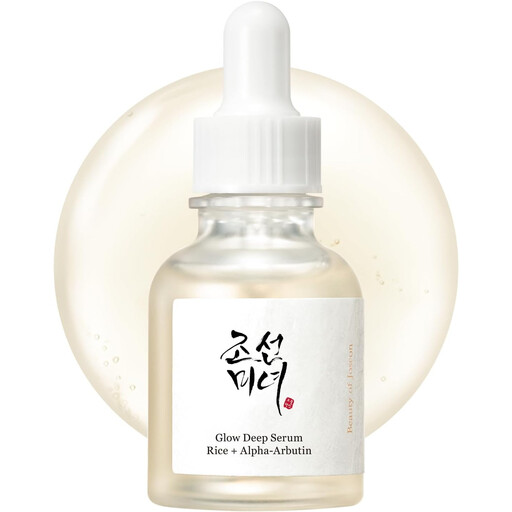
Why it suits this profile: According to the product information, this brightening serum contains 68,6% rice bran water, 2% alpha-arbutin and niacinamide. It’s a good fit if you’re looking for a lightweight formula for a dull or uneven-looking complexion.
The stated percentages give you more to go on than a general claim about radiant skin. Use the product as directed and pair it with sun protection during the day.
30 ml; fragrance- and alcohol-free according to the listed product details; alpha-arbutin and niacinamide.
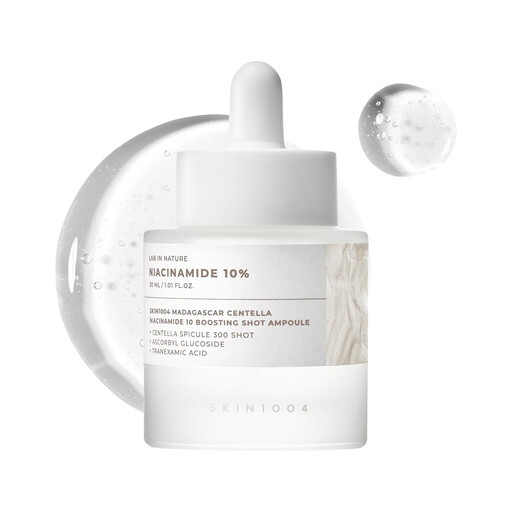
Why it suits this profile: According to the product description, this ampoule combines 10% niacinamide with tranexamic acid, a vitamin C derivative, Madagascar Centella and panthenol. It’s designed for users looking to target their complexion, pores and hydration.
The instructions recommend a patch test and starting with two to three applications a week. This helps you avoid adding too many active ingredients to your routine straight away.
10% niacinamide; tranexamic acid and Centella; lightweight ampoule texture according to the product information.
We’ve put together a complete, up-to-date list of products that meet these strict selection criteria and current European safety regulations.
When trying a new serum for sensitive skin, first apply a small amount to a limited area of skin. Stop using it if irritation persists and follow the warnings on the packaging. A serum for acne-prone skin is not a substitute for treatment from a doctor or dermatologist.
You’ll usually apply a serum after cleansing and before moisturiser. The exact order can vary from product to product. A vitamin C serum is often used in the morning, while some brightening formulas are recommended for evening use.
Check the best-before date, the period after opening and the instructions on the packaging. Close the bottle straight after use and store it somewhere cool and dry. It’s best not to use a formula that has changed colour, developed a different smell or altered in texture.
Sometimes, but start carefully. For example, don’t combine a vitamin C serum, exfoliant and spicule ampoule in the same routine straight away. Start with one main goal, such as hydration or a more even-looking complexion, and only add a second product later if your skin remains calm.
