
Vandaag of morgen in huis

Kwaliteit gegarandeerd

Welkomstaanbiedingen ontgrendelen: GRATIS bezorging | Tot 80% korting | Gratis 30 dagen JoyPlus-proefperiode
Download de app
A face serum can be a useful addition to your daily skincare routine, but not every product suits every skin type. Some serums feel pleasant to apply but contain few ingredients that match your specific goal. Others use phrases such as “intensive repair” or “visible results straight away” without clearly explaining what the formula actually contains.
For consumers in the Netherlands, three pitfalls are particularly relevant:
The result you want determines which type of serum makes sense:
Pay attention to the difference between a facial ampoule, essence and serum. These terms are not standardised everywhere. Look at the product’s purpose, texture, volume in millilitres and recommended use rather than relying on the name alone.
A long ingredients list does not automatically mean that a serum is a better match for you. Pay particular attention to:
A serum for dry skin generally works better as part of a routine when followed by a cream. This helps seal in the hydrating ingredients with a nourishing layer.
Do not start using several potent active products at the same time. Begin with one new face serum and observe how your skin responds. With a retinol serum, using it infrequently in the evening is a practical way to start. Avoid contact with the eyes and stop using it if you experience irritation, redness, a burning sensation or swelling. Consult a doctor or dermatologist if symptoms persist.
Use a sunscreen product during the day when your routine contains active ingredients. Always follow the label, as the recommended application may vary from one formula to another.
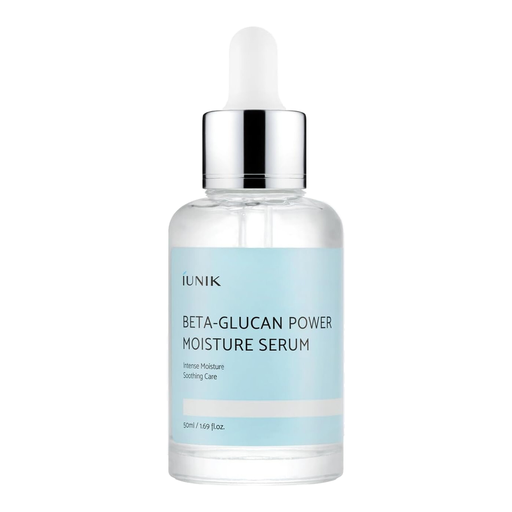
Why it suits this profile: With 50 ml of product and a straightforward focus on moisture, this is an accessible choice for anyone looking to add a hydrating serum to their routine.
The product information clearly states that it should be used after cleansing or toner. This makes it clear when and how much to apply.
Beta-glucan is central to the product description; 50 ml volume; suitable for use in the morning and evening according to the stated instructions.
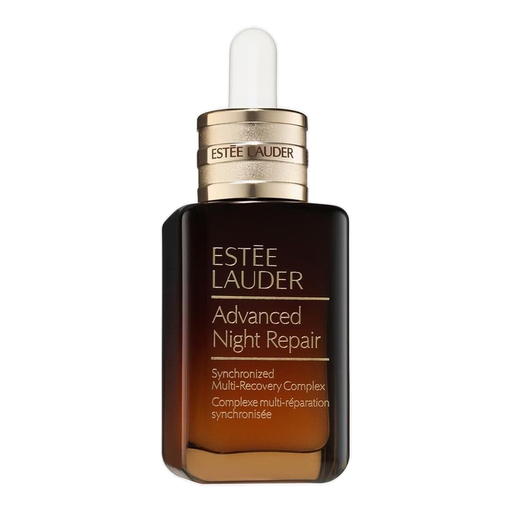
Why it suits this profile: If you value a well-known brand formula and a serum for both hydration and mature skin, this compact 30 ml version is worth considering.
The product page states the texture, 30 ml volume, fragrance-free formula and frequency of use. This offers more useful information than a general anti-ageing claim alone.
The product description mentions hyaluronic acid; oil-free and fragrance-free according to the product specifications; designed to hydrate and create a firmer-looking appearance.
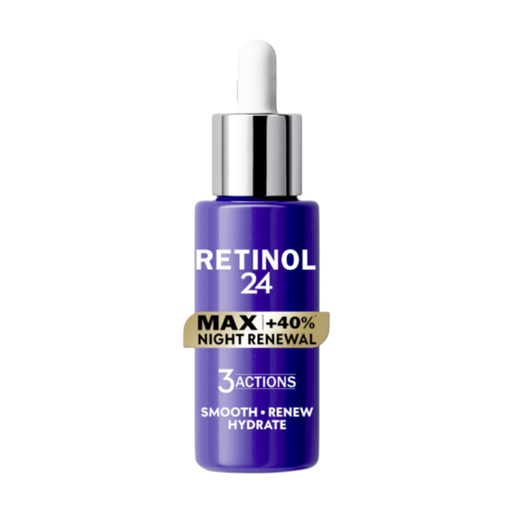
Why it suits this profile: This night serum is suitable for users specifically looking for a formula containing retinyl propionate and glycerine to hydrate and create a smoother-looking skin texture.
The product information makes it clear that this is a night serum and recommends using a day cream with SPF. This helps prevent incorrect use of a retinol-like formula.
40 ml volume; fragrance-free product specification; retinyl propionate and glycerine are included in the stated ingredients list.
Apply a serum after cleansing and, if desired, after toner. Usually, use a few drops on your face and neck, then apply a moisturiser. If you have dry skin, a serum often feels more comfortable when applied to slightly damp skin, followed by a cream. A hydrating serum can be used in the morning and evening when this is stated on the label.
A Korean skincare serum routine does not have to involve lots of steps. Cleansing, serum, moisturiser and sun protection during the day provide a straightforward foundation for many users. Introduce new products one at a time so you can see which ones suit you and which do not.
We have put together a complete, up-to-date list of products that fully meet these strict selection criteria and the applicable European safety regulations.
Not necessarily. A serum is usually an additional step with a lighter texture and a targeted selection of ingredients. If you mainly need basic skincare, a moisturiser may be enough. Add a serum when you are specifically looking for extra hydration, comfort or care for fine lines.
This varies from product to product. Check the shelf life and the symbol on the packaging, such as 12M, which means twelve months after opening. Keep the serum tightly closed, out of direct sunlight and according to the manufacturer’s instructions. If the smell, colour or texture changes noticeably, stop using it.
The price varies depending on the brand, volume and ingredients. Compare the price per millilitre and look at the formula rather than the packaging alone. A 50 ml bottle may offer better value per millilitre than a smaller version, while a compact 20 or 30 ml bottle can be useful for trying a product first.
