
Vandaag of morgen in huis

Kwaliteit gegarandeerd

Welkomstaanbiedingen ontgrendelen: GRATIS bezorging | Tot 80% korting | Gratis 30 dagen JoyPlus-proefperiode
Download de app
A face serum can be a simple addition to your daily routine, but the choice is vast. A hydrating serum, vitamin C serum and serum for sensitive skin don’t share the same formula or application. If you only focus on a striking promise or a popular ingredient, you could end up buying a product that doesn’t really suit your skin.
A product with a notable percentage of vitamin C, niacinamide or azelaic acid may look appealing, but the full formula matters just as much. The texture, pH level, combination with other active ingredients and frequency of use all determine how well a serum fits into your routine.
With a serum for redness or a formula for sensitive skin, it’s wise to build up gradually. A higher percentage isn’t automatically more suitable.
Words like “radiant”, “firming” or “anti-ageing” often describe a product’s aim, but they don’t guarantee a personal result. According to brands’ own product information, ingredients such as hyaluronic acid, panthenol, niacinamide or peptides can contribute to the desired care. That’s not a medical claim and it’s no guarantee for every user.
So look for verifiable information, such as:
A serum often contains humectant or active ingredients, but it doesn’t always lock in enough moisture. With a serum for dry skin, a moisturiser afterwards is usually practical. If you use a vitamin C serum, exfoliating formula or product with retinol during the day, follow the warnings on the packaging and use sun protection according to the product instructions.
First choose your goal, then the ingredient. This breakdown helps when comparing:
A Korean face serum often combines several of these ingredients in a lightweight gel or ampoule texture. Always check the current packaging, as ingredients can change.
For example, ANUA Azelaic Acid 10 Hyaluron Redness Soothing Serum states 10% azelaic acid. The instructions advise starting with one to two drops, once or twice a week, and gradually increasing the frequency. That’s relevant information for users with sensitive skin.
A vitamin C serum can also require a period of adjustment. Dear, Klairs Freshly Juiced Vitamin Drop lists 5% pure ascorbic acid and advises a smaller amount for sensitive skin. The formula also contains centella asiatica. Store such a product according to the packaging, because light and heat can affect the formula.
A 30 ml bottle is common for a serum, while The 6 Peptide Skin Booster contains 150 ml. A larger volume can be practical when you use a booster daily, but also pay attention to the recommended amount per application.
A pump bottle, like the one for Beauty of Joseon Revive Serum, limits direct contact with the formula. A pipette can be handy for drop-by-drop dosing, but requires careful closing and storage. Choose a gel, watery essence or slightly richer texture based on your routine and skin type.
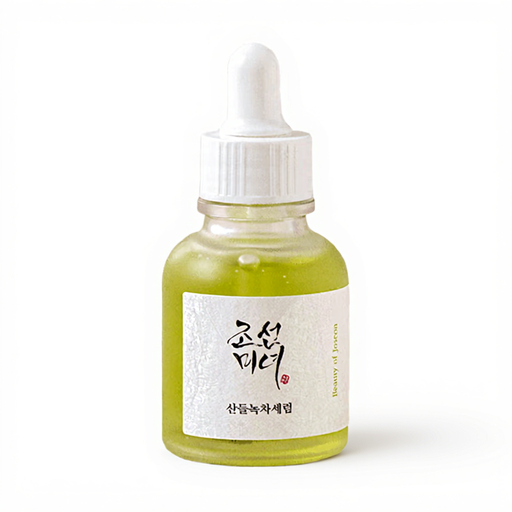
Why this fits the profile: A straightforward choice for anyone wanting to start with a lightweight formula that focuses on hydration and soothing.
The product information lists 5% panthenol, green tea water and a fragrance-free, alcohol-free formula. Check the packaging for the current composition.
30 ml, vegan according to the product listing and suitable for use after cleansing and toner.
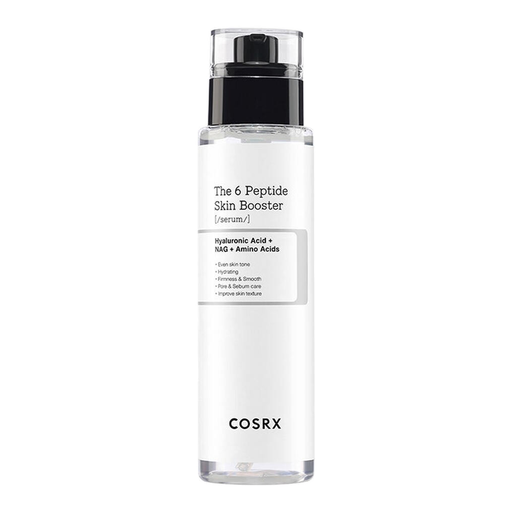
Why this fits the profile: Ideal for anyone looking for a large volume and multiple care functions in one lightweight booster.
The ingredients list includes six peptide components, niacinamide, glycerin and sodium hyaluronate. The product description presents this as a booster for hydration and skin care.
150 ml content and a watery formula that, according to the usage instructions, can be applied after toner.
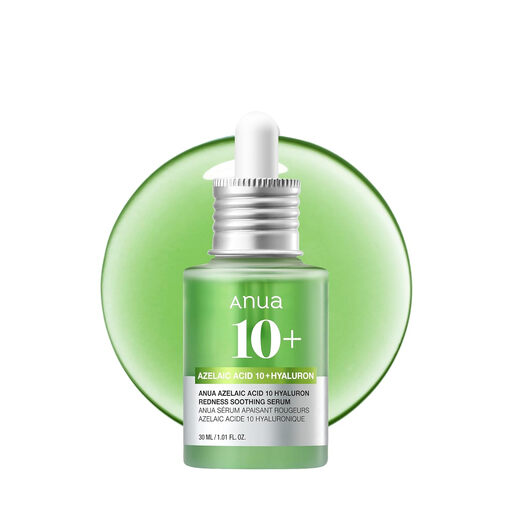
Why this fits the profile: For those who want to consciously incorporate a serum for redness with a clearly described active ingredient.
The instructions include a gradual build-up and warn of possible dryness or irritation. Patch testing and sun protection are explicitly mentioned.
10% azelaic acid, panthenol, sodium hyaluronate and ceramide NP are listed in the ingredients.
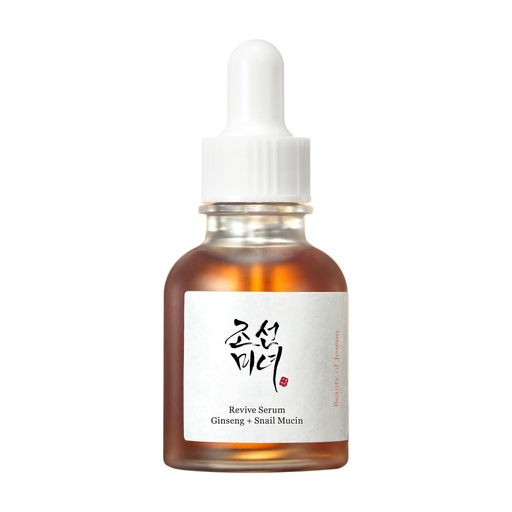
Why this fits the profile: A gel serum for anyone who wants to combine hydration with a cared-for, plumper-looking skin surface.
The formula lists 3% snail mucin filtrate, ginseng root water, glycerin and multiple forms of hyaluronic acid. The pump bottle helps with measured application.
30 ml, gel texture, centella asiatica and niacinamide in the ingredients list; according to the product listing, alcohol-free and vegan.
We’ve put together a full, up-to-date list of products that fully meet these strict selection criteria and comply with current European safety regulations.
Cleanse your face and use toner if you wish. Then apply the amount stated on the packaging, usually a few drops or one to two pumps. Gently spread the serum over your face and follow with a moisturiser. Introduce one new active serum at a time, so you can better assess your skin’s reaction.
Check the expiry date and the symbol for the period after opening, for example 6M or 12M. Store the product in a cool place and out of direct sunlight when that is recommended. A vitamin C serum can be especially sensitive to light and air; so follow the brand’s storage instructions.
Look for a simple formula without fragrance or essential oils if you want to avoid those ingredients. A serum with panthenol, centella asiatica or hyaluronic acid can be practical for hydration and comfort. Test a small amount first and stop if irritation persists. Always check the current ingredients list and warnings on the packaging.
