
Vandaag of morgen in huis

Kwaliteit gegarandeerd

Welkomstaanbiedingen ontgrendelen: GRATIS bezorging | Tot 80% korting | Gratis 30 dagen JoyPlus-proefperiode
Download de app
A face serum can be a useful addition to your daily skincare routine, but not every product suits every skin type. If you only go by terms like “glow”, “deep hydration” or “anti-aging”, you may end up paying for a formula that doesn’t match your actual needs. The right choice starts not with the packaging, but with your skin type, the ingredients and the instructions for use.
A product containing vitamin C, niacinamide or hyaluronic acid may look appealing, but the overall formulation determines how the serum feels and what it’s intended for. Also pay attention to the order of ingredients. Substances listed higher up are generally more prominent than those at the bottom.
A hyaluronic acid serum is primarily aimed at adding moisture to the skin, while a niacinamide serum is often chosen for a more even complexion and a more comfortable skin feel. That doesn’t automatically mean every product with these ingredients works the same way.
A brand claim is not a personal guarantee. According to the brand’s product information, a formula may be suitable for a certain skin type, but your skin can still react to, for example, fragrance, alcohol, acids, retinoids or a high concentration of active ingredients.
Always check the ingredients list and test a new serum for sensitive skin on a small area first. Stop using it if you experience persistent redness, itching, swelling or a burning sensation, and seek advice from a doctor or dermatologist if needed.
Vitamin C, retinal, azelaic acid, salicylic acid and exfoliating ingredients can each have a place in a routine. However, using several strong products at the same time makes it harder to determine what’s causing irritation. Start with one new serum and build up usage gradually according to the label.
A serum does not replace a moisturiser or sunscreen. Daily sun protection is especially important with products containing vitamin A or acid-based ingredients.
First, choose one main goal:
Product claims about reducing pigmentation spots, fine lines or acne should not be taken as guaranteed results. According to a brand’s own research, certain benefits may be claimed, but results vary from person to person and depend on your skincare routine.
A higher percentage is not automatically a better buy. A formula with 10% niacinamide or 10% azelaic acid may be too strong for some users. Alongside the percentage, look at the additional hydrating ingredients and the recommended build-up.
With retinal or retinol, extra caution is needed. These substances can increase sensitivity to sunlight. Preferably use the product according to the recommended evening routine and apply sunscreen during the day.
Don’t just compare the price of the bottle; also look at the volume in millilitres and the dosage per use. A pipette often dispenses a few drops, while a pump bottle can deliver a more consistent amount.
Check the expiry date, the batch number and the period after opening, for example 12M. Store a serum in a cool, dry place away from direct sunlight. Close the packaging properly after use to limit oxidation and contamination.
Also pay attention to the application. A hair product like Lucovitaal Hair Vitamin for Dry Hair - Leave-in Serum 25 Capsules is not a face serum. This leave-in product is intended for dry hair lengths and ends.
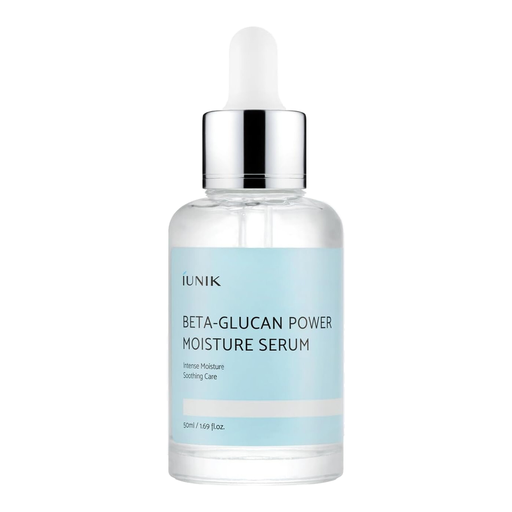
Why this fits the profile: A hydrating serum with a simple focus is practical if you don’t yet have an extensive routine and mainly want to tackle dryness.
The product information clearly focuses on moisturising care, without combining a long list of complex goals.
50 ml volume; beta-glucan as the central ingredient; intended for use after cleansing or toner.
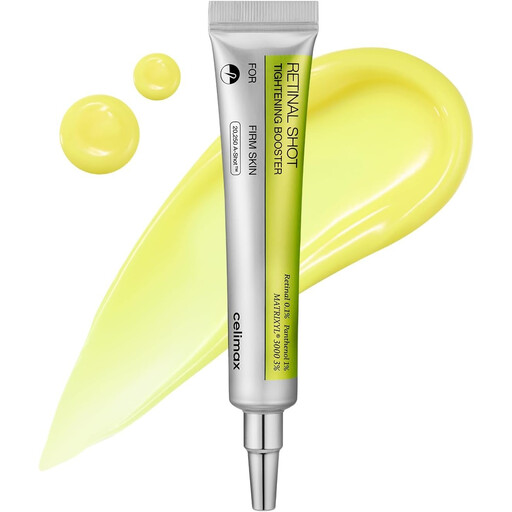
Why this fits the profile: This product is designed for users who consciously want to add a retinal formula to their evening routine and can gradually build up the frequency.
The instructions recommend starting every other evening, using a small amount and applying sunscreen the following morning.
0.1% retinal according to the product description; 15 ml; clear warning about sun sensitivity and irritation.
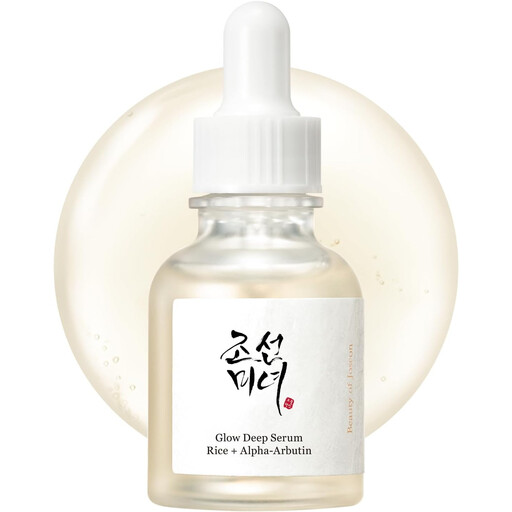
Why this fits the profile: The formula combines rice bran water, 2% alpha-arbutin and niacinamide for those mainly seeking a more even and hydrated complexion.
The product description lists the key percentages and advises using it with a moisturiser, making the choice easier to evaluate.
30 ml; 2% alpha-arbutin according to the product information; alcohol-free and fragrance-free according to the product specifications.
We’ve put together a full, up-to-date list of products that fully meet these strict selection criteria and comply with current European safety regulations.
That depends on the formula. A hydrating serum can often be used daily, in the morning and/or evening. Start with active ingredients such as retinal, azelaic acid or acids less frequently and follow the instructions on the packaging.
A 30 ml bottle can last from a few weeks to several months with daily use. This varies depending on dosage, packaging and frequency of use. Always check the expiry date and the indicated period after opening.
The price depends on the volume, ingredients, packaging and brand. Compare products by price per millilitre and see if the formula suits your skin needs. A more expensive serum is not automatically more suitable; a simple hydrating formula may be enough for your routine.
