
Vandaag of morgen in huis

Kwaliteit gegarandeerd

Welkomstaanbiedingen ontgrendelen: GRATIS bezorging | Tot 80% korting | Gratis 30 dagen JoyPlus-proefperiode
Download de app
A face serum can be a useful addition to your daily routine, but there’s a huge range to choose from. Hydrating serums, niacinamide serums, vitamin C serums and retinol serums all serve different purposes. If you choose based only on a bold promise on the packaging, you could end up paying for a product that isn’t right for your skin.
The most common pitfalls:
First, decide what you’d like to improve:
Always check the full ingredients list. Ingredients listed near the beginning are generally present in higher amounts than those near the end. However, you can’t always work out the exact concentration from the INCI list.
A 30 ml bottle is a common size for a face serum. A larger bottle, such as 100 or 150 ml, may offer better value if you use the product every day. A concentrated 15 ml retinal serum, on the other hand, may be designed for use in small amounts and less frequently.
Follow the instructions on the packaging. A serum is usually applied after cleansing and, if you use one, toner, followed by a moisturiser. Wear sunscreen during the day if the formula contains vitamin A, acids or certain brightening ingredients. With active formulas, start with a small amount and use them less frequently at first.
A light gel can feel comfortable on oily or combination skin. A serum containing oils or a richer lotion may be a better fit for dry skin. Fragrance-free options are often worth considering for sensitive skin, although “hypoallergenic” doesn’t mean a reaction is impossible.
Test a new formula on a small area of skin first. Stop using it if you experience persistent redness, itching, swelling or a burning sensation, and ask a doctor or dermatologist for advice if needed.
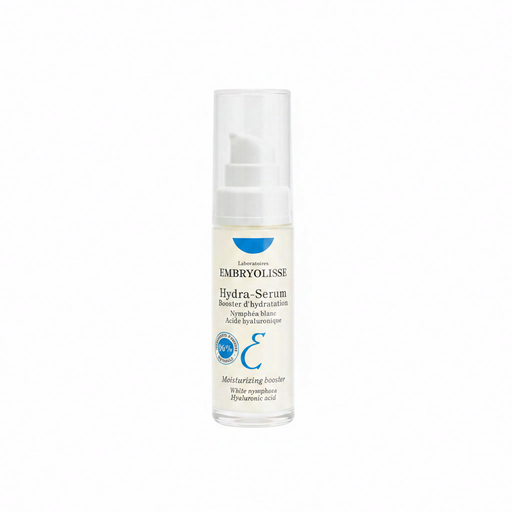
Why it suits this profile: Its light lotion texture and 30 ml size make it a straightforward starting point if you’re mainly looking for extra hydration.
The product information describes a clear, fast-absorbing formula with hyaluronic acid. Always check the latest ingredients list for fragrance and limonene.
30 ml, hyaluronic acid, glycerine and a light lotion formula; described as suitable for all skin types.
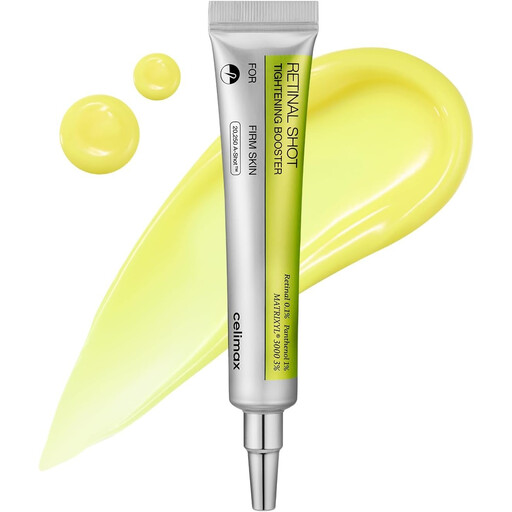
Why it suits this profile: This is aimed at users who want to use a retinal serum deliberately and can gradually build up how often they apply it.
The instructions recommend starting every other evening, using a small amount and applying sunscreen during the day. This helps you avoid increasing use too quickly.
15 ml, 0.1% retinal and 3% Matrixyl 3000 according to the product information; designed for night-time use.
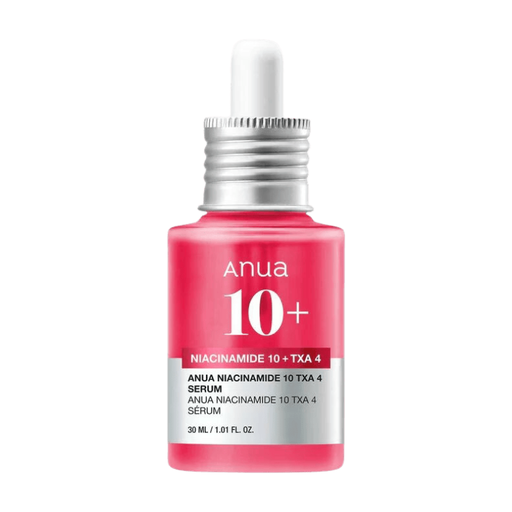
Why it suits this profile: A fragrance-free formula with niacinamide and tranexamic acid is a good match if you want to target dark spots and uneven skin tone.
The formula lists the concentrations of niacinamide and TXA and comes in a pump bottle. The product description says it’s fragrance-free; check the packaging when it arrives.
30 ml, 10% niacinamide, 4% tranexamic acid, hyaluronic acid and product information stating it’s fragrance-free.
We’ve put together a complete, up-to-date list of products that meet these strict selection criteria and current European safety regulations.
Cleanse your face, apply toner if you use one, then use a few drops or pumps of serum. Spread the product evenly over your skin and finish with a moisturiser. Wear sunscreen during the day if the product information recommends it. Don’t combine several potent active ingredients straight away.
That depends on the size and how much you use. A 30 ml bottle used daily, with a few drops at a time, will often last for several weeks to a few months. Store the product as directed, close the packaging properly and check the expiry date or period after opening.
Look for a short, straightforward ingredients list and consider a fragrance-free formula. A serum with hyaluronic acid, glycerine or panthenol is often a sensible place to start for hydration. Introduce retinal, retinol, acids and high concentrations of niacinamide gradually. Stop using the product if irritation occurs, and consult a doctor if symptoms persist.
