
Vandaag of morgen in huis

Kwaliteit gegarandeerd

Welkomstaanbiedingen ontgrendelen: GRATIS bezorging | Tot 80% korting | Gratis 30 dagen JoyPlus-proefperiode
Download de app
A face serum can be a simple addition to your routine, but the wide choice can make it hard to know where to start. K-beauty serums are often promoted with terms such as “glow”, “glass skin” and “intensive action”. On their own, these words tell you little about the formula, its concentration or whether it’s suitable for your skin.
So focus on the ingredients list, directions for use and warnings. This can help you avoid buying several active products at once or using a serum that isn’t a good match for sensitive or dry skin.
A lengthy INCI list doesn’t automatically mean a serum will do more for you. First, look for active ingredients that suit your needs. For example, a hydrating serum often contains glycerin, panthenol or hyaluronic acid. Serums for enlarged pores more commonly contain niacinamide, while serums for dark spots may contain ingredients such as alpha-arbutin, tranexamic acid or vitamin C.
Niacinamide, vitamin C, azelaic acid and retinol serums can each have a place in your routine. If you use several intensive formulas at once, it can be difficult to work out which product is causing a reaction. It’s better to start with one new serum and give your skin time to get used to it.
Claims about reducing redness, softening fine lines or evening out your complexion don’t guarantee a particular result. If a brand refers to research or clinical results, check who carried out the research, how many people took part and under what conditions. Results from a brand’s own research may also differ from your experience.
If you’re looking for a serum for sensitive skin, check whether the product contains fragrance, alcohol or exfoliating ingredients. “Hypoallergenic” doesn’t guarantee that no one will react, so it’s still sensible to do a patch test.
Use this practical guide:
A higher percentage isn’t always more practical. For example, the product information for a serum with 10% azelaic acid may recommend building up from once or twice a week to more frequent use. Retinol serums and retinal formulas are generally recommended for evening use, in small amounts and with gradual introduction.
Always follow the label. Stop using the product if irritation persists, and seek medical advice if you have a severe reaction. Cosmetics are for external use and aren’t a substitute for treatment of a skin condition.
A pump bottle limits contact with air and fingers. If you’re using a dropper bottle, good hygiene is important: don’t touch your skin directly with the pipette. Check the expiry date, batch information and period after opening on the packaging. Store the serum in a cool place away from direct sunlight if the label says to do so.
A 30 ml serum is compact and handy for daily use. If you want to use a basic formula more often or apply it to your face and neck, you could also consider a larger size.
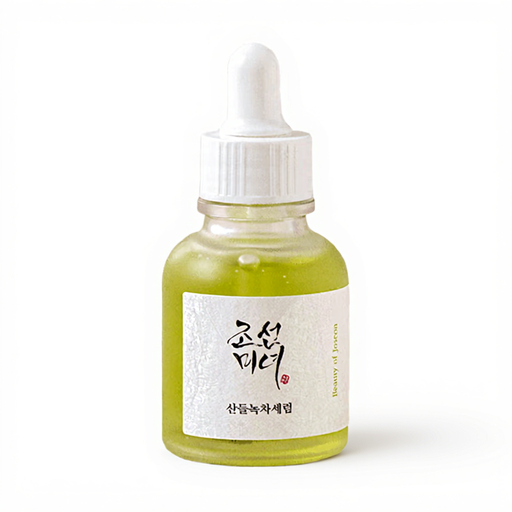
Why it suits this profile: A lightweight serum with a clear focus on hydration and comfort. According to the product information, the formula contains green tea water, panthenol and mugwort extract, and is fragrance-free.
The ingredients list doesn’t focus on several strong acids or retinoids at once. This makes it easier to assess the serum as a first step in a routine.
30 ml, lightweight texture and panthenol; according to the product details, it’s alcohol- and fragrance-free.
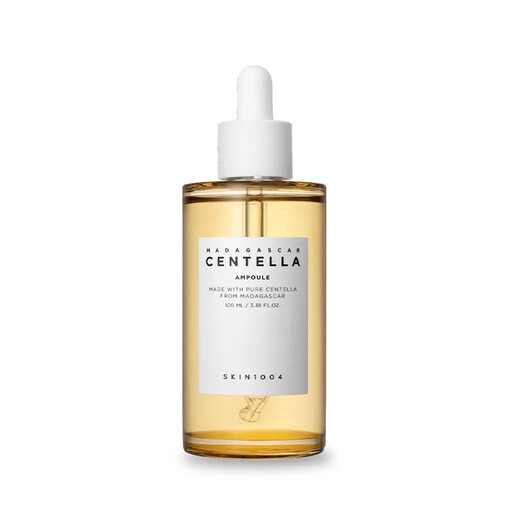
Why it suits this profile: The larger size is a good fit if you use a simple, soothing formula every day and don’t want to replace the bottle too often.
The product description lists 100% centella asiatica extract as the key ingredient. This makes the choice of formula clearer than with a product making lots of different active-ingredient claims.
100 ml and directions to apply 2 to 3 drops to the face and neck.
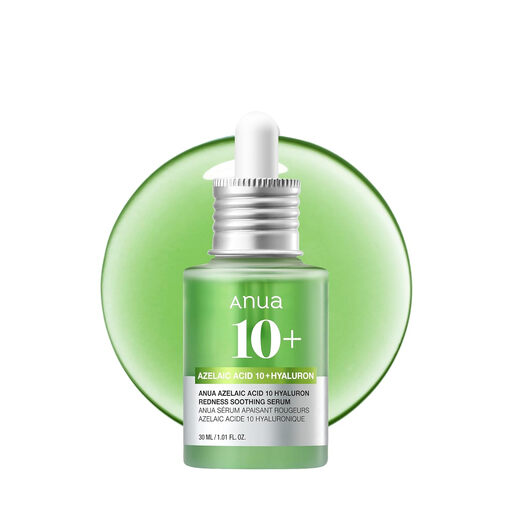
Why it suits this profile: For shoppers specifically looking for an azelaic acid serum for redness, blemishes or an uneven complexion, and who are happy to introduce it gradually.
The directions recommend a patch test, starting with 1 to 2 drops and gradually increasing the amount. This can help prevent overuse of an active formula.
10% azelaic acid, panthenol, hyaluronic acid and ceramide NP, according to the product information; SPF 30 or higher is recommended during the day.
We’ve put together a complete, up-to-date list of products that meet these strict selection criteria and current European safety regulations.
A vitamin C serum, retinol serum or serum for dark spots calls for extra care with sun protection. Use retinol or retinal as directed for evening use, and gradually build up how often you apply it.
Usually after cleansing and before moisturiser. The exact order may vary from product to product. A very runny booster is often applied straight after toner. Always check the directions for use.
This depends on the expiry date and the period after opening shown on the packaging. Close the bottle tightly, use clean hands and store the product as instructed. A change in smell, colour or texture may be a reason to stop using it.
The price depends on the size, ingredients, packaging and brand. So don’t just compare the price per bottle: check the number of millilitres and the recommended amount per use, too. In practice, a formula you can use consistently without irritation is often a wiser buy than an expensive product with more active ingredients than you need.
