
Vandaag of morgen in huis

Kwaliteit gegarandeerd

Welkomstaanbiedingen ontgrendelen: GRATIS bezorging | Tot 80% korting | Gratis 30 dagen JoyPlus-proefperiode
Download de app
Dark spots, post-acne marks and a dull complexion do not automatically call for the most expensive serum. The right choice depends on the ingredients, concentration, texture and your skin’s tolerance. A face serum for dark spots can form part of a daily routine, but marketing claims do not always tell the full story.
A 15% niacinamide serum may sound appealing, but a higher concentration can be less comfortable for some skin types than a more moderate formula. Sensitive or compromised skin, in particular, may react to several active ingredients used at once. So do not check only the percentage: review the full ingredient list and directions for use as well.
A vitamin C serum, tranexamic acid serum, azelaic acid serum and exfoliating acids may each have a place in a skincare routine. Using them all at once increases the risk of dryness, stinging or redness. Start with one serum and give your skin time to adjust.
Dark spots can become more visible after exposure to UV rays. A serum is therefore no substitute for sunscreen. During the day, use a product with suitable UV protection in accordance with the instructions on the packaging. This is particularly important when using serums containing vitamin C, acids or other active ingredients.
Choose your serum based on your primary skincare concern:
Please note: a brand’s product description is not independent proof of a guaranteed result. Keep your expectations realistic and always check the current ingredient list on the packaging.
A high percentage is relevant only if your skin tolerates the product well. If your skin is sensitive, it is often better to start with a simple formula free from fragrance and essential oils. Apply a small amount to a limited area of skin first. Discontinue use if irritation persists and follow the manufacturer’s safety instructions.
A lightweight gel texture is often well suited to oily or combination skin, while a milky or richer texture may feel more comfortable on dry or mature skin. Also consider the size: 9 ml is useful for trying out a formula, whereas 30 to 50 ml may be more practical for daily use. Store serums according to the label, especially formulas containing vitamin C.
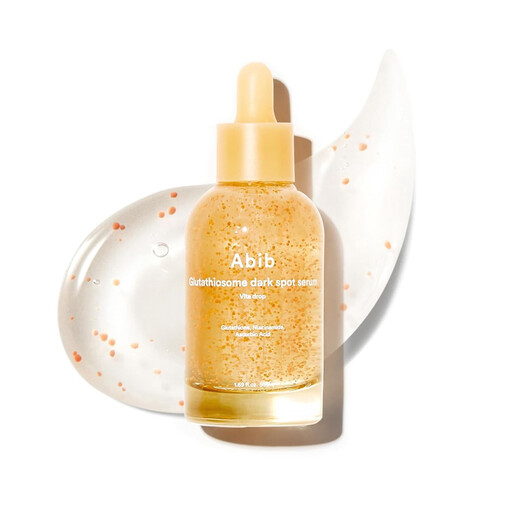
Why it suits this profile: The lightweight texture and 50 ml size are well suited to anyone looking to establish a daily routine without immediately buying several serums. According to the product description, the formula contains glutathione microbeads and hydrating ingredients.
The product information does not mention a complex combination of multiple acids. However, check the current ingredient list yourself and perform a patch test beforehand.
50 ml, a fast-absorbing texture and visible microbeads that, according to the description, dissolve upon application.
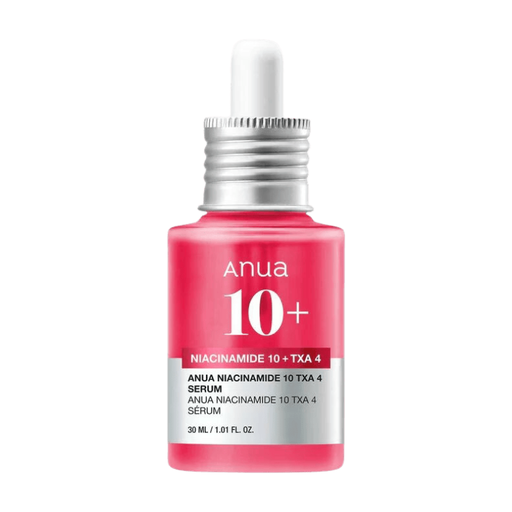
Why it suits this profile: According to the product information, this serum combines 10% niacinamide with 4% tranexamic acid and is formulated for an uneven-looking complexion, pigmentation and post-acne marks.
The percentages are clearly stated, making it easier to compare this product with another tranexamic acid serum rather than relying solely on the term “brightening”.
30 ml, fragrance-free product information and the addition of hyaluronic acid and ceramide according to the listed specifications.
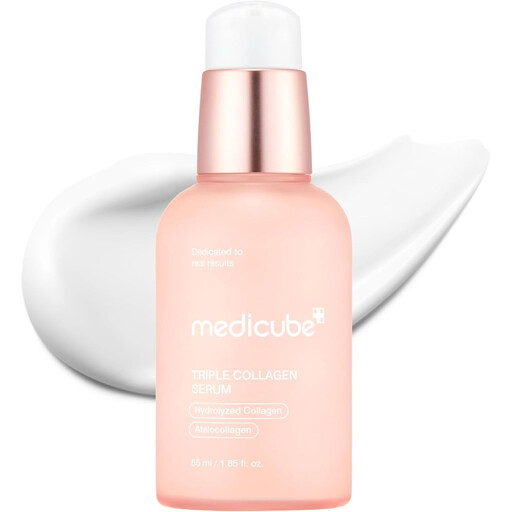
Why it suits this profile: Anyone looking for nourishment and hydration alongside a serum for a more even-looking complexion may wish to consider this Korean skincare formula. The product description lists three forms of collagen, niacinamide and hyaluronic acid.
The product choice is not based solely on “glow”, but also on specific ingredients and a 55 ml size. Consider your skin’s tolerance if you already use other active products.
55 ml and a combination of hydrating ingredients, including hyaluronic acid, according to the listed product specifications.
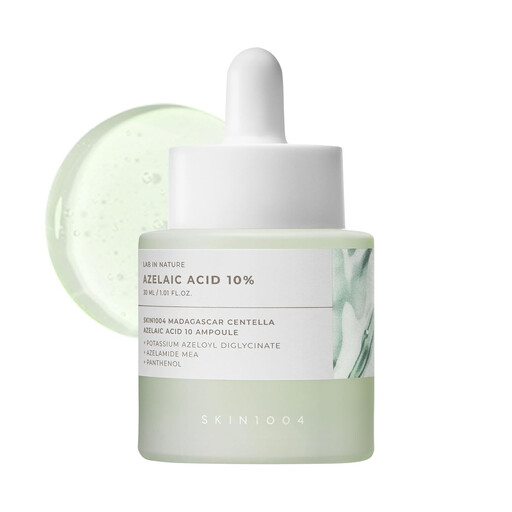
Why it suits this profile: The formula contains 10% azelaic acid and Centella Asiatica. According to the product description, the serum is intended for skin with blemishes, visible redness and post-blemish marks.
The directions recommend starting with every-other-day use. This helps prevent introducing too many active skincare products at once.
A niacinamide-free formula, lightweight hydration and a 30 ml size according to the product information.
Other relevant options include the Numbuzin No.5 Vitamin Concentrated Serum, with niacinamide, tranexamic acid and vitamin C derivatives, and the Beauty of Joseon Light On Serum: Centella + Vita C, with 3-O-ethyl ascorbic acid and hydrating ingredients. For oily skin with visible pores, the Niacinamide 15 Serum may be worth considering. Before buying, always compare the current packaging, shelf life and directions for use.
Browse a current selection of serums for protection, hydration and a radiant-looking complexion. Compare ingredients, size and skin type before making your choice.
That depends on the formula. A gentle hydrating face serum can often be used daily according to the label. With high-concentration niacinamide, azelaic acid, pure vitamin C or spicule products, it is best to introduce the product gradually. Do not use several new active serums at the same time.
This depends on the size and dosage. A 30 ml bottle will generally last longer with daily use than a 9 ml ampoule, although exact usage varies. Observe the expiry date and the period-after-opening symbol on the packaging. Store the product in a cool, dry place away from direct sunlight when recommended.
Look for a concise ingredient list, a fragrance-free formula and a low concentration or one that can be introduced gradually. The SKIN1004 Azelaic Acid 10% Ampoule lists a niacinamide-free formula with Centella Asiatica, while the ABIB serum is described as suitable for various skin types. No product is guaranteed to be problem-free for everyone, so a patch test remains advisable.
