
Vandaag of morgen in huis

Kwaliteit gegarandeerd

Welkomstaanbiedingen ontgrendelen: GRATIS bezorging | Tot 80% korting | Gratis 30 dagen JoyPlus-proefperiode
Download de app
Pigmentation, dark spots and a dull complexion won’t automatically disappear just because you choose a serum with “brightening” on the packaging. If you’re looking for a face serum for dark spots, it’s worth looking beyond eye-catching claims or a luxurious appearance.
The formula, concentration of active ingredients and directions for use all help determine whether a serum suits your skin and routine. Also consider the risk of irritation: a product containing several active ingredients isn’t always suitable for daily use or sensitive skin.
Vitamin C, niacinamide, alpha-arbutin, tranexamic acid and azelaic acid are often found in serums for a more even-looking complexion. However, more active ingredients don’t automatically mean a product is a better fit for your skin. For example, a combination of vitamin C, AHA, salicylic acid or other exfoliating ingredients may cause stinging more quickly if your skin is sensitive or damaged.
So, check the full ingredients list rather than just the name on the front of the packaging.
Brands may describe results such as brighter-looking skin, less visible dark spots or a more even complexion. For example, according to L’Oréal’s product description, some vitamin C serums are tested for results after a specific period of use. These are claims made by the brand under its own testing conditions, not a guarantee for every user.
So, think of a serum for hyperpigmentation as part of a consistent skincare routine, not a quick fix.
UV exposure can affect how visible dark spots are. For some formulas containing vitamin C, AHA, kojic acid or other active ingredients, product pages specifically recommend using sun protection every day. A serum without SPF is no substitute for sunscreen.
So, use a suitable SPF during the day and always follow the warnings on the label. Stop using the product if redness, itching or a burning sensation persists.
A percentage only tells you how much of an ingredient is in a product, not how your skin will react. A serum with 12% pure vitamin C, such as one of the L’Oréal products mentioned, calls for a different approach to use than a gentler serum containing a vitamin C derivative.
Also check the ingredient combinations. For some users, vitamin C combined with AHA or salicylic acid may be too intense, particularly if used at the same time as other exfoliants.
Most serums in this selection contain 30 ml; a few come in 40, 55 or 100 ml sizes. A small bottle may be a good choice if you want to try an ingredient first. Also check:
A dark or well-sealed bottle can be practical for light-sensitive formulas, but always follow the manufacturer’s instructions.
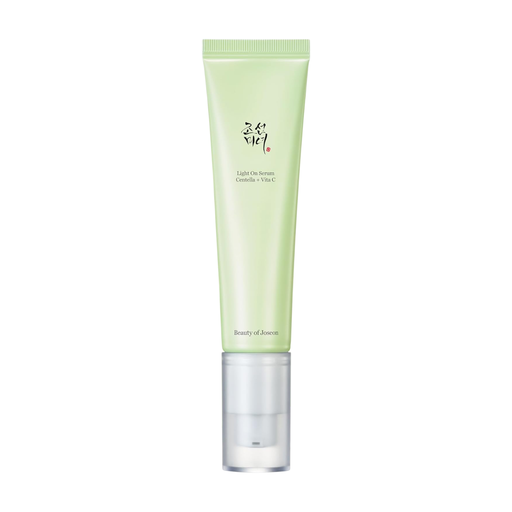
Why it suits this user: A lightweight 30 ml serum for anyone looking to build a simple Korean skincare routine with vitamin C and hydrating ingredients.
The product information lists a vitamin C derivative, centella, glycerine and hyaluronic acid. Check whether the alcohol in the formula suits your skin.
30 ml, lightweight texture, suitable for morning and evening use according to the product information, and designed to hydrate and brighten the complexion.
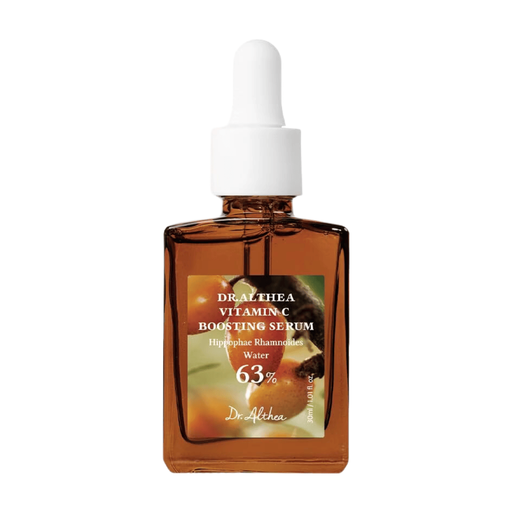
Why it suits this user: For anyone looking for several targeted ingredients in one hydrating formula, including niacinamide, tranexamic acid and alpha-arbutin.
The ingredients list is provided, so you can compare the combination with your existing routine and any known sensitivities.
30 ml, fragrance-free and colourant-free according to the product description, with hydrating ingredients such as glycerine and several forms of hyaluronic acid.
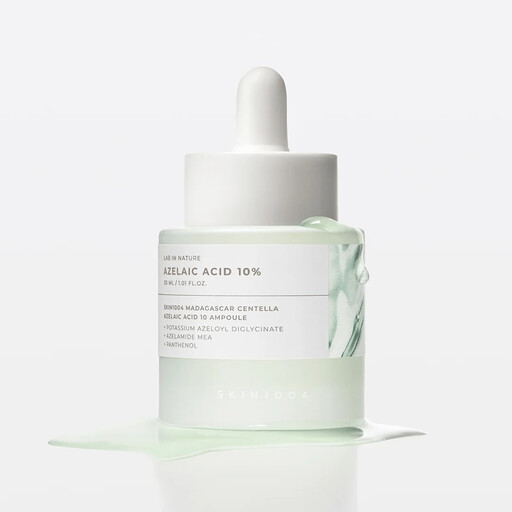
Why it suits this user: For anyone specifically looking for an azelaic acid serum for blemish-prone, redness-prone or uneven-looking skin, and willing to build up use gradually.
The product instructions recommend starting with use every other day. This helps reduce the risk of increasing use too quickly if you have sensitive skin.
10% azelaic acid, centella, panthenol and hyaluronic acid according to the ingredients list; the 9 ml size is practical for targeted use.
We’ve put together a complete, up-to-date list of products that meet these strict selection criteria and the current European safety regulations.
Don’t use a serum on damaged or irritated skin. If you have a history of sensitivity, testing it on a small area of skin is a sensible precaution.
It depends on your skin type and which ingredients you tolerate well. A vitamin C serum, niacinamide serum, alpha-arbutin serum or azelaic acid serum may suit different routines. Compare the ingredients list, concentration and warnings before choosing.
It depends on the formula. Hydrating serums can often be used in the morning and evening according to the product instructions, while products containing AHA, kojic acid, salicylic acid or a higher concentration of azelaic acid may need to be introduced gradually. Follow the label and stop using the product if irritation persists.
A 30 ml bottle can last from a few weeks to several months with daily use, depending on how many drops you use each time and whether you apply it all over your face or only to specific areas. Store the serum as directed and check its shelf life after opening.
