
Vandaag of morgen in huis

Kwaliteit gegarandeerd

Welkomstaanbiedingen ontgrendelen: GRATIS bezorging | Tot 80% korting | Gratis 30 dagen JoyPlus-proefperiode
Download de app
A face serum can be a targeted step between toner and moisturiser. However, an expensive bottle is not automatically suitable for your skin. The texture, active ingredients and directions for use all determine whether a serum fits comfortably into your routine.
For consumers in the Netherlands, there are several common pitfalls:
First, decide what you expect from a serum. A hydrating serum containing hyaluronic acid, glycerine, panthenol or beta-glucan may suit skin that feels tight or dry, for example. A niacinamide serum may be worth considering if your main concerns are an uneven complexion, shine or visible pores.
For pigmentation and a dull-looking complexion, you will often see a brightening serum containing ingredients such as alpha-arbutin, tranexamic acid, vitamin C or niacinamide. Product descriptions may refer to reducing dark spots. Treat this as information from the brand; results vary depending on your skin and how long you use the product.
A serum with azelaic acid is aimed at an uneven complexion and skin prone to blemishes. Start slowly with formulas containing active ingredients and follow the directions on the packaging. For mature skin, you may wish to look for peptides, bakuchiol or retinal. An anti-ageing serum will not permanently eliminate wrinkles, but according to the product description, it may help skin look smoother.
Check the full INCI list. Pay attention to:
A Korean face serum often contains several supportive ingredients, such as centella, ceramides, panthenol and hyaluronic acid. This fits within Korean skincare, but always look at the actual formulation rather than relying solely on the country of origin.
Apply a serum to cleansed skin, usually after toner and before moisturiser. During the day, use a sunscreen product when recommended in the product instructions, particularly with formulas containing vitamin C, retinal or exfoliating ingredients.
Introduce one new face serum at a time. If your skin is sensitive or prone to acne, first test a small amount on a limited area of skin. Stop using it if you experience persistent redness, itching, swelling or a burning sensation, and consult a doctor or pharmacist if you have any concerns. Do not use a serum on damaged skin if the packaging advises against it.
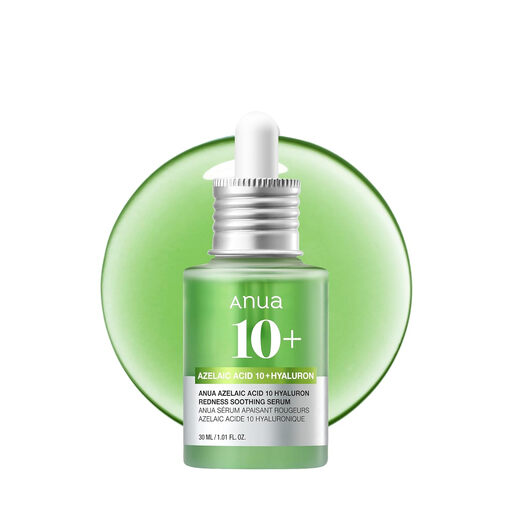
Why it suits this profile: According to the product information, this serum contains 10% azelaic acid, panthenol, hyaluronic acid and centella. That makes it relevant if you are specifically looking for a serum for acne-prone skin or visible redness.
The directions recommend starting with 1–2 drops once or twice a week, then gradually increasing use.
10% azelaic acid; contains panthenol, sodium hyaluronate and ceramide NP according to the listed ingredients.
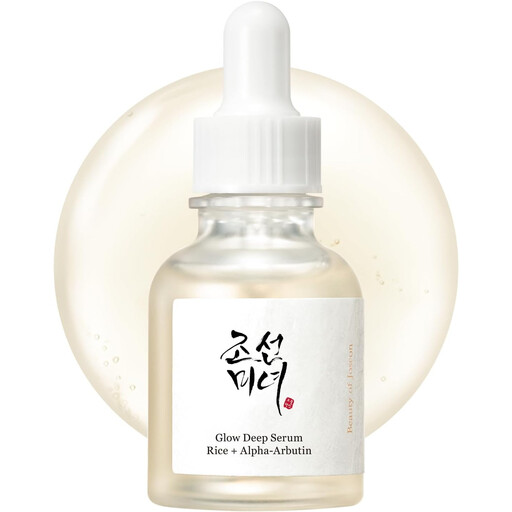
Why it suits this profile: The formula contains 68.6% rice bran water, 2% alpha-arbutin and niacinamide. It may suit anyone looking for a lightweight serum for a dull or uneven complexion.
The product information gives specific amounts of rice bran water and alpha-arbutin, making it easier to compare the formula.
30 ml content; fragrance-free and alcohol-free according to the stated product details.
We have put together a complete, up-to-date list of products that fully meet these strict selection criteria and the applicable European safety regulations.
Cleanse your face and apply toner if required. Then use a few drops of serum and gently pat it evenly into your skin. Finish with a moisturiser. When using active ingredients, always follow the brand’s specific instructions.
This depends on the amount, dosage and frequency of use. A 30 ml bottle will generally last less time with daily use than a 50 or 100 ml bottle. Check the shelf-life information on the packaging and store the product as instructed.
Sometimes, but it is better to start with one formula. Do not immediately combine several potent actives, such as retinal, vitamin C and azelaic acid. Add products one at a time and monitor how your skin reacts. During the day, use sun protection when recommended in the directions for use.
