
Vandaag of morgen in huis

Kwaliteit gegarandeerd

Welkomstaanbiedingen ontgrendelen: GRATIS bezorging | Tot 80% korting | Gratis 30 dagen JoyPlus-proefperiode
Download de app
A face serum can complement your skincare routine in a targeted way, but choosing the right one is not always straightforward. A hydrating serum, vitamin C serum, niacinamide serum or azelaic acid serum has a different formulation and may require a different approach to your routine.
Many UK consumers encounter the same issues: a serum feels sticky, irritates the skin or turns out after a few weeks not to suit their original skincare needs. With the right selection, you can avoid a disappointing purchase.
Words such as “glow”, “anti-ageing” or “booster” reveal little about the formula by themselves. Check the INCI list, the contents and the directions for use. A serum with niacinamide may also contain hydrating ingredients, for example, while a vitamin C serum requires extra care with storage and sun protection.
Combining a serum for pigmentation with a retinoid, an exfoliant and a strong vitamin C product can make your routine unnecessarily intense. Start with one main product and give your skin time to adjust. A patch test is particularly sensible if you have sensitive skin.
“Suitable for all skin types” is a product claim, not a guarantee for every user. Also consider fragrance, alcohol, oils, active acids and the texture. Dry skin often benefits from glycerine, panthenol, ceramides or hyaluronic acid. A lightweight gel texture may feel more comfortable on oily or blemish-prone skin.
Do not just look at the name on the packaging. Check where an ingredient appears in the ingredients list and whether its concentration is stated.
Claims about visible results come from brands or sellers and should not be viewed as a guaranteed effect. According to the product description, for example, the Vitamin C23 formula contains 23% ascorbic acid; this is a verifiable product specification, not a promise about the results.
A 15, 30, 50 or 150 ml bottle makes a difference to how long the product lasts and its price per millilitre. A dropper is useful for dispensing a few drops, while a pump bottle can help limit contact with the contents. Also check whether the product needs to be refrigerated. The Vitamin C23 serum description recommends refrigeration and use within two months of opening.
Check the packaging for ingredients, batch number, shelf-life information and the responsible person in the EU. Do not use a serum on damaged or sunburnt skin. Stop using it if you experience persistent redness, itching, swelling or a burning sensation, and seek medical advice if necessary.
For products containing azelaic acid, vitamin C, retinoids or exfoliating ingredients, using a sunscreen offering appropriate protection during the day is a sensible addition. The product information for the formulas mentioned also warns of possible sensitivity to sunlight.
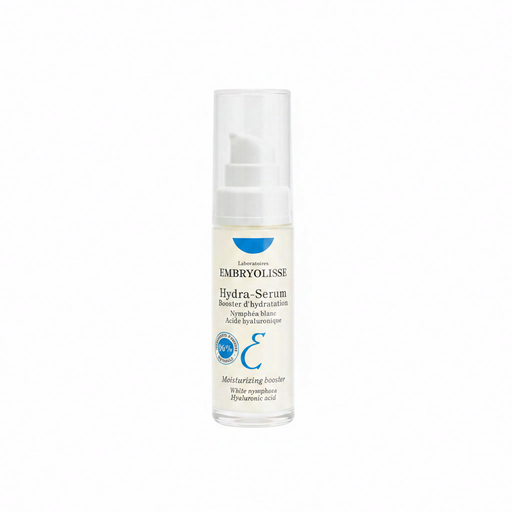
Why it suits this profile: The lightweight formula contains glycerine, sodium hyaluronate and white water lily extract. This makes it a straightforward choice for anyone primarily looking for hydration.
The product information states that it contains 30 ml, has a lightweight texture and should be applied in a few drops. This allows you to start in a targeted way without layering several active serums.
30 ml, hyaluronic acid in the ingredients list, alcohol-free according to the product specifications and intended for all skin types.
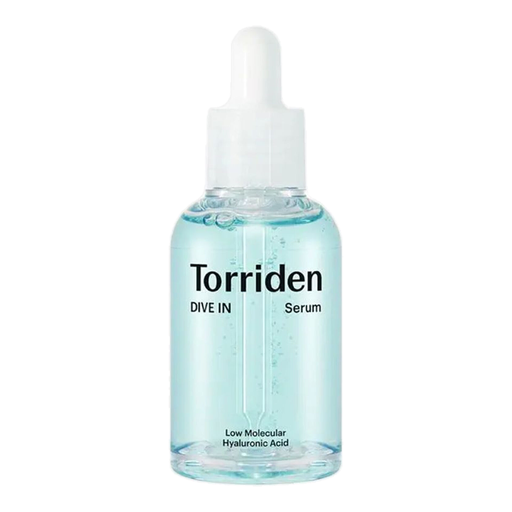
Why it suits this profile: Fans of Korean skincare get a serum with five forms of hyaluronic acid, complemented by panthenol, ceramide NP and beta-glucan.
The formula is clearly focused on hydration and, according to the product information, contains no fragrance. This makes the purpose of the formula easy to assess.
50 ml, five forms of hyaluronic acid, panthenol and ceramide NP; the product description states that the formula is fragrance-free.
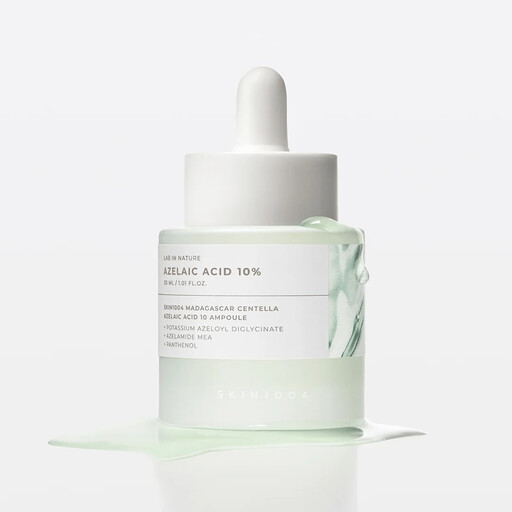
Why it suits this profile: This azelaic acid serum contains 10% azelaic acid and is intended for users who want to add a targeted step to their routine.
The directions recommend starting with a small amount every other day. This reduces the risk of increasing use too quickly.
10% azelaic acid, panthenol, allantoin and centella asiatica in the ingredients list; clear warnings against use on irritated skin.
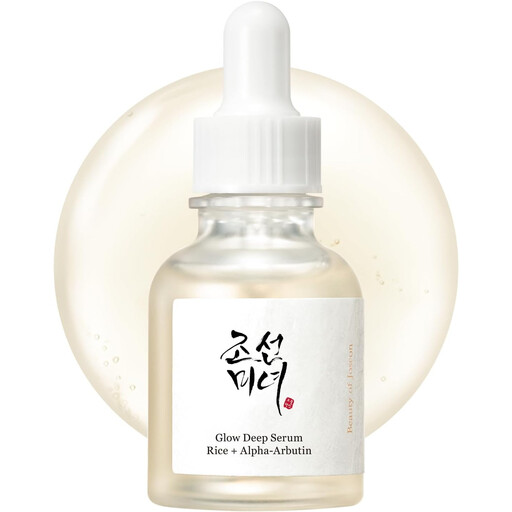
Why it suits this profile: According to the product information, the formula contains 68.6% rice bran water, 2% alpha-arbutin and niacinamide. This makes it suitable for a routine targeting a dull or uneven complexion.
The key active ingredients and the concentration of alpha-arbutin are stated. You therefore do not have to rely solely on the word “glow”.
30 ml, 2% alpha-arbutin, rice bran water and a fragrance-free product specification.
We have put together a complete, up-to-date list of products that fully meet these strict selection criteria and the applicable European safety requirements.
A Korean serum will generally fit into the same order. Do not immediately combine several serums containing powerful active ingredients. Also always check the current packaging, as ingredients and usage advice may change.
Choose a hydrating serum with ingredients such as glycerine, hyaluronic acid, panthenol, beta-glucan or ceramides. A serum is not a replacement for a moisturiser; apply a cream afterwards to help retain moisture more effectively.
Sometimes, but introduce the routine gradually. Check the active ingredients and avoid introducing several acids, retinoids or high concentrations at the same time. If skin problems persist, seeking medical advice is more sensible than continuing to add more products.
Follow the expiry date and the period after opening stated on the packaging. Store the serum according to the instructions and away from direct sunlight. Vitamin C serums can be particularly sensitive to light, heat and air; for Vitamin C23, the product information recommends refrigeration and use within two months of opening.
