
Vandaag of morgen in huis

Kwaliteit gegarandeerd

Welkomstaanbiedingen ontgrendelen: GRATIS bezorging | Tot 80% korting | Gratis 30 dagen JoyPlus-proefperiode
Download de app
A face serum can be a useful step between cleansing and moisturising. However, sometimes you are paying mainly for eye-catching packaging, a long ingredients list or promises that are not clearly substantiated. The right choice therefore starts not with the name “anti-ageing serum” or “Korean face serum”, but with your skin type, the result you want and the product information.
A serum containing lots of plant extracts or active ingredients may look appealing, but more ingredients do not automatically mean it will suit your skin better. Focus on which ingredients are relevant to your goal. For hydration, you will often see glycerine, hyaluronic acid and panthenol. With a retinol serum, the concentration, directions for use and warnings are more important than a long list of supporting extracts.
Terms such as “repairs”, “lifts”, “stimulates collagen” or “reduces wrinkles” regularly appear in product descriptions. A brand may mention such results based on its own research or marketing communications, but they are not guaranteed for every user. Consider a firming serum or anti-wrinkle serum as cosmetic skincare that may support the appearance of the skin, rather than as a medical treatment.
A 7 ml, 9 ml or 15 ml serum may be suitable as a targeted treatment, but it will run out sooner than a 30, 50 or 100 ml bottle. Texture also makes a difference. A lightweight face ampoule may feel comfortable under sun cream, while a richer serum for dry skin may be better suited to your evening routine. So compare the price per 10 ml, not just the price of the pack.
Start by choosing one main goal. A hydrating serum containing hyaluronic acid may be suitable if your skin feels tight or dry, for example. A formula with niacinamide or rice extract may appeal if you are looking for a more even-looking complexion. For sensitive skin, a short ingredients list, a fragrance-free formula and introducing the product gradually are practical considerations.
Bear in mind that “suitable for all skin types” is a general product description. Individual tolerance can vary. Test a new face serum on a small area of skin first and stop using it if irritation persists.
A pump bottle limits direct contact with the formula and can be practical for everyday use. A pipette gives you more control over the amount, but it is best not to touch the skin directly with it. Also check the shelf-life information, the period after opening and the storage advice on the packaging.
Apply a serum to cleansed skin, usually before moisturiser. Do not combine several strong active products straight away. This makes it easier to assess how your skin reacts to one new formula.
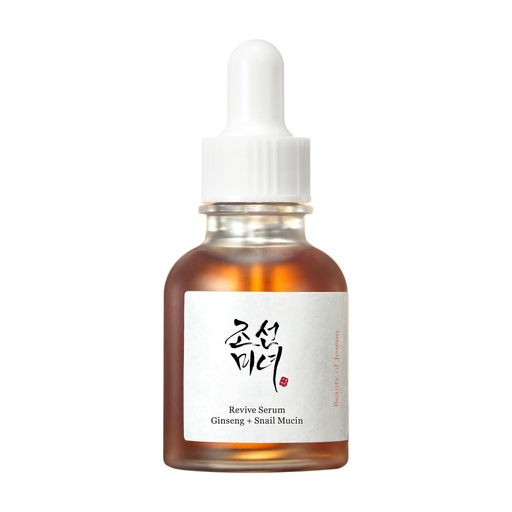
Why it suits this profile: The gel texture, pump bottle and 30 ml size make this a straightforward choice for anyone trying a Korean face serum for the first time.
The product information lists specific ingredients such as 3% snail mucin filtrate, ginseng water, glycerine and hyaluronic acid, rather than relying only on a general claim.
30 ml, gel texture, pump packaging and, according to the product specifications, alcohol-free, fragrance-free and vegan.
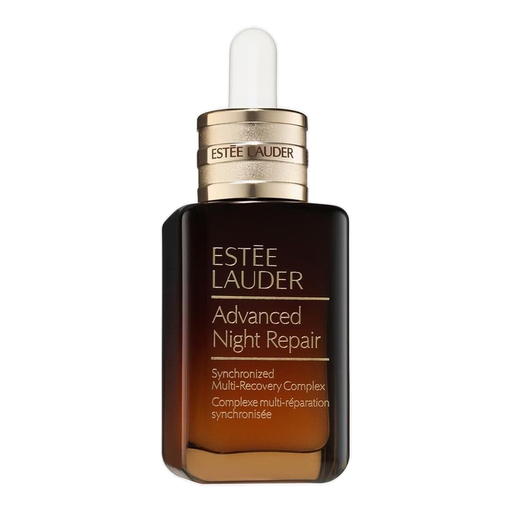
Why it suits this profile: If you are looking for a more luxurious anti-ageing serum with a well-known brand formula and directions for morning and evening use, this compact 30 ml version is worth considering.
The product page lists the texture, size, oil-free formula and fragrance-free specification. Claims about repair and visible improvement come from the brand description and are not guaranteed.
Hyaluronic acid in the ingredients list, a 30 ml size and, according to the specifications, suitable for all skin types.
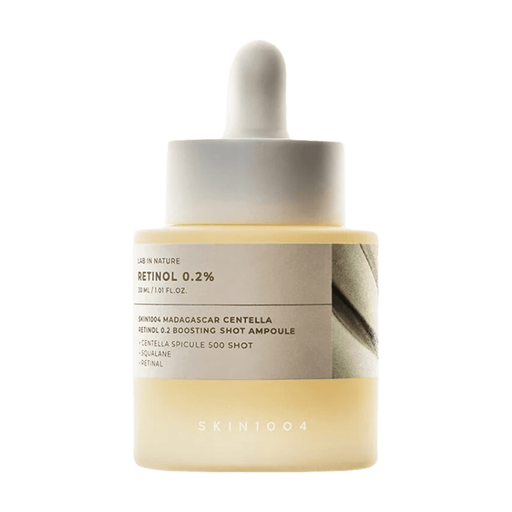
Why it suits this profile: This retinol serum is intended for users who want to gradually introduce a concentrated formula and can adjust how often they use it.
The packaging gives guidance on building up use gradually, carrying out a patch test and applying the product in the evening. Retinol and retinal can make the skin more sensitive to the sun, so sun protection and the warnings are important.
Contains retinol, retinal, squalane, panthenol and Centella Asiatica; the small size supports a targeted introduction.
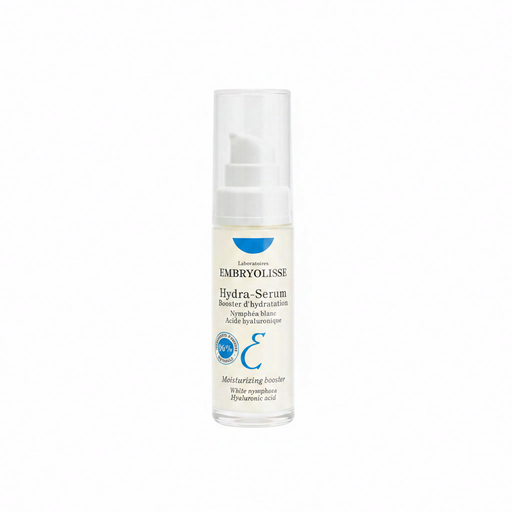
Why it suits this profile: According to the product information, the lightweight formula is intended for all skin types, including sensitive skin, and fits easily into a daily routine.
The key caring ingredients are clearly listed: glycerine, sodium hyaluronate and white water lily. However, check for fragrance and limonene if you are sensitive to these ingredients.
30 ml, lightweight lotion texture, hyaluronic acid and, according to the specifications, alcohol-free and non-comedogenic.
We have put together a complete, up-to-date list of products that fully meet these strict selection criteria and the applicable European safety regulations.
First cleanse your face, then apply a few drops or one or two pumps. Gently spread the serum over your face and, if desired, your neck. Finish with a moisturiser. Use sun protection during the day, especially when using a retinol serum or a formula containing exfoliating ingredients.
This depends on the size and how much you use. A 30 ml bottle will generally last longer with daily use than a 9 ml ampoule, but actual usage varies from person to person. Store the product according to the label, close the packaging securely and check the shelf-life information.
A hydrating serum containing glycerine, hyaluronic acid or panthenol is a logical starting point. If you have sensitive skin, avoid introducing several strong active ingredients at once. A fragrance-free option can make comparing products easier, but always check the full ingredients list yourself and stop using the product if irritation occurs.
