
Vandaag of morgen in huis

Kwaliteit gegarandeerd

Welkomstaanbiedingen ontgrendelen: GRATIS bezorging | Tot 80% korting | Gratis 30 dagen JoyPlus-proefperiode
Download de app
A face serum can be a practical addition to your daily skincare routine. Its lightweight texture often contains concentrated ingredients and can be applied under a cream or sun protection. However, not every serum is suitable for every purpose. If you focus only on terms such as “intensive”, “revolutionary” or “anti-ageing”, you can quickly end up paying for a formula that does not suit your skin.
A serum containing lots of active ingredients may seem appealing, but several powerful ingredients can also be difficult to combine. Retinol, retinal, vitamin C, niacinamide and acids each have their own usage guidance. For beginners, choosing one clear goal is often wiser than selecting a product that promises to do everything at once.
Also pay attention to where an ingredient appears in the ingredients list. The order gives an indication of the quantity, but it does not tell you everything about the formula’s eventual performance or stability.
Claims about less visible wrinkles, reduced pigmentation or younger-looking skin do not guarantee the same result for every user. According to NIVEA’s own research, for example, certain users may notice a difference in hydration or fine lines after the stated period. Such results depend on the test design, duration of use and condition of the skin.
Instead, focus mainly on verifiable information: the type of active ingredient, its concentration if stated, the volume, the intended area of application and the safety instructions.
A vitamin C serum or hydrating serum can be a good fit for a morning routine, but it does not replace sunscreen. Extra care is needed with retinol and retinal. These vitamin A derivatives can increase sensitivity to sunlight. Introduce them gradually and always follow the instructions on the packaging.
First, choose your main skincare goal:
An anti-ageing serum, wrinkle serum and face serum are not separate legal product categories. They are primarily commercial descriptions. So check what is actually in the bottle.
A percentage is only useful when you know which ingredient it refers to. For example, Neostrata states 0.3% pure retinol, while some other products do not list a concentration on the product page. Therefore, compare not only percentages, but also the formula and usage instructions.
Look out for:
Cosmetics sold in the EU are covered by European cosmetics regulations, including Regulation (EC) No 1223/2009. Nevertheless, always check the ingredients, warnings and manufacturer details on the packaging. A product labelled “dermatologically tested” is not automatically problem-free for every skin type.
Apply a serum after cleansing and, if applicable, toner, but before moisturiser. During the day, apply sun protection as the final step. When trying a new serum, start with a small amount and test it first on a small area of skin.
An eye serum is designed for the area around the eyes. This does not mean that every face serum is suitable for use there too. Avoid direct contact with the eyes and follow the manufacturer’s specific advice.
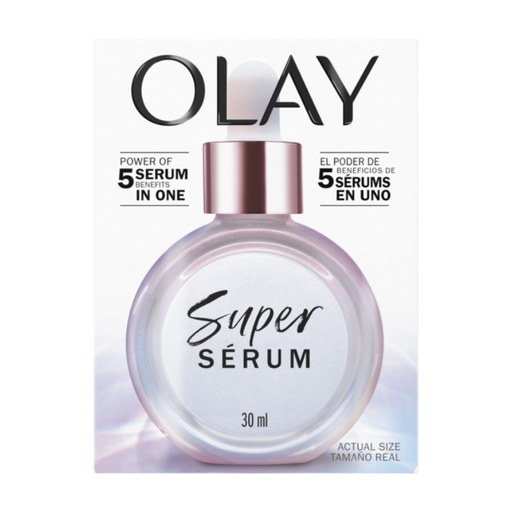
Why it suits this profile: The combination of vitamin C, niacinamide, collagen according to the product description and hydrating ingredients makes this an accessible choice for anyone looking for one serum to address several skincare goals.
The product description names specific ingredients and functions, so you are less reliant on general anti-ageing claims alone.
30 ml; lightweight texture according to the product information; vitamin C and niacinamide are explicitly listed.
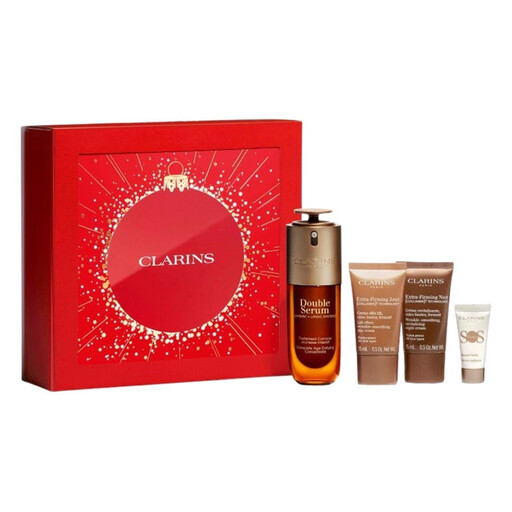
Why it suits this profile: This serum comes as part of a set and is intended for users who want to combine a skincare product from a luxury brand with additional routine products.
The set states the contents, skin type and 12-month shelf life after opening. However, always check the current packaging.
85 ml total volume according to the product details; 95% ingredients of natural origin according to Clarins.
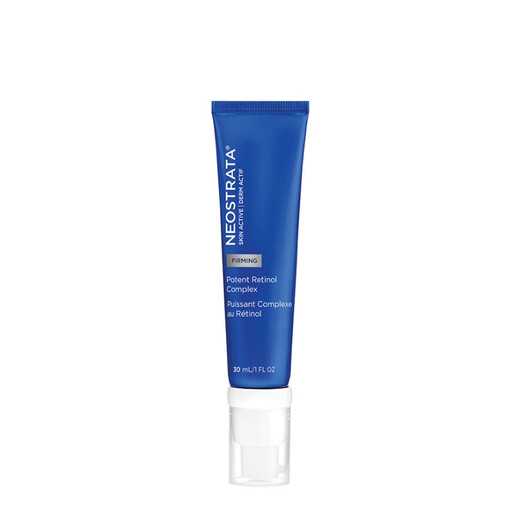
Why it suits this profile: This product is aimed at users who are deliberately looking for a retinol serum to target skin texture, fine lines and an uneven complexion.
The label states 0.3% retinol and advises starting once or twice a week. This makes the required adjustment period clear.
0.3% pure retinol; also contains niacinamide, hyaluronic acid and Centella Asiatica according to the product description.
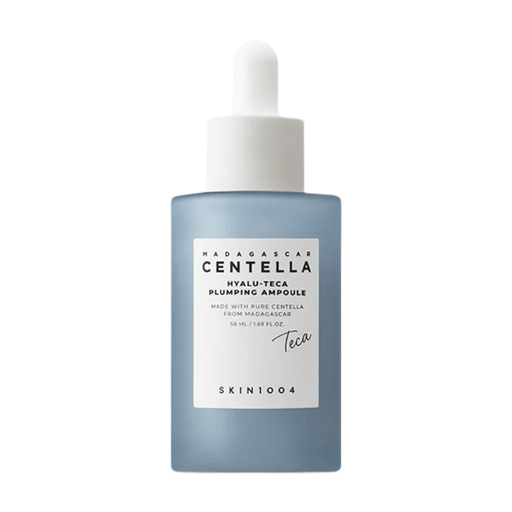
Why it suits this profile: The formula combines hydrating ingredients with Centella Asiatica and niacinamide, making it suitable for users looking for a serum to support hydration and the skin barrier.
The ingredients list can be checked and includes glycerine, sodium hyaluronate, niacinamide and ceramide NP, among others.
50 ml volume; glycerine, hyaluronic acid and niacinamide; suitable for use before moisturiser.
We have compiled a complete, up-to-date list of products that fully meet these strict selection criteria and the applicable European safety regulations.
Preferably use a retinol serum or retinal serum in the evening. According to the warnings on several of the products mentioned, products containing retinoids are not suitable during pregnancy or breastfeeding. If redness, itching or a burning sensation persists, stop using the product and seek medical advice.
This depends on the volume, dosage and frequency of use. A 30 ml bottle can last from several weeks to several months when used daily. Check the shelf life after opening and store the serum according to the label, away from direct sunlight and tightly closed.
Sometimes, but it is better to start with one serum. Do not combine retinol or retinal with other strong actives without careful consideration. A hydrating serum containing glycerine or hyaluronic acid is generally easier to combine, but always check the full ingredients list and directions for use.
Choose a short, straightforward formula with hydrating and soothing ingredients. Introduce the product gradually and carry out a patch test beforehand. Avoid trying a new retinol serum or vitamin C serum when your skin is already irritated.
