
Vandaag of morgen in huis

Kwaliteit gegarandeerd

Welkomstaanbiedingen ontgrendelen: GRATIS bezorging | Tot 80% korting | Gratis 30 dagen JoyPlus-proefperiode
Download de app
A face serum can be a useful step between cleansing and moisturising. But choosing one isn’t always straightforward. A lightweight gel, a hydrating serum with hyaluronic acid and a retinol serum all serve different purposes. If you choose based only on words such as “glow”, “lifting” or “deep repair”, you could easily end up with a product that doesn’t suit your skin or daily routine.
Terms such as “anti-wrinkle”, “firming” and “intensive repair” sound appealing, but tell you little without an ingredients list and instructions for use. Instead, look for specific details:
A brand’s claim about visible results is no guarantee of how your skin will respond. For example, a brand may refer to percentages or user feedback based on its own research. Treat this as brand communication, not as a promise of personal results.
A retinol serum or vitamin A serum needs more consideration than a simple hydrating serum. According to product information, retinol and retinal can increase sensitivity to sunlight. So start with a small amount and use it infrequently. Apply sunscreen during the day, and don’t automatically combine several potent active ingredients while you’re building up your routine.
A serum that feels heavy, heavily fragranced or sticky may end up unused in your cupboard after a few days. Check the formula:
Start by deciding which concern you want to address. For dehydrated skin, glycerin, panthenol and hyaluronic acid serum formulas are useful ingredients to compare. Hyaluronic acid comes in different forms and molecular sizes. An ingredients list tells you that it’s present, but not necessarily how much difference you’ll notice.
For a duller complexion, you could look at niacinamide, alpha-arbutin or vitamin C derivatives. A brightening serum with alpha-arbutin, such as Beauty of Joseon Glow Deep Serum, is described as helping to promote a more even-looking complexion. Use sun protection during the day too, particularly if pigmentation is a concern.
If you’re focusing on fine lines or skin texture, you could consider an anti-ageing serum, retinol serum or anti-wrinkle serum. Retinol, retinal and bakuchiol are different ingredients, each with its own recommended approach to use. A more complex formula isn’t automatically a better match.
Check whether the product is described as suitable for your skin type. “For all skin types” is a broad claim, but individual tolerance varies. Patch test new products and stop using them if you experience persistent redness, itching, swelling or a burning sensation.
Instructions for use are particularly important with retinol and retinal. For example, start by using the product twice a week, and only increase this if your skin tolerates it well. Don’t use a retinol product during pregnancy or while breastfeeding unless advised by a healthcare professional, as also stated in SKIN1004’s product warning.
Compare more than just the price of the bottle; check the amount too. A 7, 9 or 10.5 ml serum may be intended as a targeted course or an introduction to the product, while 30, 50 or 100 ml may be more suitable for daily use.
Check the packaging as well. Capsules can provide a set amount for each application. A pump bottle may limit contact with the product. If you’re using a pipette, good hygiene is important: don’t touch your skin with it. Always check the expiry information and the period after opening on the packaging.
The selection below is based on the stated size, ingredients, packaging, skin type and instructions for use. Any benefits mentioned reflect the product’s positioning or information in its description, rather than guaranteed personal results.
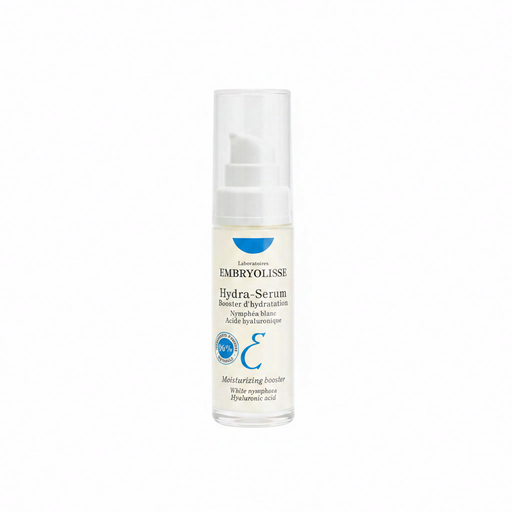
Why it suits this profile: Its lightweight lotion texture and focus on hydration make it a straightforward starting point for a daily routine.
The product information lists 30 ml, hyaluronic acid, quick absorption and suitability for all skin types. This lets you base your choice on practical features.
Hyaluronic acid, 30 ml, a lightweight lotion formula and, according to the product information, suitability for daily use.
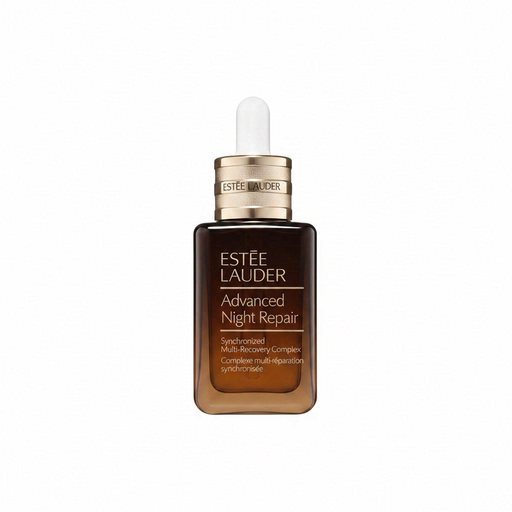
Why it suits this profile: According to the product description, this serum combines hydration and skincare with anti-ageing positioning, making it an option for anyone looking for one all-round product.
The ingredients list and 50 ml size are available, so you don’t have to base your choice on the brand name alone.
50 ml, bifida ferment lysate, sodium hyaluronate and, according to the description, use in the morning and evening.
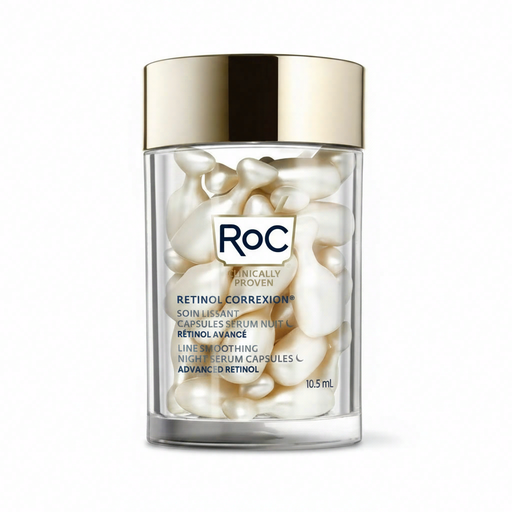
Why it suits this profile: The capsules provide a measured amount for each application, making them useful for anyone looking to work retinol into their evening routine in a targeted way.
The instructions recommend starting with use every other day. This helps beginners avoid applying a retinol serum every day from the outset.
Retinol in capsule form, 10,5 ml and a clear evening routine, with additional SPF during the day.
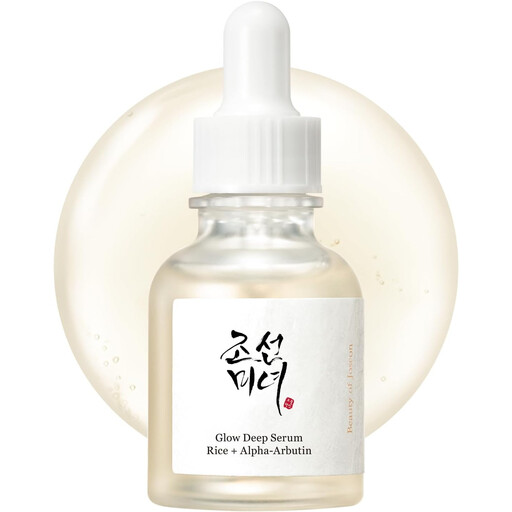
Why it suits this profile: According to its product description, this Korean skincare serum focuses on hydration and a more even, radiant-looking complexion.
The formula lists 2% alpha-arbutin, rice bran water and niacinamide, so you can compare what it’s designed to do by looking at its named ingredients.
30 ml, alcohol-free according to the product information, with a lightweight formula for dull or uneven-looking skin.
We’ve put together a full, up-to-date list of products that meet these strict selection criteria and the current European safety regulations.
It depends on the formula. A hydrating serum can often be used daily, as directed on the label. It’s best to introduce a retinol serum gradually: for example, start by using it twice a week in the evening, and only increase this if your skin tolerates it well.
Check the expiry date and the period after opening on the packaging. Store your serum somewhere cool and dry, away from direct sunlight. Always close a pipette or pump bottle securely. If the product changes in smell, colour or texture, stop using it.
The price depends on the brand, size, packaging and ingredients. So compare the price per millilitre and check whether the formula is suitable for daily use. A smaller retinol serum may be a good way to try one first, while a 30 to 50 ml hydrating serum is often more practical for a regular routine.
