
Vandaag of morgen in huis

Kwaliteit gegarandeerd

Welkomstaanbiedingen ontgrendelen: GRATIS bezorging | Tot 80% korting | Gratis 30 dagen JoyPlus-proefperiode
Download de app
A face serum can be a simple addition to your skincare routine, but there is a huge range to choose from. Hydrating serums, hyaluronic acid serums, Korean skincare serums, anti-ageing serums and serums for pigmentation: product names often sound promising, while the differences are not always immediately clear.
As a Joybuy Product Recommendation Officer, I therefore focus mainly on verifiable information: the ingredients list, the concentration of active ingredients, the directions for use and whether the product is suitable for your skin type. This helps you avoid paying for a striking claim that says little about everyday use.
A serum containing, for example, 10% niacinamide or azelaic acid may be appealing for a specific skin concern. However, a higher concentration is not automatically more comfortable for every skin type. If you have sensitive skin, introducing products gradually may be wiser than combining several active products every day.
Pay attention to the rest of the formula too. An azelaic acid serum may also contain panthenol, glycerine, centella or ceramides. These ingredients tell you more about the overall usage profile than a single percentage displayed on the front.
A hydrating serum helps your skin feel more moisturised, but it generally does not replace a moisturiser. Ingredients such as hyaluronic acid, beta-glucan and panthenol bind moisture to the skin. A cream can then help maintain skin comfort for longer.
According to some brands’ own research, one ingredient may retain a certain percentage more moisture than another. Treat such comparisons as brand claims, not as a universal guarantee for your skin.
A Korean skincare serum may combine several extracts and active ingredients. That can be appealing, but it makes checking the full INCI list even more important. Fragrances, alcohol, essential oils or exfoliating acids may be less suitable for some users.
Always check the current packaging. Manufacturers can change ingredients, and the product description may sometimes lag behind the latest packaging.
Are you mainly using your serum for:
According to ANUA’s product information, a product containing 10% azelaic acid should be introduced gradually: start once or twice a week and only increase use if your skin tolerates it well. This is practical information that matters more than a striking claim on the front of the packaging.
A peptide serum containing 10% Matrixyl, such as the SKIN1004 Matrixyl 10% Boosting Shot Ampoule, is also recommended in the product description to be introduced first with a patch test and a few applications per week. Do not use the product around the eyes if the instructions advise against it.
A gel serum feels different from a lotion or oily ampoule. Also check:
A hair serum for frizz should not be assessed in the same way as a face serum. A leave-in hair serum is generally applied to the lengths and ends and is not rinsed out. The formula may contain oils, silicones, perfume or a vitamin complex.
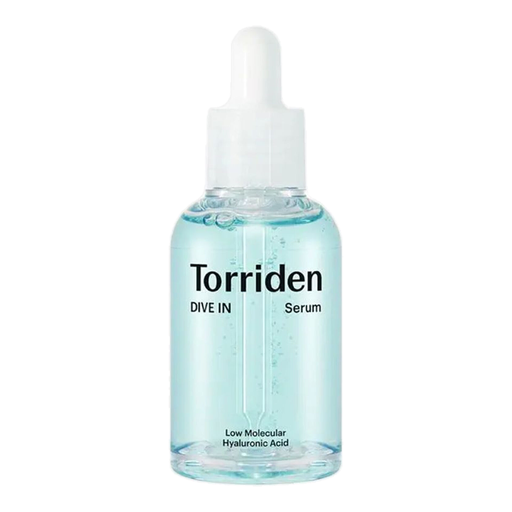
Why it suits this profile: The formula is designed for daily hydration and, according to the product information, contains five types of hyaluronic acid, panthenol, ceramide NP and beta-glucan. This makes it a straightforward choice for anyone mainly looking to tackle dryness.
The product description names specific supporting ingredients rather than making only a general claim about glow. The serum is also fragrance-free according to the listed product specifications.
50 ml size; combination of hyaluronic acid, panthenol and ceramide NP; listed as vegan and fragrance-free.
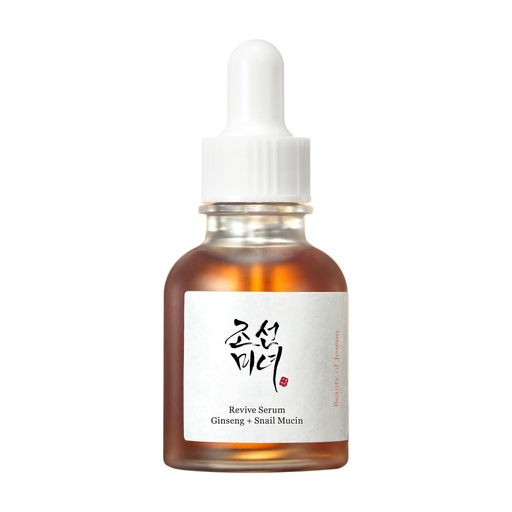
Why it suits this profile: According to the product information, this Korean skincare serum combines ginseng root water, 3% snail mucin, niacinamide, centella and hyaluronic acid. It is suitable for a routine designed for dry or tired-looking skin.
The full ingredients list is provided in the product information. This means you can check for yourself whether the formula suits your preferences and any sensitivities.
30 ml pump bottle; gel texture; listed as alcohol-free, vegan and suitable for dry, normal and combination skin.
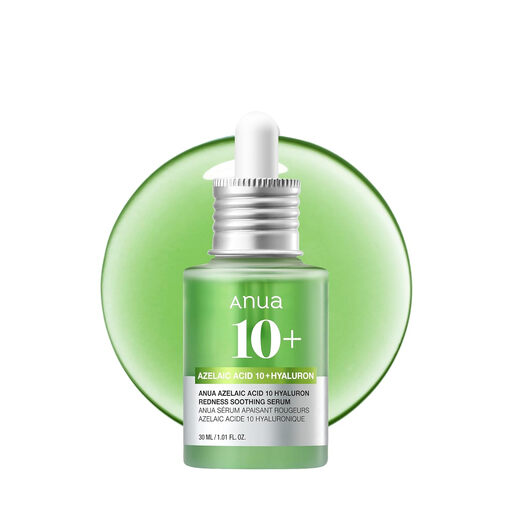
Why it suits this profile: If you are specifically looking for a serum for redness, visible blemishes or an unsettled-looking complexion, this formula contains 10% azelaic acid, panthenol, allantoin, hyaluronic acid and centella.
The directions recommend introducing it gradually, carrying out a patch test and using sun protection during the day. This helps prevent you from using an active formula too frequently from the outset.
10% azelaic acid; niacinamide-free formula; 30 ml; according to the ingredients list, contains panthenol, ceramide NP and sodium hyaluronate, among other ingredients.
For dry, curly, damaged or frizzy hair, a different type of product works better. Apply a leave-in hair serum to towel-dried or dry hair, mainly from the mid-lengths to the ends.
The Lucovitaal Leave-in Hair Serum and Vitamin comes in 25 twist-off softgels and, according to the product information, contains macadamia, camellia, coconut, argan and jojoba oils, among other ingredients. The product is designed to control frizz and provide softness and shine. If you prefer a formula with silicones and a peptide complex, take a look at the Peptide 132 Hair Bonding Oil Serum. According to the product description, this serum contains PEPTIDE-132, several plant oils and silicones for a smoother-looking finish.
When using hair oil, start with a small amount and only add more if the lengths need it. If you are using capsules, check the warning stating that they are not intended to be taken orally.
We have put together a complete, up-to-date list of products that fully meet these strict selection criteria and the applicable European safety regulations.
First cleanse your face and use toner if desired. Then apply a few drops of serum and gently pat it into the skin. Finish your routine with a moisturiser. Use sun protection during the day when recommended in the directions or when using exfoliating or highly active ingredients.
Check the expiry date and the symbol on the packaging, for example 12M. Keep the product closed, dry and out of direct sunlight. If the smell, colour or texture changes noticeably, stop using it and check the manufacturer’s instructions.
Sometimes, but introduce one new product at a time. At first, it is best not to combine azelaic acid, retinol, AHA, BHA and strong niacinamide formulas without following a gentle schedule. If you have sensitive skin, a simple hydrating base with panthenol or hyaluronic acid is often easier to manage. Stop using the products if irritation persists and seek advice from a doctor or pharmacist if necessary.
