
Vandaag of morgen in huis

Kwaliteit gegarandeerd

Welkomstaanbiedingen ontgrendelen: GRATIS bezorging | Tot 80% korting | Gratis 30 dagen JoyPlus-proefperiode
Download de app
A face serum can be a useful addition to your daily skincare routine. Its lightweight formula is usually applied after cleansing and before moisturiser. However, there is a huge choice available: from a hydrating serum with hyaluronic acid to an anti-ageing serum, a serum for redness or a Korean skincare serum with plant extracts.
A high price or a long ingredients list does not automatically mean that a product is right for your skin. Pay particular attention to the formula, directions for use and packaging.
Words such as “lifting”, “repair” and “rejuvenation” sound appealing, but they do not always describe a measurable result for every user. Based on a brand’s own research, certain visible effects may be claimed, but your experience may differ.
Instead, look for verifiable information:
For example, an anti-ageing serum may contain ingredients such as peptides, niacinamide or hyaluronic acid. That does not mean fine lines will disappear completely. The aim is more to make the skin look smoother, plumper or better hydrated.
A serum for pigmentation with alpha-arbutin or a serum for redness with azelaic acid may be worth considering as part of a specific routine. However, active ingredients can cause irritation, particularly when you introduce several new products at the same time.
Start with one new product and test it on a small area of skin first. Stop using it if you experience persistent redness, itching, swelling or a burning sensation. Use a formula with azelaic acid according to the instructions on the packaging, and do not forget to apply sun protection during the day.
A 100 ml bottle may seem better value than a 30 ml bottle, but the texture and recommended amount determine how long a product will last. A few drops of serum may be enough per application, while a lotion-like essence is applied more generously.
Also look out for:
For a serum for dry skin, glycerine, panthenol, ceramides and hyaluronic acid are useful ingredients to look out for. A hyaluronic acid serum helps retain moisture at the skin’s surface, but feels more comfortable when followed by a moisturiser that locks in hydration.
If you are looking for a serum for sensitive skin, consider a fragrance-free formula with soothing ingredients such as panthenol, centella asiatica, allantoin or beta-glucan. “Hypoallergenic” is not a guarantee that everyone will tolerate the product without problems. Always check the full ingredients list.
Peptides, adenosine and niacinamide are often used in a firming serum or serum for fine lines. Do not expect medical effects: this is cosmetic skincare designed to improve the appearance of the skin.
A watery essence usually absorbs quickly and works well under a moisturiser. A gel serum may leave a light film on the skin, while a formula containing oils or silicones may feel more comfortable on dry skin.
Apply a face serum after cleansing and toner in most cases. Use one to a few drops or one to two pumps, depending on the label. Allow the product to absorb briefly, then apply a moisturiser. During the day, sun protection should be part of your routine when using products that may make the skin more sensitive to sunlight.
A pump bottle limits direct contact with the contents and makes it easy to dispense the right amount. A pipette gives you control over the number of drops, but ideally avoid touching the skin with the pipette. Check that the size matches the product information. Many serums contain 30 ml; larger 50 or 100 ml sizes can be appealing if you use the product every day.
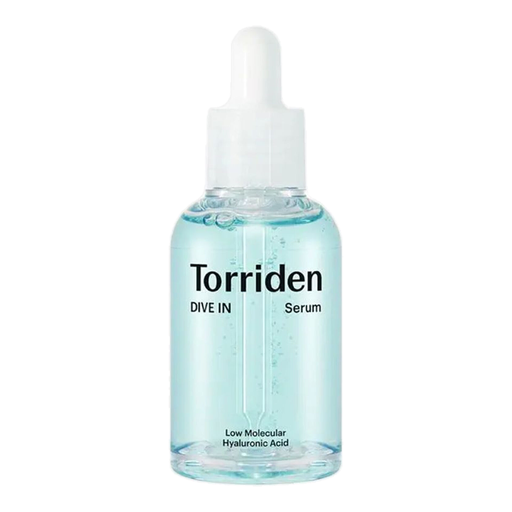
Why it suits this profile: An accessible choice for anyone mainly looking for hydration and wanting to try a fragrance-free, vegan formula.
The product information lists five types of hyaluronic acid and a 50 ml size, so you do not have to rely solely on vague claims.
50 ml, fragrance-free, vegan and containing panthenol, ceramide NP and beta-glucan, according to the product description.
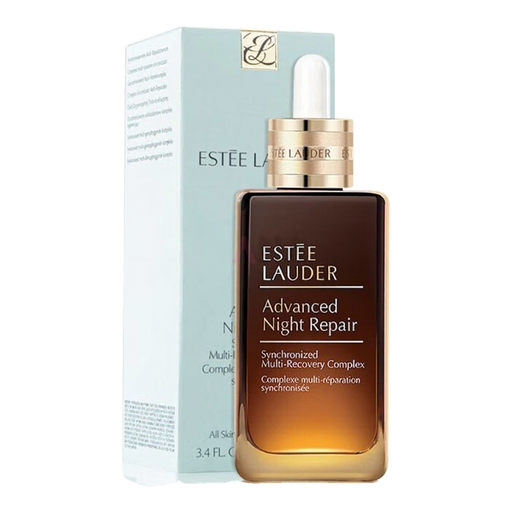
Why it suits this profile: Suitable for anyone looking for a larger size for daily use as part of an extensive routine.
The 100 ml size and stated oil-free formula make it easier to assess the price per millilitre and texture.
100 ml, suitable for all skin types according to the product details, and containing sodium hyaluronate, glycerine and peptide ingredients.
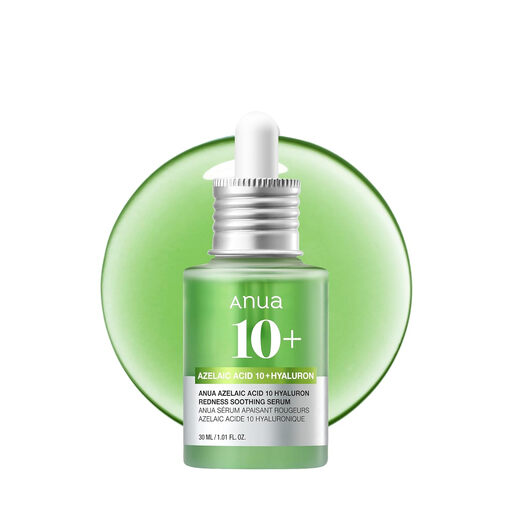
Why it suits this profile: For users who want to incorporate a serum for redness or an uneven-looking complexion into their routine in a targeted way.
The formula states that it contains 10% azelaic acid and provides a step-by-step usage schedule. This helps prevent you from using too much of an active formula straight away.
30 ml, containing panthenol, allantoin, niacinamide and sodium hyaluronate; according to the usage information, sun protection is required during the day.
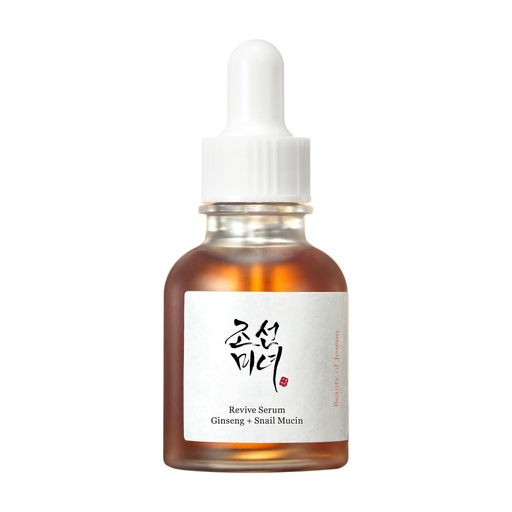
Why it suits this profile: A gel serum for anyone who wants to combine hydration and a comfortable skin feel with a Korean skincare routine.
The product details mention the gel texture, pump packaging, 30 ml size and a formula free from alcohol and parabens.
3% snail mucin filtrate according to the product description, along with ginseng, glycerine and several forms of hyaluronic acid.
We have put together a complete, up-to-date list of products that fully meet these strict selection criteria and the applicable European safety regulations.
Use a serum after cleansing and, if required, after toner. Apply a moisturiser afterwards. Always follow the label, particularly when using a formula with azelaic acid or other active ingredients. Sun protection may be needed during the day.
This depends on the size and dosage. A 30 ml bottle may last several weeks when used daily with a few drops per application. A 50 or 100 ml bottle is more practical if you apply the product generously or also use it on your neck. Check the shelf-life information on the packaging.
You can, but introduce new products one at a time. Do not combine several active formulas straight away. Start with a hydrating serum, then add a product for redness, pigmentation or fine lines later if your skin tolerates the first formula well.
