
Vandaag of morgen in huis

Kwaliteit gegarandeerd

Welkomstaanbiedingen ontgrendelen: GRATIS bezorging | Tot 80% korting | Gratis 30 dagen JoyPlus-proefperiode
Download de app
A face serum can be a useful extra step between cleansing and moisturising. However, it’s unwise to rely solely on terms like “glow”, “intensive” or “anti-ageing”. The right choice depends mainly on your skin’s needs, the ingredient list and how you plan to use the serum.
If you search online for a Korean face serum, a hydrating serum or a serum for pigmentation, you’ll quickly see dozens of similar products. Below are the key pitfalls and checkpoints, followed by product choices for different user profiles.
A product with 10% niacinamide or 23% vitamin C can look appealing, but a higher concentration doesn’t suit every skin. Especially with sensitive skin or if you’re just starting out, a strong formula can feel uncomfortable more quickly.
So pay attention to the full formulation. A niacinamide serum may also include hydrating ingredients, while a vitamin C serum can use different forms of vitamin C. The ingredient name doesn’t tell the whole story.
Check the ingredient list rather than only the front of the pack. The MEDICUBE PDRN Pink Peptide Serum, for example, lists fragrance in the ingredients, so it isn’t fragrance-free despite product information about a milder formula. With a serum for sensitive skin, a patch test is a wise idea.
Even natural extracts may not suit some users. Stop use if you experience redness, itching, swelling or a burning sensation, and follow the safety information on the packaging.
Combining an anti-redness serum, an exfoliant and a retinoid in the same routine can be unnecessarily complicated. Start with one new product and initially use a small amount. With active formulas such as azelaic acid or retinal, a gradual build-up matters.
Use sun protection during the day when the product label recommends it. A face serum does not replace sunscreen.
A watery formula often layers well under a day cream or sunscreen. A gel or lotion texture can be more comfortable for combination or oily skin. A richer formula may better suit dry skin, but it won’t feel comfortable for everyone.
If you want to avoid fragrance, you could consider Torriden DIVE IN, Dr. Althea Gentle Vitamin C Serum or Beauty of Joseon Glow Deep Serum. Always check the latest packaging, as ingredients can change.
Most serums in this selection contain 20 to 50 ml. According to many product instructions, a few drops per use are often enough, but the exact dosage differs per formula.
Pay extra attention to vitamin C and retinal. Vitamin C23 contains 23% ascorbic acid according to the product information and should be stored in the fridge after opening and preferably used within two months. Celimax The Vita-A Retinal Shot is intended for evening use according to the product information and requires a gradual build-up. Such storage and usage conditions are more important than a flashy marketing promise.
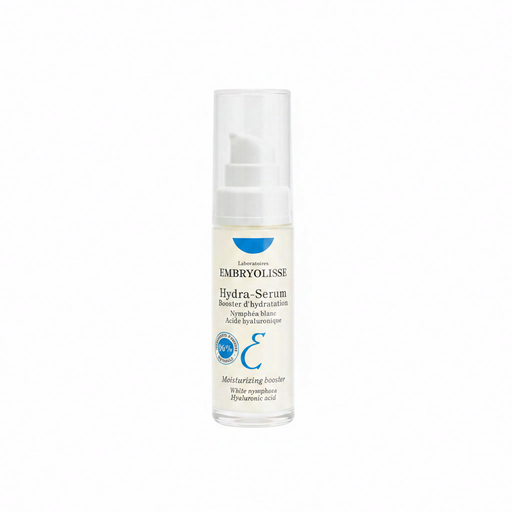
Why this suits the profile: A straightforward choice for anyone adding a hydrating serum for the first time and looking for a light, fast-absorbing texture.
The ingredient list is shorter than many multi-active serums. Note: the formula contains fragrance and limonene.
30 ml; hyaluronic acid, glycerine and white water lily; according to the product information, suitable for all skin types.
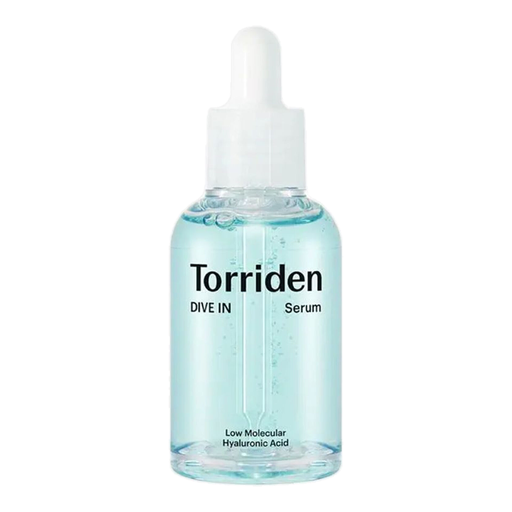
Why this suits the profile: Ideal for users seeking a fragrance-free, vegan formula with multiple hydrating components.
The product information explicitly states a fragrance-free formula, making this checkpoint clearer upfront.
50 ml; according to the product information, five types of hyaluronic acid, panthenol, ceramide NP and beta-glucan.
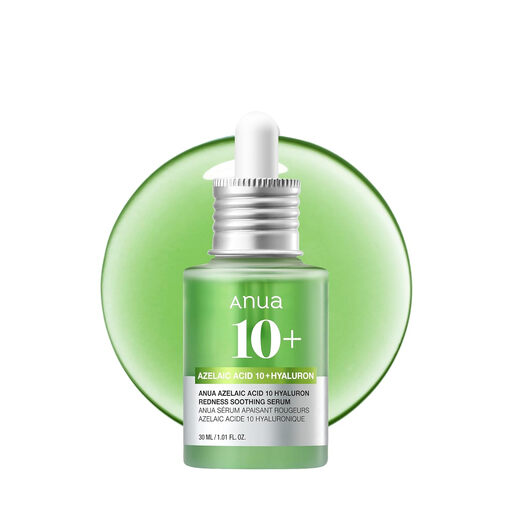
Why this suits the profile: Designed for users specifically seeking an anti-redness serum or a formula with 10% azelaic acid.
The instructions advise a gradual build-up, as dryness or flaking can occur. Sunscreen is recommended during the day.
30 ml; according to the ingredient list, contains panthenol, allantoin, sodium hyaluronate, niacinamide and ceramide NP.

Why this suits the profile: A vegan and fragrance-free option for those who want to try vitamin C with a light, watery texture.
The product description explicitly states no fragrances or colourants. If irritation occurs, always check the label and discontinue use.
30 ml; according to the product description, contains vitamin C, niacinamide, allantoin and sea buckthorn extract.
We’ve compiled a complete, up-to-date list of products that fully meet these strict selection criteria and comply with current European safety regulations.
You usually apply a serum after cleansing and before your moisturiser. Some active formulas are intended for the evening. Always follow the label, especially with vitamin C, azelaic acid and retinal.
That varies by product. Check the expiry date and the period after opening on the packaging. Store a vitamin C serum such as Vitamin C23 according to the stated storage instructions, as the formula can be sensitive to light, heat and air.
Not necessarily. Compare volume, dosage, shelf life and ingredients. A 30 ml bottle that only requires a few drops per use can last longer than a larger product that needs a lot each time. The right formula also helps prevent a product from being left unused.
