
Vandaag of morgen in huis

Kwaliteit gegarandeerd

Welkomstaanbiedingen ontgrendelen: GRATIS bezorging | Tot 80% korting | Gratis 30 dagen JoyPlus-proefperiode
Download de app
A face moisturiser might seem like a straightforward product, but the options vary enormously. A gel, lotion, emulsion and face cream can all hydrate, yet their texture and ingredients feel completely different. So the right choice depends on more than just the brand or a bold claim on the packaging.
Many shoppers fall into the same traps:
Texture largely determines how comfortable a face moisturiser feels to use every day.
A face lotion is usually thinner than a traditional face cream. An emulsion often sits somewhere between a lotion and a cream. That makes emulsions interesting if you want hydration without a heavy or sticky feel.
Glycerine, hyaluronic acid and sodium hyaluronate are commonly used to attract or retain moisture. A cream with hyaluronic acid can therefore be pleasant if your skin feels tight, but the overall formula and the amount of ingredients still matter.
For dry skin, dimethicone, petrolatum, squalane or plant oils can help to limit moisture loss. If you're looking to strengthen your skin barrier, look for ingredients such as ceramides, cholesterol and fatty acids.
If you want an anti-ageing day cream, check which active ingredients are actually listed. According to brands' own product information, ingredients like retinol-like compounds, peptides or hyaluronic acid can contribute to a smoother appearance. That is no guarantee of a medical or lasting effect. Also use a separate sunscreen or a day cream with a clearly stated SPF during the day.
A pleasant scent says nothing about whether a product is suitable for your skin. Fragrance and fragrance allergens such as limonene, linalool or geraniol are often listed separately in the ingredients list. For sensitive skin, a fragrance-free formula is usually a more logical choice.
Also pay attention to warnings. Products containing salicylic acid may have age restrictions or specific usage instructions. The current packaging is the definitive guide, because ingredients and packaging information can change between production batches. Stop using the product if you experience redness, itching, swelling or persistent irritation, and consult a doctor or dermatologist if needed.

Why it fits this profile: According to the product information, the gel-cream is fragrance-free, oil-free and suitable for multiple skin types. The texture suits users who want hydration without a classic, rich cream.
The product information explicitly mentions a fragrance-free and non-comedogenic formula. Nevertheless, check the current ingredients list at the time of purchase.
75 ml; gel-cream; according to the ingredients list, contains glycerine and sodium hyaluronate among others.
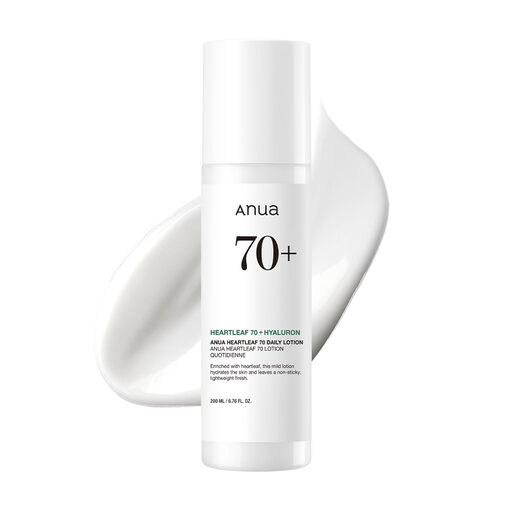
Why it fits this profile: The generous size and daily application suit anyone who uses facial skincare twice a day or wants a light base under make-up.
The product information states a formula without artificial colourants and fragrances. If irritation occurs, stop using it, as stated on the product information.
200 ml content; according to the ingredients list, contains glycerine and multiple forms of hyaluronic acid.
We've put together a full, up-to-date list of products that fully meet these strict selection criteria and comply with current European safety regulations.
Most moisturisers can be applied after cleansing in the morning and evening. Use a small amount on slightly damp skin and spread the product evenly over your face and neck. Always follow the specific usage instructions on the packaging.
Check the expiry date or the symbol showing the period after opening on the packaging. Store the product in a cool, dry place away from direct sunlight. A change in smell, colour or texture may be a reason to stop using the product.
A light face lotion, emulsion or gel-cream usually absorbs more quickly than a rich face cream. Wait a few minutes before applying make-up. For dry skin, using a hydrating serum first and then a thin layer of moisturiser can feel more comfortable.
