
Vandaag of morgen in huis

Kwaliteit gegarandeerd

Welkomstaanbiedingen ontgrendelen: GRATIS bezorging | Tot 80% korting | Gratis 30 dagen JoyPlus-proefperiode
Download de app
A face mask can be a practical addition to your skincare routine, but there is a lot of choice. A sheet mask, hydrogel mask, eye mask or overnight mask differs not only in texture and wear time. The ingredients, amount of essence, fit and packaging also determine whether a product suits your routine.
Marketing claims can sometimes make the choice more difficult. Words such as “glow”, “firming” and “anti-ageing” say little about the formula on their own. Instead, focus mainly on the ingredients list, usage instructions and number of masks per pack.
A collagen mask, niacinamide mask or hyaluronic acid mask may sound appealing, but its performance depends on the complete formula and how you use the product. Brands often describe their benefits based on their own research or user reviews. According to the brand’s own research, for example, participants reported increased hydration or elasticity after using certain hydrogel masks. This is not a guarantee for every user.
It is therefore better to treat these claims as product information rather than certainty. Above all, expect a mask to leave your skin feeling temporarily comfortable, hydrated or cared for.
A classic sheet mask is usually intended to be worn for around 10 to 20 minutes. If you leave the sheet on until it has completely dried, it may actually start to feel uncomfortable. A hydrogel mask or overnight mask may have different instructions. According to the product descriptions, some and Biodance masks can be left on for two to three hours or overnight.
Always follow the label. A mask designed for short-term use is not automatically suitable for use overnight.
Compare the number of pieces, amount of essence and shelf life. A tub containing 30 daily masks is convenient if you use masks regularly, while a box of four more intensive masks may suit a weekly routine better. If the pack has been opened, also check that it closes securely so the sheets do not dry out.
For dry skin, moisturising ingredients such as glycerine, panthenol, ceramides and hyaluronic acid are useful points to consider. A hydrating face mask containing several humectants can feel pleasant when your skin feels tight.
For sensitive skin, a short ingredients list is not necessarily better, but it can make potential concerns easier to identify. Fragrances, essential oils, retinol and acids may be less suitable for some users. You should therefore patch-test a face mask for sensitive skin on a small area first. Stop using it if you experience redness, swelling, itching or a burning sensation.
Niacinamide is found in a range of formulas. A niacinamide mask may suit anyone looking for a more even-looking complexion, while a collagen mask is often chosen for a cared-for, supple skin feel. Treat terms such as “brightening” or “anti-ageing face mask” as descriptions of the formula’s intended purpose, not as medical claims.
A 3D sheet mask is pre-shaped and may fit more closely around the nose, jawline and chin than a flat sheet mask. According to the product information, the Hadabisei 3D masks contain 30 ml of essence per mask and are supplied in packs of four.
A hydrogel mask generally feels heavier and fits closely against the skin. This can be useful if you want the mask to move as little as possible while you are wearing it. With an eye mask, the shape is particularly important: check whether the product can be placed under the eyes or also around the outer corners. Avoid contact with the eyes.
Cleanse your face and follow the order shown on the packaging. Many masks are used after cleansing and toner. Apply an overnight mask as the final step in your routine, unless the manufacturer provides different instructions.
Also bear the following in mind:
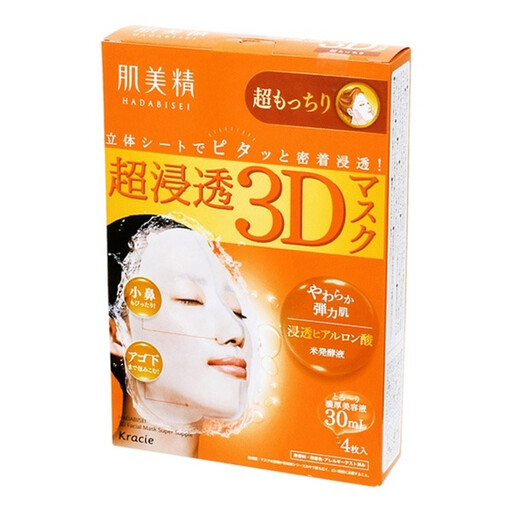
Why it suits this profile: A box of four pre-shaped sheet masks is a straightforward choice for anyone trying a Japanese face mask for the first time. The formula is designed to hydrate the skin.
The product information states that each mask contains 30 ml of essence, with four masks per box, as well as clear usage instructions. This means you know exactly what you are buying in advance.
3D sheet design, hyaluronic acid and production in Japan according to the product details.
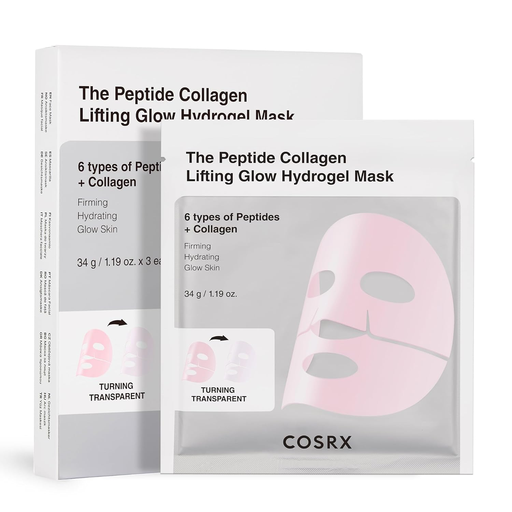
Why it suits this profile: This Korean face mask is designed for a longer skincare session. According to the description, the hydrogel becomes transparent while you wear it.
The instructions specify a wear time of two to three hours or, if preferred, overnight. This prevents you from leaving a short-use sheet mask on for too long.
Three 34-gram masks containing, among other ingredients, peptides, collagen, ceramides and hyaluronic acid according to the ingredients list.
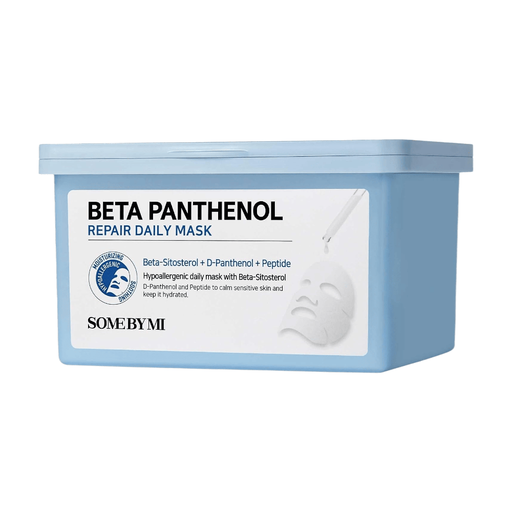
Why it suits this profile: If you use a mask regularly, a pack of 30 sheets provides a supply for an ongoing routine. The formula contains panthenol, niacinamide, ceramide NP and various forms of hyaluronic acid, among other ingredients.
The pack is designed for a set wear time of 10 to 20 minutes. The instructions recommend closing the packaging securely to help prevent the sheets from drying out.
30 single-use sheets; according to the product information, dermatologically tested and EVE Vegan certified.
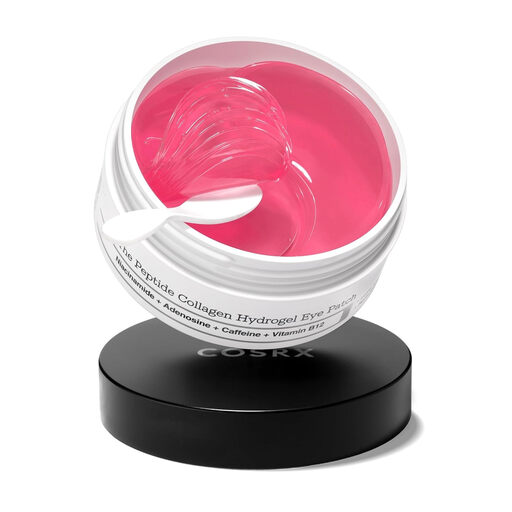
Why it suits this profile: This eye mask is designed for the skin under the eyes and contains 60 patches. The two placement options allow you to use them around the inner corners of the eyes or on crow’s feet.
You use a product designed for a specific area instead of cutting a full-face mask around the eyes or positioning it incorrectly.
60 hydrogel patches containing, among other ingredients, peptides, collagen, caffeine, niacinamide and hyaluronic acid according to the product information.
We have put together a complete, up-to-date list of products that fully meet these strict selection criteria and the applicable European safety regulations.
That depends on the type and the instructions. A hydrating sheet mask is often used once to several times a week. A formula containing retinol or acids requires greater caution. Follow the packaging instructions and do not introduce an active mask at the same time as several other new products.
Check the shelf-life information on the packaging. Use an opened mask straight away and throw away a sheet once it has been used. For packs containing multiple sheets, closing the packaging securely is important to help prevent drying out and contamination.
Divide the price by the number of sheets or patches. Then also compare the recommended frequency of use. A pack of 30 daily sheets may seem cost-effective per use, while a hydrogel mask containing three pieces is designed for longer, less frequent treatment sessions. So do not look only at the price of the pack; consider the overall routine it suits.
