
Vandaag of morgen in huis

Kwaliteit gegarandeerd

Welkomstaanbiedingen ontgrendelen: GRATIS bezorging | Tot 80% korting | Gratis 30 dagen JoyPlus-proefperiode
Download de app
A face mask can be a simple addition to your skincare routine, but the choice is extensive. Korean face masks, sheet masks, clay masks or pore masks: each type works differently and requires a different frequency of use.
The packaging may promise smoother, clearer or more radiant skin. That does not automatically mean every mask is suitable for your skin. As a Joybuy Product Recommendation Officer, I therefore focus primarily on verifiable information: the type of mask, its ingredients, recommended application time, size and the warnings on the packaging.
Terms such as “refines pores”, “detox” and “for blemishes” often describe a product’s intended purpose rather than a guaranteed result for every user. Pores do not disappear because of a face mask, for example. A clay mask can temporarily absorb excess sebum, making the skin look smoother or less shiny.
Check which ingredients are actually listed in the ingredients list. A mask for blackheads, for example, may contain clay, charcoal or exfoliating acids. According to a brand’s product description, a claimed effect may sometimes be supported by the brand’s own research or marketing claims. Treat this as brand-provided product information, not as a proven effect for everyone.
A sebum-regulating face mask containing clay, charcoal, salicylic acid or other acids can be beneficial for oily or blemish-prone skin. However, using it too often can cause tightness or irritation. Follow the instructions on the label. Some products are intended for once or twice a week, while a daily sheet mask has a shorter application time.
A hydrating face mask contains more than just hyaluronic acid. Its texture, preservatives, fragrances and other ingredients also matter. If you have sensitive skin, a patch test is advisable. Do not use a new product on damaged or irritated skin, and discontinue use if you experience redness, itching or a burning sensation.
A sheet mask is usually saturated with essence and intended for single use. Check the number of masks and the amount of essence per mask. The ABIB Gum Mask Sheet Snow Lotus, for example, contains 10 sheets of 27 ml each. This format is convenient if you want to plan multiple treatment sessions.
A hydrogel mask, such as the Biodance Hydro Ceranol Real Deep Mask, has a different texture and can, according to the product instructions, be worn for several hours. Always check the recommended wear time. Leaving it on longer is not automatically better.
A clay mask or mud mask is rinsed off after a few minutes. This type is practical for targeted treatment of the T-zone, but may feel tight more quickly on dry skin.
A 140 ml product in a tube offers a different level of convenience from a box containing five individual masks. Also check the recommended frequency of use, shelf-life information and storage instructions. Store sheets and jars in a cool, dry place away from direct sunlight. Close jars or sticks securely after use to help prevent the product from drying out.
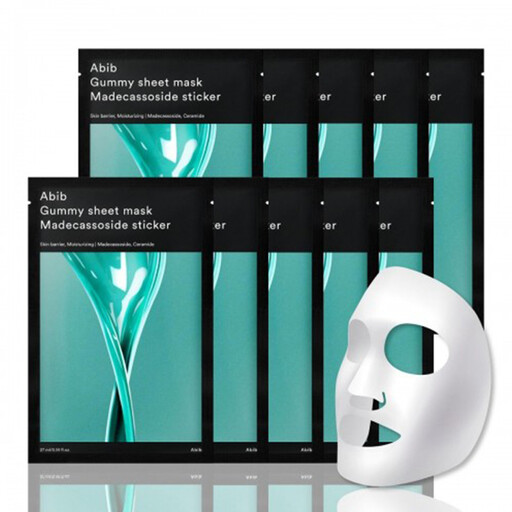
Why it’s a good fit: A pack of 10 sheets is a convenient way to try out a Korean sheet-mask routine at your own pace.
The product information specifies a clear treatment time of 10 minutes and states that the pack contains 10 sheets of 27 ml each.
Sheet mask with Centella Asiatica and madecassoside, according to the ingredients and product description.

Why it’s a good fit: The hydrogel texture and stated wear time make it well suited to an extended evening routine.
The product description explicitly states the recommended wear time and warnings, helping you avoid wearing the mask unnecessarily long.
According to the listed ingredients, it contains ceramides, panthenol and several forms of hyaluronic acid; the pack contains 4 masks.
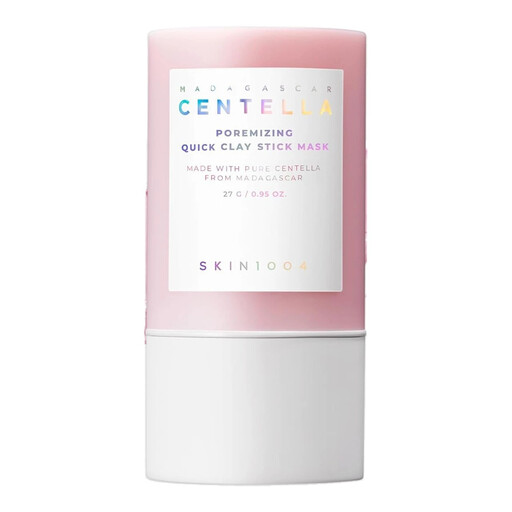
Why it’s a good fit: The stick format is convenient for quickly treating areas such as the forehead, nose and chin without getting your hands messy.
The instructions recommend leaving it on for 3 to 5 minutes and rinsing thoroughly, helping prevent unnecessary over-drying.
According to the product information, it contains five types of clay and has a net content of 27 g.
Browse a current selection of products and compare masks by skin type, ingredients, size and application time.
That depends on the type. A clay mask or pore mask is often used once or twice a week. A hydrating sheet mask may be used more frequently according to the product instructions. Always follow the label and pay attention to how your skin responds.
Look for kaolin, bentonite or charcoal if you want to reduce excess shine. For oily skin that also feels tight, a combination of gentle clay and hydrating ingredients may be more practical. If preferred, apply the product only to the T-zone.
Yes, but choose carefully. It is generally best to avoid products containing large amounts of fragrance, essential oils or multiple exfoliating acids. Perform a patch test first, and never use a mask on damaged or irritated skin. Consult a doctor or pharmacist if symptoms persist.
