
Vandaag of morgen in huis

Kwaliteit gegarandeerd

Welkomstaanbiedingen ontgrendelen: GRATIS bezorging | Tot 80% korting | Gratis 30 dagen JoyPlus-proefperiode
Download de app
A face mask can be a simple addition to your routine, but it is easy to buy the wrong product. A sheet mask for dry skin needs different properties from a clay mask for blackheads. A K-beauty face mask containing lots of active ingredients is not automatically suitable for sensitive skin either.
The main pitfalls are clear:
Decide which need matters most to you:
With a sheet mask, the material determines how well the mask fits and how much essence it holds. Rayon, microfibre, biocellulose and hydrogel all feel different. A mask that comes away from your nose or jawline will be less comfortable to use.
Also pay attention to the treatment time. Many sheet masks are designed to be worn for 10 to 20 minutes, while some hydrogel masks can be left on for longer or even used overnight. Wearing a mask for longer is not automatically better: follow the instructions on the packaging.
A clay mask may have a short treatment time instead. According to the product information, for example, the SKIN1004 Poremizing Fast Clay Stick Mask should be rinsed off after 3 to 5 minutes. This makes it practical, but it does require careful use.
A face mask for sensitive skin is not necessarily free from ingredients that may cause a reaction in some users. So check for:
Use retinol products with extra care. If you are pregnant or breastfeeding, it is advisable to seek professional advice before use. Do not apply a mask to damaged or irritated skin.
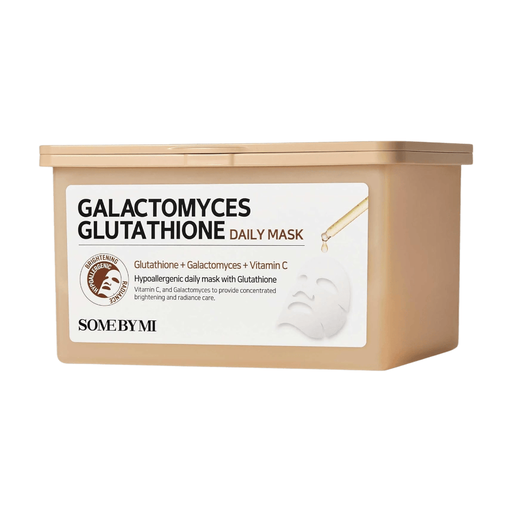
Why it suits this profile: A pack of 30 sheets is practical for anyone who wants to use a sheet mask regularly without repeatedly buying individual packs.
The packaging states the number of sheets and gives a specific treatment time of 10–20 minutes, making usage and consumption clear in advance.
30 sheets; contains glycerine, niacinamide, panthenol and several forms of hyaluronic acid.
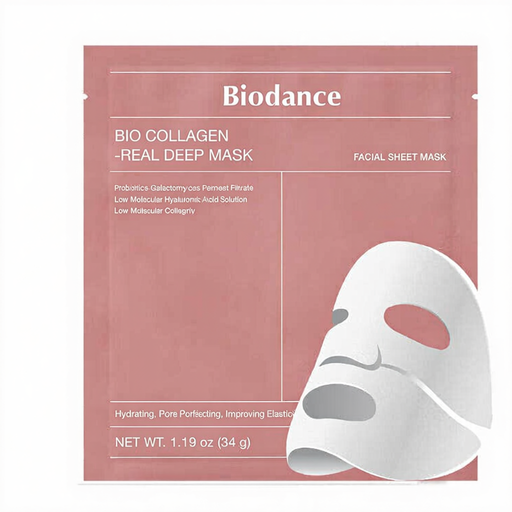
Why it suits this profile: The hydrogel structure and long wearing time suit users looking for an extended evening skincare ritual.
The instructions clearly state 3–4 hours or overnight and indicate that the mask is for single use.
4 masks of 34 g; contains collagen extract, glycerine, niacinamide and hydrolyzed hyaluronic acid.
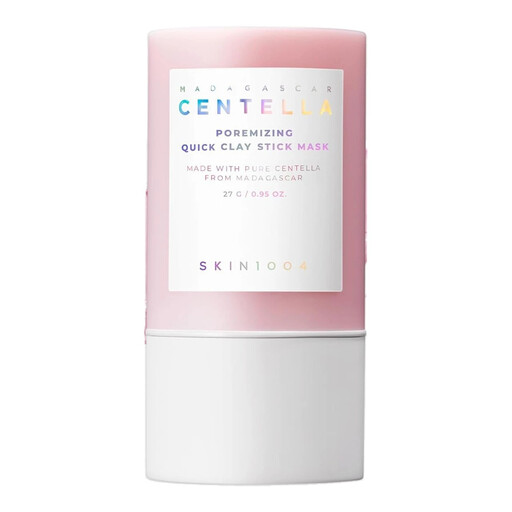
Why it suits this profile: If your main concerns are shine and visible pores, the stick format allows targeted application without covering your hands in clay.
The short application time helps prevent you from leaving a clay mask on for too long. However, avoid the eye and mouth areas.
27 g stick format; contains kaolin, bentonite, illite, montmorillonite and centella asiatica extract.
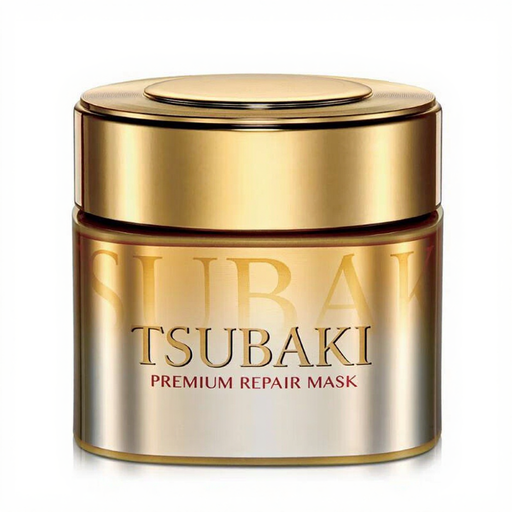
Why it suits this profile: This hair mask is designed for dry, damaged, coloured or chemically treated hair and is suitable for a weekly intensive routine.
The product information recommends using it 1–2 times a week and leaving it on for 5–10 minutes, so daily use is not necessary.
180 g contents; contains glycerine, camellia seed oil, royal jelly extract and soya protein.
Cleanse your face first and use a sheet mask for the recommended time. Gently pat in any remaining essence rather than rubbing vigorously. With an overnight mask, such as some gel or hydrogel varieties, a thin layer is usually more practical than a thick layer that ends up on your pillow.
For a hair mask for dry and damaged hair, apply the product mainly to the lengths and ends. Avoid the scalp if the instructions advise against it. Rinse thoroughly and generally use an intensive hair mask once or twice a week. For products such as Shiseido Fino Premium Touch, check the stated silicone and fragrance content if you prefer to avoid these ingredients.
We have put together a complete, up-to-date list of products that fully meet these strict selection criteria and the applicable European safety regulations.
It depends on the type and formula. A hydrating sheet mask is often used once to several times a week, according to the packaging. A clay mask, retinol face mask or acid-based mask usually calls for more caution. If you have sensitive skin, start with a lower frequency and carry out a patch test beforehand.
Check the expiry date, batch information and the period-after-opening symbol on the packaging. An opened mask in a jar can come into contact with air and moisture more quickly than individually wrapped sheets. Close jars and mask packs securely and store them in a cool, dry place away from direct sunlight.
Do not just compare the price of the pack; also consider the price per application. Divide the purchase price by the number of sheets or recommended uses. A pack containing several Korean face masks can be good value if you use them regularly, while an individual vitamin C face mask or collagen mask may be more suitable if you want an intensive treatment from time to time.
