
Same-day & Next-day Delivery

Quality Guaranteed

Unlock Your Welcome Offers: FREE Delivery | Up to 80% OFF | Free 30-day JoyPlus trial
Download the APP
A face mask can be a useful addition to your skincare routine, but there is a lot of choice. Korean face masks, sheet masks, hydrogel face masks and overnight face masks are often promoted with terms such as “glow”, “glass skin” and “intensive care”. Such words do not always tell you exactly what you are buying.
Pay particular attention to the ingredients, application time, packaging and suitability for your skin type. This will help prevent a mask from sitting unused in your bathroom or causing irritation.
A “collagen mask” does not automatically contain enough collagen to visibly firm the skin. Check the ingredients list and see where an ingredient appears. Ingredients listed higher up are generally present in greater quantities. Cosmetic ingredients can temporarily make the skin feel smoother, softer or more hydrated, but they are not a substitute for medical treatment.
Terms such as anti-ageing face mask or brightening face mask often describe the desired cosmetic effect. According to a brand’s own research, certain results may have been measured in a specific group of users. This does not mean the same result is guaranteed for every consumer.
A sheet mask that needs to be left on for 10 to 20 minutes suits a short skincare routine. A hydrogel mask that can be worn for 2 to 3 hours or overnight requires more planning. Wearing it for too long can also become uncomfortable when the mask dries out. Always follow the instructions on the packaging.
A product description may say that a mask is suitable for all skin types, while the formula still contains fragrances, essential oils or plant extracts. With a face mask for sensitive skin, it is sensible to check the ingredients and carry out a patch test first. Do not use a new product on damaged, infected or severely irritated skin.
First, decide what you want your routine to achieve:
Also look out for ingredients you know trigger a reaction for you, such as perfume, alcohol or essential oils.
A sheet mask is a single-use sheet soaked in essence. It is practical and usually only stays on the skin for a short time. A hydrogel face mask often fits closely and can be left on for longer, depending on the instructions. A rubber mask sometimes consists of several steps, such as an ampoule followed by an occlusive mask.
The fit partly determines how much product runs away at the edges. In practice, a mask that fits well around the nose, cheeks and chin is more comfortable than a sheet that keeps shifting.
Do not compare only the price of a pack. Also consider the number of masks, the amount per piece and how often you intend to use the product. A pack containing 10 or 21 sheets may work out cheaper per application, while a set of 3 or 4 hydrogel masks may be intended for weekly or occasional use.
A jar of overnight mask may provide several applications, but it must be used hygienically. Wash your hands before applying it and close the packaging securely.
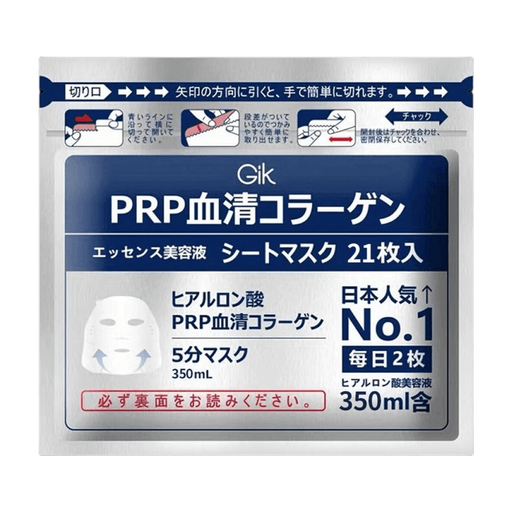
Why it suits this profile: With 21 individual sheets, this is a practical choice for anyone who wants to use a sheet mask regularly and try out different routines first.
The amount per application and the number of pieces are clearly stated. The manufacturer recommends a patch test for sensitive skin.
21 sheets; contains, among other ingredients, glycerine, niacinamide, hydrolysed collagen and sodium hyaluronate.
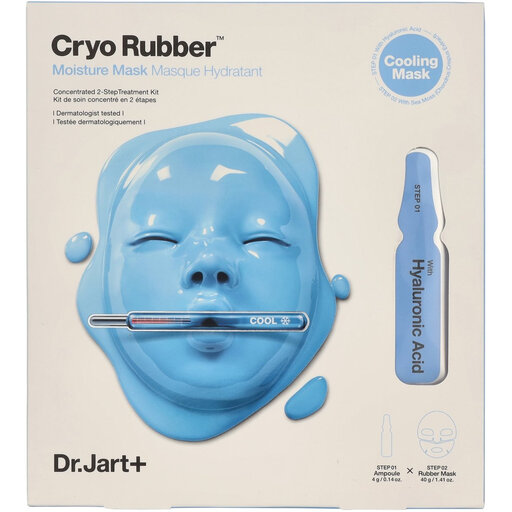
Why it suits this profile: The two-step routine suits consumers who want to set aside time for a more extensive skincare treatment.
The 30 to 40-minute application time and the two separate steps are clearly described.
Set of 2; ampoule with hyaluronic acid and a rubber mask made with algae and clay, according to the product description.

Why it suits this profile: This hydrogel mask is intended for anyone who wants to allow more time for a longer application, either during the day or overnight.
The instructions specify 3 to 4 hours during the day or overnight use. This allows you to fit the wear time around your routine.
Four 34 g hydrogel masks; the formula lists, among other ingredients, panthenol, hyaluronic acid and several ceramides.
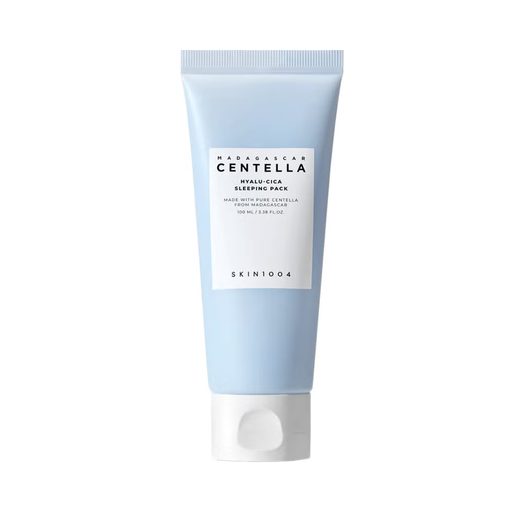
Why it suits this profile: This overnight face mask is applied as a thin layer and does not need to be removed before going to sleep.
According to the description, the texture absorbs quickly and is intended as the final step in your evening routine.
100 ml contents; lists centella asiatica, ceramide and several forms of hyaluronic acid.
If you have sensitive skin, test new face masks on a small area of skin first. If symptoms persist, seek advice from a doctor or dermatologist.
We have compiled a complete, up-to-date list of products that fully meet these strict selection criteria and the applicable European safety regulations.
It depends on the type of mask and the formula. For example, a hydrating sheet mask may fit into your routine several times a week. A clay mask or exfoliating product is usually used less frequently. Follow the packaging instructions and pay attention to how your skin reacts.
Only when the manufacturer explicitly allows it. Some hydrogel masks and overnight masks are designed for this, while a standard sheet mask should be removed after 10 to 20 minutes. A longer wear time does not automatically mean a greater effect.
Look for hydrating ingredients such as glycerine, panthenol, ceramides and hyaluronic acid. Avoid ingredients that have caused sensitivity in the past and carry out a patch test with a new product. A hydrating face mask with a short, clearly stated application time is often a practical starting point.
