
Vandaag of morgen in huis

Kwaliteit gegarandeerd

Welkomstaanbiedingen ontgrendelen: GRATIS bezorging | Tot 80% korting | Gratis 30 dagen JoyPlus-proefperiode
Download de app
A face mask can be a simple addition to your skincare routine, especially when your skin feels dry, tight or dull. However, it is not wise to rely solely on terms such as “intensive”, “glow” or “deep hydration”. The formula, application time and packaging all determine whether a mask is practical for your routine.
In this article, you’ll learn what to look for in a hydrogel face mask, sheet mask, hydrating face mask or overnight mask. Afterwards, you’ll find some popular options for different situations.
A product containing hyaluronic acid, collagen, ceramides and plant extracts may sound appealing. However, the presence of an ingredient does not automatically mean that the product is suitable for everyone. So always check the full INCI list, particularly if your skin tends to react sensitively to fragrance, essential oils or certain preservatives.
A hyaluronic acid face mask usually contains different forms of hyaluronic acid. These can help create a hydrated feeling, but the result also depends on the rest of the formula and the moisturiser or other finishing care you apply afterwards.
A brand may position a mask as soothing or suitable for sensitive skin. According to the brand’s own research or the product description, this may be based on a user test or dermatological assessment. This does not guarantee that your skin will tolerate the product without problems.
If in doubt, first carry out a patch test on a small area of skin, such as behind your ear or on your arm. Do not use a mask on damaged, infected or severely irritated skin. Stop using it if you experience a burning sensation, swelling, redness or itching.
A traditional sheet mask is often removed after 10 to 20 minutes. A hydrogel face mask can sometimes be left on for longer, for example for two to three hours or according to the instructions until it becomes transparent. An overnight mask is a different type again: you usually apply a thin layer as the final step of your evening routine.
Always follow the application time stated on the packaging. A dried-out sheet mask can feel uncomfortable and is not suitable for every skincare routine.
First, choose the format that fits your schedule:
Also consider the fit. A mask that does not sit properly around the nose, mouth and chin may shift more easily and feel less comfortable while you are wearing it.
For a face mask for dry skin, glycerine, betaine, panthenol, hyaluronic acid, ceramides and soothing emollients are common ingredients to compare. They can leave the skin feeling hydrated or supple, but the effect varies from one formula to another.
If you are looking for a face mask for sensitive skin, consider a short, easy-to-understand ingredients list and, if preferred, choose a fragrance-free formula. Centella asiatica, panthenol and allantoin are often used in soothing formulas. Even so, always check the full ingredients list.
A collagen face mask or anti-ageing face mask is particularly interesting if you are looking for smoother, plumper or more cared-for-feeling skin. According to the brand’s own research, participants reported a firmer and more radiant appearance after use. Such results are specific to the brand and do not mean that a mask medically treats or permanently changes wrinkles.
A single 15 or 25 ml sachet is useful if you want to try a product first. Multipacks are often more practical if you use a sheet mask every week. Compare the price per mask, not just the total price.
With larger packs, check the closure, shelf life and storage instructions. Store unopened masks in a cool, dry place away from direct sunlight. An opened mask is generally intended for one-time use.
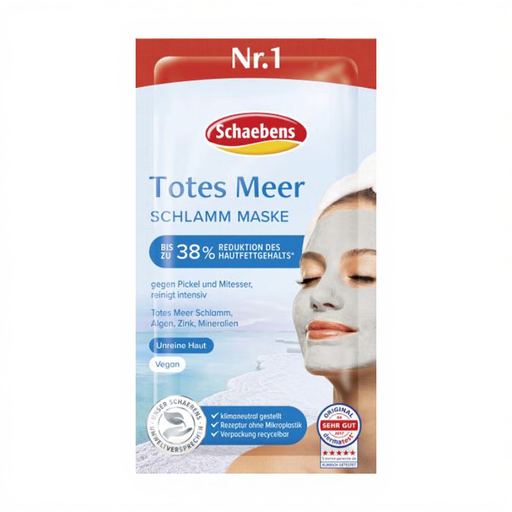
Why it suits this profile: The 15 ml pack is ideal if you want to try a wash-off mask first without buying a multipack.
The application time is clear: 10–15 minutes, followed by rinsing. The product description also lists the ingredients and warns you to avoid the eye and lip area.
Dead Sea mud, kaolin, aloe vera and chamomile extract; 15 ml sachet; according to the product information, free from microplastics, PEGs, silicones, paraffins, colourants and allergenic fragrances.

Why it suits this profile: This hydrogel variant is designed for a longer skincare session: overnight or for three to four hours during the day, according to the product information.
The application time and the point at which the mask becomes transparent are clearly described. This means you do not have to guess when to remove it.
4 masks of 34 g; contains panthenol, several forms of hyaluronic acid and ceramides such as Ceramide NP, NS, AP, AS and EOP.
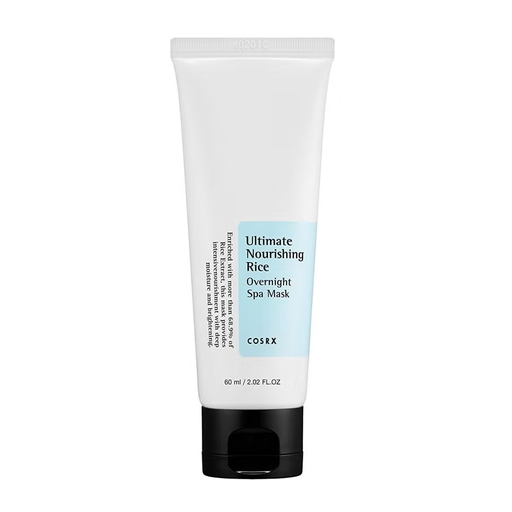
Why it suits this profile: The cream-gel is ideal if you would rather not wear a sheet mask and want a product that can also be used as a sleeping pack or wash-off mask.
The product description provides three ways to use it, with separate instructions for each. You can therefore adjust the amount and application time to suit your routine.
60 g in a jar; according to the product information, contains more than 65% rice extract; can be used as an overnight mask, wash-off mask or moisturiser.
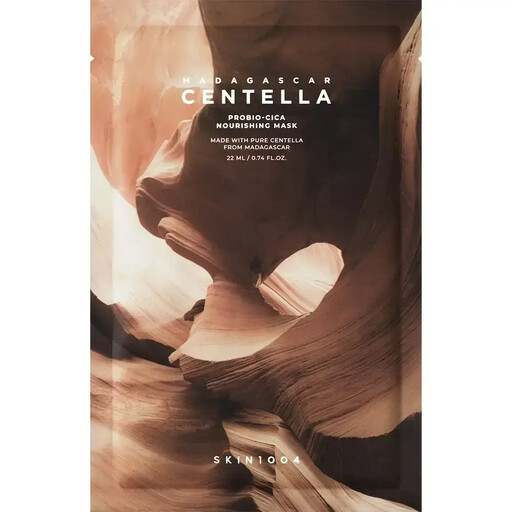
Why it suits this profile: This sheet mask is suited to a short Korean skincare routine for dry or sensitive skin, with an application time of 10–20 minutes.
The product information states the skin type, texture and exact application time. The formula makes no claims about a medical effect.
22 ml sheet mask; according to the product description, contains fermented Centella asiatica extract, ceramides and a 9-peptide complex.
We’ve put together a complete, up-to-date list of products that fully meet these strict selection criteria and the applicable European safety regulations.
An exfoliating mask containing PHA, such as a powder mask, requires extra attention to sun protection. Do not combine several highly active products if your skin is not yet used to them.
That depends on the type. For some routines, a hydrating sheet mask may be suitable once or a few times a week. According to the product information, a wash-off mud mask is often used once to three times a week. Always follow the label and pay attention to how your skin reacts.
It can be, but check the ingredients and carry out a patch test beforehand. Ideally, choose a formula without ingredients that you already know your skin reacts to. Do not use the mask on damaged or severely irritated skin.
A sheet mask is a pre-shaped, single-use mask containing essence that you usually remove after 10–20 minutes. An overnight mask is generally a gel or cream product that you apply in a thin layer as the final step of your routine and leave on overnight. The choice mainly depends on the time you have available and the texture you prefer.
