
Vandaag of morgen in huis

Kwaliteit gegarandeerd

Welkomstaanbiedingen ontgrendelen: GRATIS bezorging | Tot 80% korting | Gratis 30 dagen JoyPlus-proefperiode
Download de app
Buying a face mask seems simple until you have to choose between a sheet mask, clay mask, collagen mask or a complete mask set. Marketing terms such as “glass skin”, “deep repair” and “pore tightening” do not say much on their own. The right choice mainly depends on your skin type, the ingredients, how long you need to wear it and how you want to fit the mask into your routine.
For consumers in the Netherlands, there are also several common pitfalls. A product that feels pleasant is not automatically suitable for sensitive skin. And a large number of masks in a pack is not always better value if you hardly use them.
Words such as “collagen”, “firming” or “pore-minimising” sound specific, but they do not always describe what you can visibly expect. Therefore, check the complete product information and ingredients list. A collagen mask, for example, may primarily be intended to leave the skin feeling temporarily hydrated and supple.
When a brand makes a claim about a product’s effects, we do not treat it as an established fact. Look at the evidence provided on the packaging and pay attention to the usage instructions. A brand’s own research may report certain results, but these will not necessarily be the same for every user.
A face mask containing tea tree, retinol, acids or essential oils may seem appealing for a specific skin concern. However, the complete formula determines how the product is experienced. Fragrances and allergens such as limonene or linalool may be a consideration for some users.
If you have sensitive skin, do not choose solely based on the word “soothing”. Also check whether the mask contains perfume, essential oils or exfoliating acids. A patch test on a small area of skin is sensible before using it all over your face for the first time.
A sheet mask that takes 10 to 20 minutes fits easily into an evening routine. A hydrogel mask that needs to be left on for 3 to 4 hours or overnight requires more planning. Do not leave a mask on for longer than stated in the product information. A dried-out sheet mask may actually feel uncomfortable.
A sheet mask is a sheet soaked in essence. This type is practical for a short hydrating or soothing treatment. A hydrogel or biocellulose mask often fits closely to the skin and usually has a longer recommended wear time.
A clay mask is a different category. Ingredients such as kaolin, bentonite and other types of clay are generally chosen to remove excess sebum and cleanse the skin. A clay mask is therefore more suitable for oily or combination skin than for daily use on dry skin.
For a hydrating face mask, you will often come across glycerine, panthenol, betaine, hyaluronic acid or sodium hyaluronate. These ingredients can be checked in the ingredients list, but they do not tell you exactly how your skin will respond.
For a soothing face mask, relevant ingredients to look for include allantoin, centella asiatica, dipotassium glycyrrhizate and panthenol. If you need a face mask for sensitive skin, limit the number of new active products you introduce at the same time.
For a face mask for blackheads, look for clay, salicylic acid or other exfoliating ingredients. Use these formulas as directed and avoid unnecessarily combining them with several strong exfoliants in the same routine.
Do not compare the price alone; also compare the number of masks and the net contents per mask. A pack of 10 sheet masks is practical if you want to use a short treatment regularly. A pot or stick may be more convenient if you only want to treat your T-zone.
With packs containing multiple masks, pay attention to hygiene and close opened packaging securely. Store face masks in a cool, dry place away from direct sunlight, following the instructions on the packaging. Before use, check the expiry information and batch number on the product.
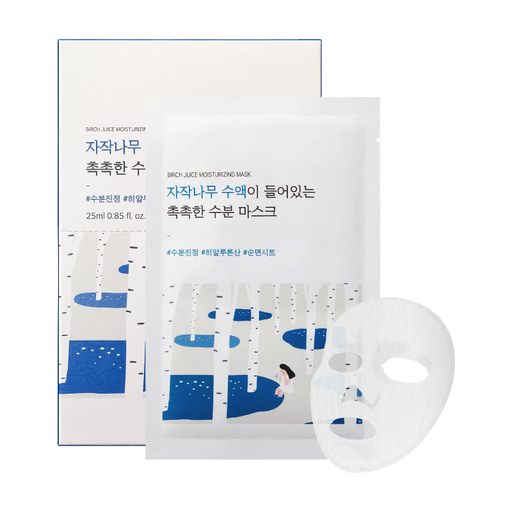
Why it suits this profile: Anyone wanting to start a simple K-beauty face mask routine gets 10 individual sheet masks. According to the product information, the recommended wear time is 10 minutes.
The quantity per pack is clearly stated: 25 ml per sheet and 10 masks. This makes it easier to estimate the cost per use.
Glycerine, sodium hyaluronate and allantoin are listed in the ingredients. Individual packs are convenient for one-off use.

Why it suits this profile: This hydrogel mask is designed for a longer skincare session. The product information recommends wearing it for 3 to 4 hours during the day or overnight, until the mask becomes transparent.
The wear time and quantity are stated in advance: 4 masks. This makes it less suitable for rushed routines, but clearer for planned use.
The ingredients list includes ceramides, panthenol and several forms of hyaluronic acid. The hydrogel material is designed to fit closely to the skin.
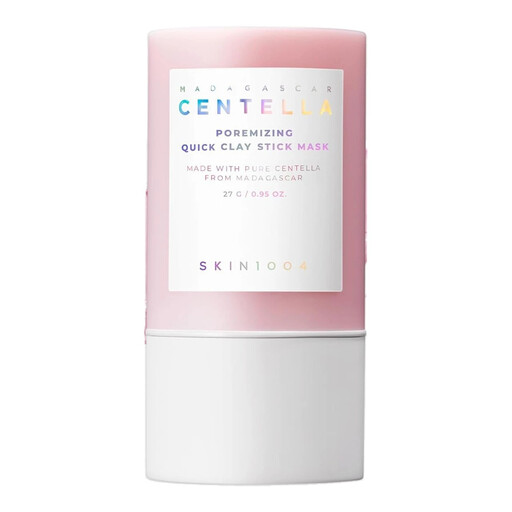
Why it suits this profile: The stick format is practical for targeted application, for example on the T-zone. According to the product information, the mask should be left on for 3 to 5 minutes and then rinsed off.
You do not need to put your fingers into a pot. The formula lists kaolin, bentonite, illite and montmorillonite; if you have sensitive skin, check your tolerance first.
27 grams of product, direct stick application and a short stated processing time. Suitable for users who want to use a clay mask on targeted areas.
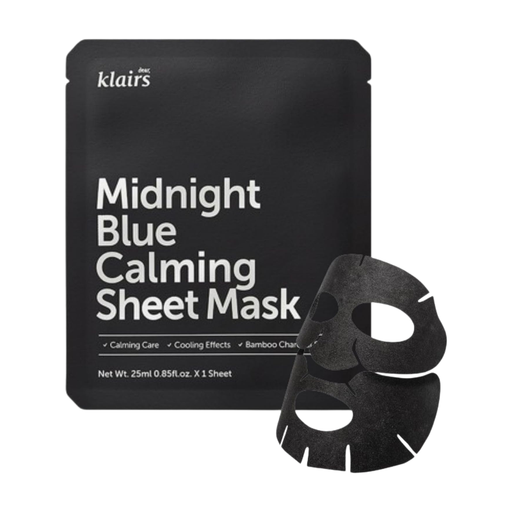
Why it suits this profile: The product information states that it has a fragrance-free formula, a rayon sheet and 25 ml of essence per mask. The recommended wear time is 15 to 20 minutes.
The formula is clearly described, but does contain tea tree oil and limonene. Therefore, always check the ingredients if you are sensitive to fragrance allergens.
Allantoin, glycerine, erythritol and centella asiatica are listed. The pack contains 10 masks containing 25 ml each.
We have put together a complete, up-to-date list of products that fully meet these strict selection criteria and the applicable European safety regulations.
Do not use a mask on damaged or irritated skin. Stop if you experience a burning sensation, swelling, itching or persistent redness. If you are concerned about a skin reaction, contact a doctor or dermatologist.
This depends on the type of mask and its formula. According to the product information, a simple hydrating sheet mask can be used several times a week, while a clay mask or a mask containing AHA, BHA, PHA or retinol may be suitable less often. Always follow the label and pay attention to how your skin responds.
An individual sheet mask is intended for one-time use. With a pot or stick, close the packaging securely straight away and follow the expiry information on the label. Store the product in a dry, cool place away from direct sunlight. If the smell, colour or texture changes, stop using it.
For dry skin, look for ingredients such as glycerine, panthenol, betaine and hyaluronic acid. For sensitive skin, a short ingredients list without perfume is often a practical starting point, but also check for hidden fragrance allergens and essential oils. Test a new product on a small area of skin first.
