
Vandaag of morgen in huis

Kwaliteit gegarandeerd

Welkomstaanbiedingen ontgrendelen: GRATIS bezorging | Tot 80% korting | Gratis 30 dagen JoyPlus-proefperiode
Download de app
A face mask can be a simple addition to your skincare routine, but the range available varies considerably. A sheet mask is used differently from a clay face mask or a hydrogel mask. Terms such as “collagen”, “lifting”, “pore-cleansing” and “anti-ageing” also say little on their own about whether a product suits your skin.
Pay particular attention to the ingredients list, recommended wear time and product format. This will help you avoid buying a mask that is too drying, inconvenient or unsuitable for your routine.
Words such as “glow”, “lifting” or “pore refinement” are often part of a product’s positioning. They do not guarantee a specific result. According to the product descriptions provided by some brands, ingredients such as collagen, niacinamide or hyaluronic acid may help leave the skin feeling hydrated or smooth. This is different from a medical or permanent effect.
Instead, look for verifiable information:
A label such as “for all skin types” is convenient, but it does not take individual sensitivities into account. For example, a formula may contain fragrance, essential oils, limonene or linalool. If you have sensitive or redness-prone skin, the full ingredients list is therefore more important than just the front of the packaging.
A face mask for redness is not a treatment for a skin condition. Seek professional advice if problems persist, and stop using the product if irritation occurs.
Leaving a sheet mask on for longer than stated does not automatically make it more effective. A mask that has dried out may actually feel uncomfortable. Hydrogel masks can sometimes be worn for much longer: according to the product information, certain Biodance masks are intended to be used for three to four hours or overnight. Always check the instructions for each product.
Sheet masks are infused with essence and are generally intended to be worn for around 10 to 30 minutes. They are convenient for a quick routine. A Korean face mask is often available as a sheet mask, but also as a hydrogel or wash-off version.
For a face mask for dry skin, look for glycerine, panthenol, ceramides and different forms of hyaluronic acid. These ingredients are often found in formulas designed to leave skin feeling comfortable and hydrated.
For a face mask for blemish-prone skin or a pore-cleansing mask, you will often see kaolin, bentonite, salicylic acid or gluconolactone. These ingredients may temporarily leave the skin feeling cleaner or more mattified, but a clay mask should not feel as though it is burning.
A collagen face mask or anti-ageing face mask often contains collagen, adenosine, niacinamide or peptides. Describe these as skincare properties rather than a guaranteed reduction in wrinkles. According to the brands’ own product information, these masks are intended to leave the skin feeling smoother, plumper or more hydrated.
Check the following before buying:
If you have sensitive skin, test a small amount or a small area of the product first. Do not use a mask on damaged or irritated skin, and avoid contact with the eyes. Always follow the packaging, as this contains the current usage instructions.
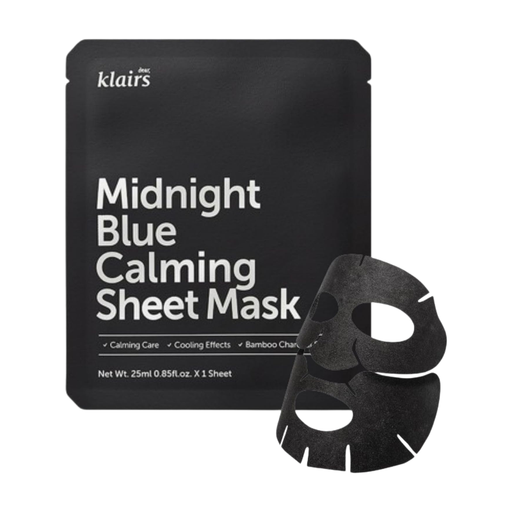
Why it suits this profile: An easy-to-use sheet mask set containing 10 masks. According to the product description, the formula is free from artificial colourants and fragrances, but the ingredients list does include tea tree oil and limonene.
The quantity, number of masks and recommended wear time of 15–20 minutes are clearly stated. However, check for fragrance allergens if you have sensitive skin.
10 individual sheet masks, 25 ml of essence per mask and a rayon sheet. Suitable for a short skincare step after cleansing and toning.
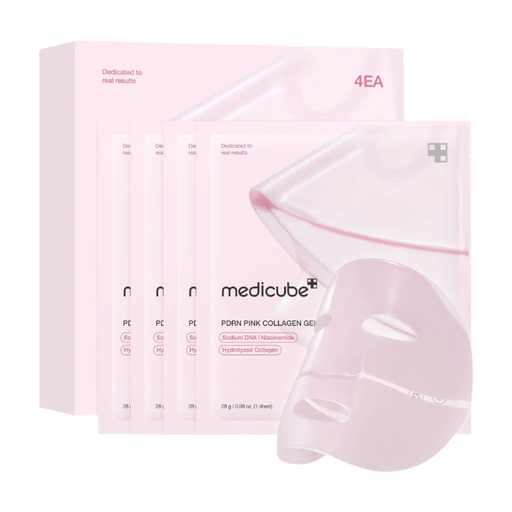
Why it suits this profile: The gel texture is designed for anyone looking for a more intensive treatment rather than a thin sheet mask. The product information recommends using it as a weekly skincare treatment or for a special occasion.
The instructions link removal to the gel becoming transparent. This means you do not have to rely solely on a fixed amount of time.
According to the ingredients list, it contains glycerine, niacinamide, hydrolysed collagen and adenosine, among other ingredients. A patch test is recommended, particularly if you have sensitive skin.
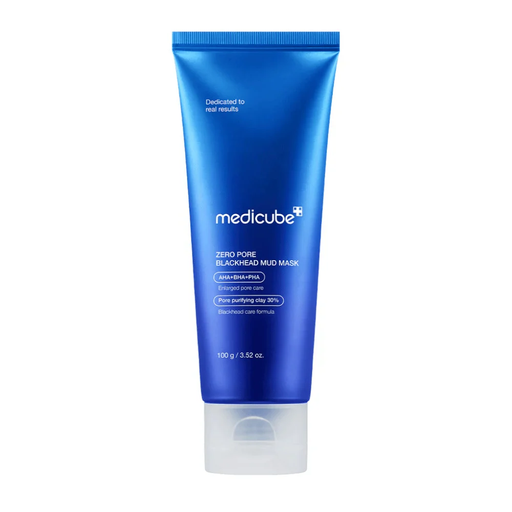
Why it suits this profile: Designed for fans of a pore-cleansing mask and a quick wash-off treatment. The product information lists several types of clay and exfoliating acids.
The recommended wear time is around 3 minutes, with use once or twice a week. The presence of AHA, BHA, PHA and citrus oils makes a patch test particularly important.
Kaolin, bentonite, montmorillonite and illite are included in the ingredients list. The formula also contains salicylic acid, glycolic acid and gluconolactone.
We have put together a complete, up-to-date list of products that fully meet these strict selection criteria and the applicable European safety regulations.
When using a clay mask, apply an even layer and rinse the product off with lukewarm water. Do not rub the skin vigorously. Use a mask containing retinol or exfoliating acids according to the packaging, and remember to wear sun protection during the day.
This depends on the type. According to the product instructions, a hydrating face mask without strong exfoliating ingredients can be used regularly. A clay mask or mask containing AHA, BHA, PHA or retinol is generally used less often. Follow the label and reduce the frequency if your skin feels tight or irritated.
The recommended wear time is often between 10 and 20 minutes, but this varies from product to product. Do not automatically leave a sheet mask on until it has dried completely. Hydrogel masks may have a longer wear time, so always check the specific packaging.
Calculate the cost per use by dividing the purchase price by the number of masks or applications. A mask in a pot may seem good value, but also consider the recommended frequency of use and its shelf life after opening. With a set of sheet masks, the number of masks is clearer, making it easier to compare the cost per treatment.
