
Vandaag of morgen in huis

Kwaliteit gegarandeerd

Welkomstaanbiedingen ontgrendelen: GRATIS bezorging | Tot 80% korting | Gratis 30 dagen JoyPlus-proefperiode
Download de app
A face mask for radiant skin can be a simple addition to your routine, but not every mask suits every skin type or lifestyle. A five-minute sheet mask works differently from a hydrogel mask that you wear for several hours. Terms like “whitening”, “glass skin” and “anti-ageing” also tell you very little about the formula or how to use it.
If you want to buy with purpose, it’s worth avoiding three common pitfalls.
“Brightening” usually means a product aims to give the skin a fresher or more even appearance. It’s no guarantee that pigmentation spots will disappear. So always check the ingredients, such as niacinamide, vitamin C derivatives, arbutin, liquorice root extract or hydrating agents.
Extra care is needed with products containing retinol, retinal, acids or vitamin C. According to the product information, these ingredients can increase sensitivity to sunlight. Sun protection during the day is therefore important.
A daily sheet mask is often used for 5 to 20 minutes. A hydrogel mask, on the other hand, can be worn for 2 to 3 hours or even overnight. Longer isn’t automatically better. A dried-out sheet mask can feel uncomfortable and irritate sensitive skin.
Follow the instructions on the packaging and remove a mask as soon as you feel a burning sensation, itching or noticeable redness.
A formula that the product description says is suitable for all skin types can still contain fragrance, citrus oil, alcohol, retinol or exfoliating ingredients. If you have sensitive skin, always check the full ingredients list and do a patch test on a small area of your body first.
For dull or dehydrated skin, look out for practical ingredients like glycerine, hyaluronic acid, panthenol, betaine and ceramides. These suit a hydrating face mask that leaves the skin feeling comfortable and supple.
For a more even appearance, you’ll often see niacinamide, vitamin C derivatives, arbutin or kojic acid. Don’t expect instant removal of pigmentation spots. A mask for pigmentation spots mainly supports the care of an uneven skin tone; results depend on your full routine and sun protection.
Collagen in a mask is usually hydrolysed collagen or soluble collagen. According to the product description, this can contribute to a fuller or smoother-looking skin surface. That’s different from a medical or permanent firming effect.
Also consider the quantity. A pack of 30 sheets is handy for regular use, while a set of 3 or 4 hydrogel masks is better suited to a weekly care routine.
Retinol, retinal, salicylic acid derivatives, citric acid and some vitamin C derivatives may require extra attention. Citrus and lavender oil can cause sensitivity in some users. If in doubt, choose a simple K-beauty face mask without strong fragrances and test it first.
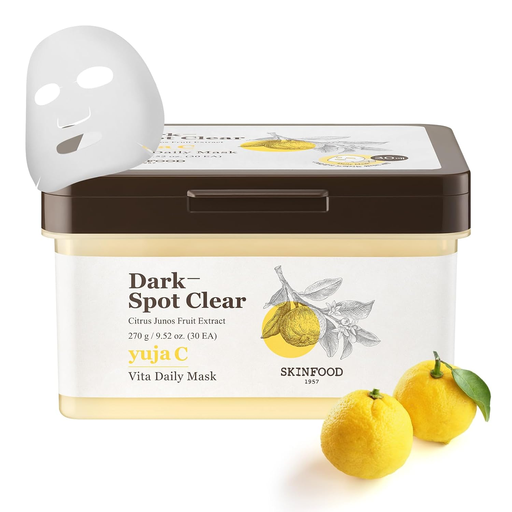
Why this fits the profile: The pack contains 30 sheets and the product instructions state a usage time of 5 minutes. This makes it a low-barrier choice for anyone wanting to try Korean skincare without a long wear time.
The short usage time reduces the chance of leaving the mask on too long. Do check the current ingredients and stop if irritation occurs.
30 pieces, cellulose sheet and a routine of around 5 minutes according to the product description.
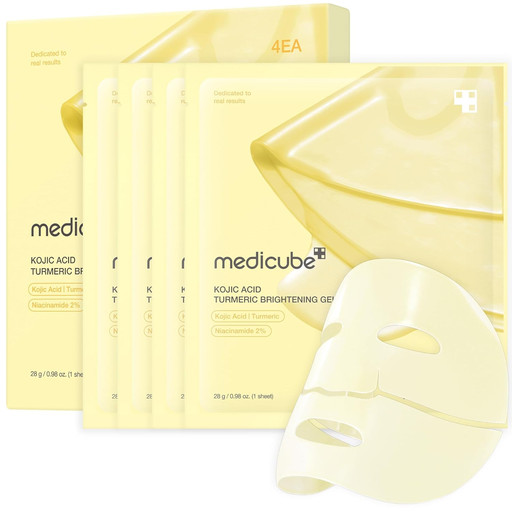
Why this fits the profile: According to the ingredients list, this gel mask contains, among other things, kojic acid, turmeric, niacinamide, ascorbic acid, ceramide NP and retinol. It is intended for users who want to work specifically on radiance and hydration.
The product page mentions use both during the day and at night, with a specific wear time of 3 to 4 hours. Due to the presence of retinol, sun protection and a patch test are especially important.
4 masks per pack and a formula with multiple nourishing ingredients. Do not use on irritated skin.
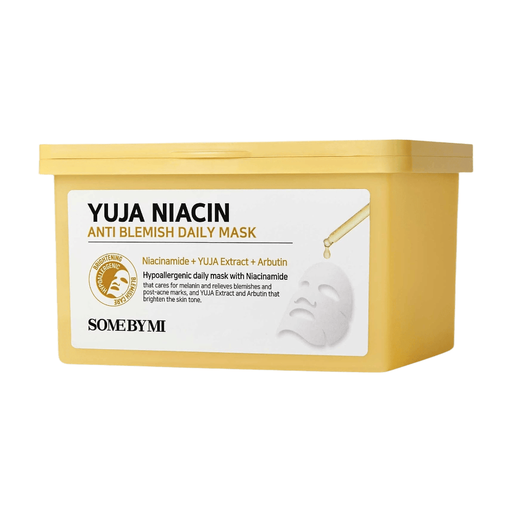
Why this fits the profile: The pot contains 30 sheets and the instructions recommend 10 to 20 minutes per use. Niacinamide, yuja extract and vitamin C derivatives suit a routine for a dull-looking, uneven complexion.
The fixed short usage time makes daily use straightforward. The formula also contains citrus oil, retinal and exfoliating ingredients; a patch test is advisable for sensitive skin.
30 sheets, vegan formula according to the product information and a routine of 10 to 20 minutes.
We’ve put together a full, up-to-date list of products that fully meet these strict selection criteria and comply with current European safety regulations.
A mask does not replace a simple basic routine of cleansing, hydration and sun protection. If irritation persists, it’s wiser to stop than to apply more often.
That depends on the type of mask and the ingredients. A mild hydrating sheet mask can be used daily according to the product instructions. A mask with retinol, retinal, acids or exfoliating ingredients requires more restraint. Always follow the label and pay attention to how your skin reacts.
Check the expiry date on the packaging and store the product in a cool, dry place away from direct sunlight. Use an opened mask immediately. A sheet mask is for single use only; reusing it is unhygienic and can irritate the skin.
No. First look at the ingredients, quantity, wear time and fit. A pack of 30 sheets can be more cost-effective for daily use, while a hydrogel mask with a more extensive formula is better suited to a weekly routine. The right choice depends on your skin goals and usage habits.
