
Livraison le jour même et le lendemain

Qualité garantie

Débloquez vos offres de bienvenue: Livraison GRATUITE | Jusqu'à -80 % | 30 jours d'essai gratuits à JoyPlus
Téléchargez l'application
A face mask for pores and blemishes can be part of a simple weekly skincare routine. However, it is not wise to rely solely on words such as “detox”, “close pores” or “instant results”. The right choice mainly depends on your skin type, the ingredients and how often you can use the product without experiencing tightness.
A clay or mud mask can absorb excess sebum. This can be useful for oily or combination skin, particularly on the nose, chin and forehead. However, dry or sensitive skin may react more quickly to a formula that takes a long time to dry or contains several cleansing ingredients.
Pay attention to the recommended application time. A mask that needs to be rinsed off after 3 to 10 minutes requires a different approach from a product that is left on for 15 minutes. Leaving it on for longer does not automatically improve the results.
Brands use terms such as “refine pores”, “remove blackheads” and “regulate sebum”. These terms often describe the intended purpose or user experience, but they do not guarantee the same results for everyone. A brand’s own research may have observed certain effects under specific conditions, so always check the product packaging and ingredients list.
A face mask can temporarily leave your skin feeling smoother or cleaner. Pores do not disappear permanently, and a cosmetic mask is not a treatment for a skin condition.
Some masks contain acids such as salicylic acid, gluconolactone or glycolic acid. Others combine clay with fragrances, essential oils or exfoliating powders. Do not use several intensive products on the same evening. This can leave your skin feeling unnecessarily dry or sensitive.
Always check the complete INCI list, particularly if you have previously reacted to perfume, citrus oils or certain plant extracts.
A 100 to 240 ml tube is suitable if you use a wash-off mask regularly. A stick format is convenient for targeted application and limits contact with your hands. A sheet mask usually contains a single portion and is practical for a short hydrating or soothing routine.
Pay attention to the instructions on the packaging. Only use a mask on intact skin, avoid the eye and lip contours, and rinse off a wash-off product thoroughly. When trying a new product, carrying out a small patch test is a sensible precaution.
Start by using it once a week. A product description may recommend using it two or three times a week, but your skin’s tolerance should always guide you. Stop using the product if you experience persistent redness, itching, swelling or a burning sensation, and follow the safety information on the packaging. Products containing acids can increase sensitivity to sunlight; use suitable sun protection during the day.
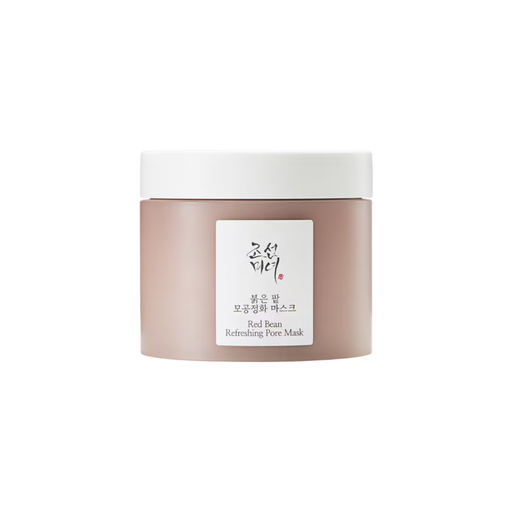
Why it suits this profile: A 140 ml tube is a manageable choice for anyone looking for their first wash-off mask. The product description mentions kaolin, red bean powder and an application time of 5–10 minutes.
The short application time helps prevent you from leaving the mask on to dry for unnecessarily long.
Kaolin to absorb sebum, red bean powder for gentle exfoliation and a tube format.
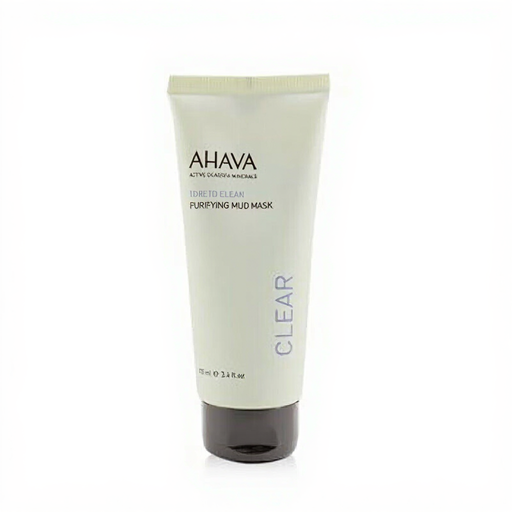
Why it suits this profile: According to the product information, the formula is based on Dead Sea mud and minerals. The 100 ml size is well suited to a regular weekly routine.
The ingredients and contents are clearly described, so you do not have to rely solely on a detox claim.
Dead Sea mud, minerals and a creamy mud texture.
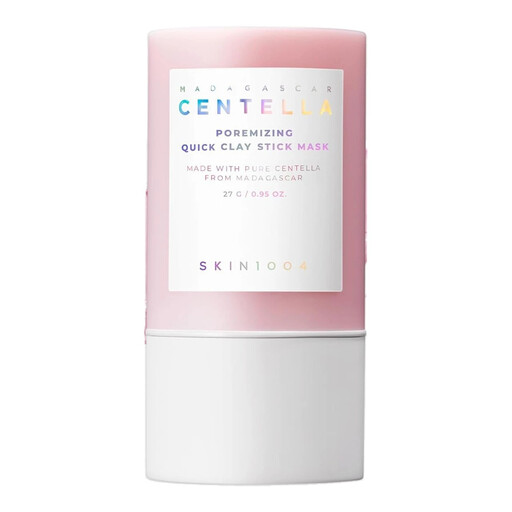
Why it suits this profile: The stick format is convenient for targeted application to a shiny T-zone. According to the product information, the formula contains five types of clay and the recommended application time is 3–5 minutes.
You do not need to cover your entire face; targeted use can help limit unnecessary dryness on the cheeks.
Direct stick application, 27 g contents and a clay blend containing kaolin, bentonite and illite.
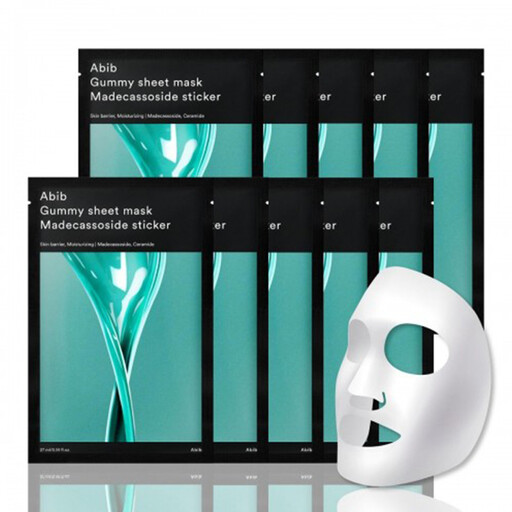
Why it suits this profile: This Korean skincare option contains 10 sheet masks of 27 ml each. The format is ideal for anyone mainly seeking hydration and comfort in a treatment lasting around 10 minutes.
It is not a drying clay mask; the water-based formula and sheet format are better suited to a hydrating routine.
10 individual masks, 27 ml of essence per sheet and madecassoside according to the product description.
Would you like to combine different goals, such as cleansing pores and then hydrating? Use a purifying face mask and a hydrating face mask on different days. A mask for sensitive skin does not automatically contain no irritating ingredients; always read the packaging carefully.
We have compiled a complete, up-to-date list of products that fully meet these strict selection criteria and the applicable European safety regulations.
A clay or mud mask can absorb sebum and surface impurities, which may make blackheads look less visible temporarily. Results vary depending on your skin and the product. Do not squeeze blackheads forcefully, as this can irritate your skin. If you have persistent or severe symptoms, it is best to seek advice from a GP or skincare professional.
For many wash-off masks, once or twice a week is a practical starting point. Some product descriptions recommend using them two or three times a week. Start less frequently and see how your skin responds. A sheet mask without strong exfoliating ingredients may be suitable for more frequent use, but always follow the label.
Yes, if you mainly want hydration without a rich cream. However, a sheet mask does not cleanse pores in the same way as a clay mask. For oily or combination skin, you can alternate between the two formats: use a purifying mask on the T-zone and a hydrating sheet mask when your skin feels tight.
