
Vandaag of morgen in huis

Kwaliteit gegarandeerd

Welkomstaanbiedingen ontgrendelen: GRATIS bezorging | Tot 80% korting | Gratis 30 dagen JoyPlus-proefperiode
Download de app
A face mask can be a pleasant addition to your skincare routine, but not every mask suits every skin type or routine. A sheet mask that works well for dry skin may do too little for congested pores. A clay mask for pores, on the other hand, can feel uncomfortable when your skin is already dry or sensitive.
The biggest purchasing mistakes usually stem from three marketing pitfalls:
For a face mask for dry skin, humectant ingredients such as glycerine, panthenol, betaine and hyaluronic acid are worth looking out for. Ceramides and richer ingredients may suit users seeking extra comfort, but a rich formula may feel less comfortable on oily skin.
A soothing face mask often contains ingredients such as allantoin, dipotassium glycyrrhizate or centella asiatica. Brands may make claims about their effects; treat this information as a product claim from the brand, not as a guaranteed result. A patch test is still advisable for sensitive skin.
If your main concern is a dull complexion, you could look for niacinamide or vitamin C derivatives. An anti-ageing face mask often contains adenosine, peptides and collagen. According to the brand’s own research, the manufacturer reported firmer and more radiant-looking skin, among other results, in a small study of 20 women. This is not a guarantee for every user.
Follow the recommended application time. Remove a sheet mask when it starts to dry out and do not allow a clay mask to become hard and tight.
A pack of 10 masks may seem good value, but check the amount of essence per sheet, the recommended frequency of use and the shelf-life information. A single-use face mask is hygienically packaged, but creates more packaging waste than a mask in a jar.
Also check:
Do not use a mask on damaged or irritated skin. Stop using it if you experience a burning sensation, rash or persistent redness. With products containing retinol, it is generally recommended that you use sun protection during the day; follow the instructions on the packaging.
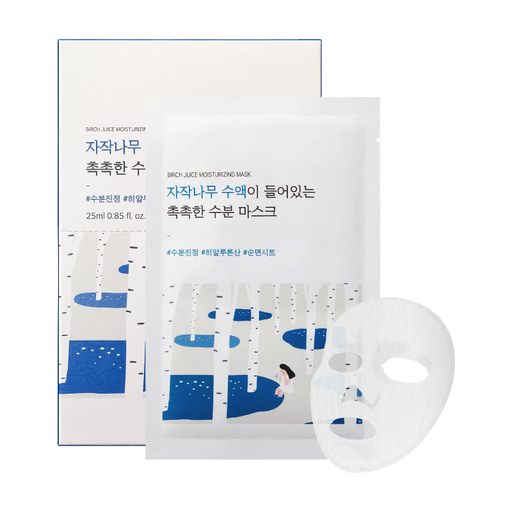
Why it suits this profile: A set of 10 sheet masks is practical for anyone wanting to try a hydrating routine without complicated steps.
The product information specifies a fixed treatment time of 10 minutes. The ingredients list includes glycerine, birch sap and sodium hyaluronate, among other ingredients.
10 individual masks; short application time; hydrating ingredients in the formula.
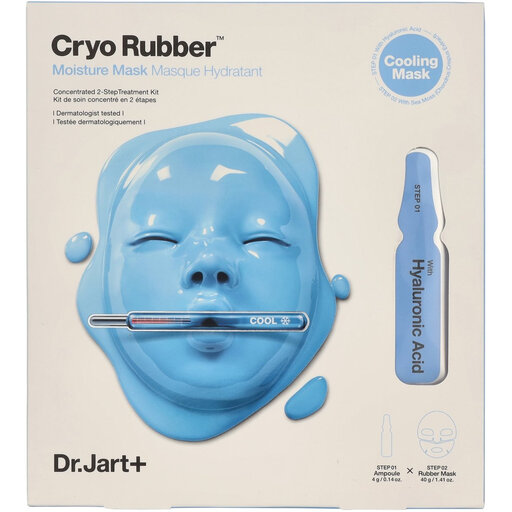
Why it suits this profile: The two-step format is ideal for a planned evening skincare session when you want to take extra time to hydrate your skin.
The recommended application time of 30 to 40 minutes is clearly stated. The ampoule is covered with a flexible rubber mask, so you do not have to guess how to combine the two steps.
Two ampoules; hyaluronic acid and glycerine; rubber sealing layer.
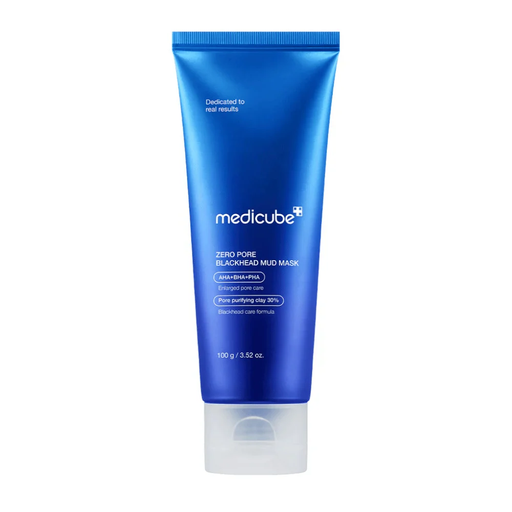
Why it suits this profile: Designed for users who mainly want to tackle sebum, blackheads and visible pores with a washable clay mask.
The instructions recommend using it for around 3 minutes, 1 to 2 times a week. The formula contains several types of clay as well as AHA, BHA and PHA, making it important to build up use gradually and carefully.
Wash-off formula; kaolin and bentonite; contains salicylic acid, glycolic acid and gluconolactone.
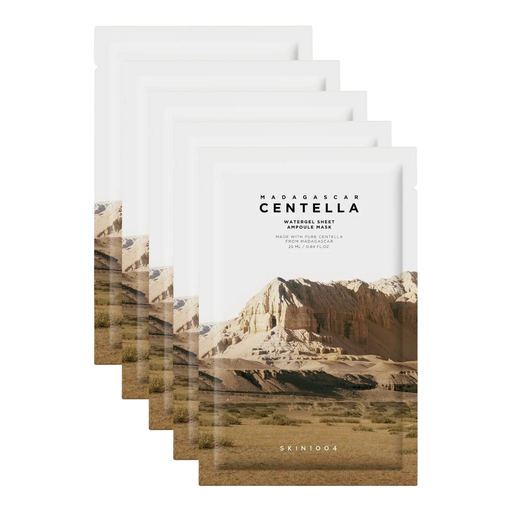
Why it suits this profile: The short treatment time and focus on centella asiatica suit a simple routine for anyone looking for a soothing and hydrating mask.
The product description states an application time of 15 to 20 minutes and does not mention artificial fragrances. If you have allergies, still check the current packaging.
5 pieces; water-gel sheet; centella asiatica listed as a prominent ingredient.
We have put together a complete, up-to-date list of products that fully meet these strict selection criteria and the applicable European safety regulations.
Do not combine several highly active products at the same time if your skin is not used to them. For example, do not use a clay mask immediately after an exfoliant if your skin is quick to react.
That depends on the type. A hydrating sheet mask may suit some users several times a week. A clay mask for pores or a mask containing acids is generally used less often. Always follow the manufacturer’s instructions and pay attention to how your skin responds.
Check the expiry date, batch information and any period-after-opening symbol on the packaging. Store a mask somewhere cool and dry, away from direct sunlight. Close an opened jar carefully; ideally, use individual sheet masks immediately after opening.
Choose a simple formula and avoid ingredients that have caused you sensitivity in the past. Pay particular attention to fragrance, limonene, essential oils, retinol and exfoliating acids. Test a new product on a small area of the body first and do not use it on damaged skin.
