
Vandaag of morgen in huis

Kwaliteit gegarandeerd

Welkomstaanbiedingen ontgrendelen: GRATIS bezorging | Tot 80% korting | Gratis 30 dagen JoyPlus-proefperiode
Download de app
A face mask may seem like a simple purchase, but products vary considerably in texture, ingredients, wear time and pack size. A sheet mask for a quick evening routine works differently from a hydrogel mask designed to be left on for hours. Clay masks and hydrating face masks also serve different purposes.
If you focus only on words such as “glow”, “firming” or “pore minimising”, you risk paying for a promise that does not suit your skin or routine. Instead, pay close attention to the product information you can verify.
Terms such as “anti-ageing face mask”, “glass skin” and “brightening mask” often describe how a product is positioned. They do not guarantee a lasting cosmetic effect. According to the brand’s own research, 100% of the 20 participants reported a more radiant appearance and firmer-feeling skin with certain masks. This is information about the brand’s research, not automatically a result that every user can expect.
Therefore, look at the formula. For example, glycerine, panthenol and hyaluronic acid are relevant for hydration, while kaolin and bentonite are commonly found in clay masks.
A sheet mask is often used for 15 to 20 minutes. Some hydrogel masks, such as Biodance and variants, are designed to be worn for 2 to 3 hours or even overnight. Leaving a mask on for longer than stated on the packaging can become uncomfortable or cause it to dry out.
Always check the official instructions for use. Wearing a mask for longer does not automatically mean a stronger effect.
A mask for sensitive skin is not necessarily free from ingredients that could cause irritation for you. For example, the Dear, Klairs mask is described as fragrance-free, but its ingredients list does include tea tree leaf oil and limonene. The latter is a known fragrance allergen listing.
If you have sensitive skin, read the full ingredients list, carry out a patch test if appropriate, and do not use a mask on damaged or irritated skin. Stop using it if you experience a burning sensation, rash or increasing redness.
For a hydrating face mask, glycerine, betaine, panthenol and different forms of hyaluronic acid are useful ingredients to look out for. Ceramides and cholesterol are found in formulas focused on supporting the skin barrier.
A soothing face mask may contain centella asiatica, allantoin or dipotassium glycyrrhizate. However, with centella masks, check the complete formula; “centella” on its own does not tell you how high the concentration is or which other ingredients have been added.
Ingredients such as niacinamide and vitamin C are often used to promote a radiant appearance. Product claims about reducing blemishes, redness or wrinkles should not be treated as guaranteed results. A cosmetic mask may temporarily leave your skin feeling smoother or more hydrated, but it is not a substitute for dermatological treatment.
Do not compare only the price of one pack; also consider the price per mask. A pack of 10 sheet masks may be appealing for regular use, while a set of 3 or 4 intensive hydrogel masks may be better suited to a weekly routine.
Also check the expiry information on the packaging. Store unused masks in a cool, dry place away from direct sunlight. An opened, single-use mask should not be used again.
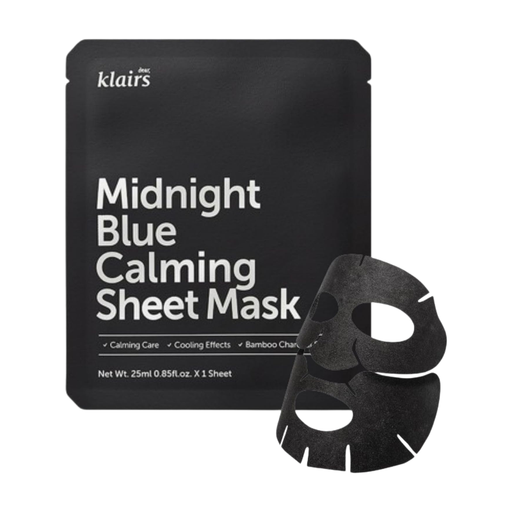
Why it suits this profile: The pack contains 10 sheet masks of 25 ml each. This makes it easy to build a simple routine without immediately choosing a complicated two-step mask.
The wear time is clearly stated: 15–20 minutes. The ingredients list and limonene warning are provided, so you can check in advance whether the formula suits you.
Rayon sheet, erythritol, glycerine, centella asiatica and allantoin; described as vegan and free from artificial colourings according to the product description.

Why it suits this profile: The set of four hydrogel masks is designed for an intensive skincare session with a longer wear time than a standard sheet mask.
The product information states that the mask can be used for 3–4 hours during the day or overnight. This makes it easy to plan your routine in advance.
Contains panthenol, several forms of hyaluronic acid and ceramides, among other ingredients. The hydrogel texture is designed for prolonged contact with the skin.
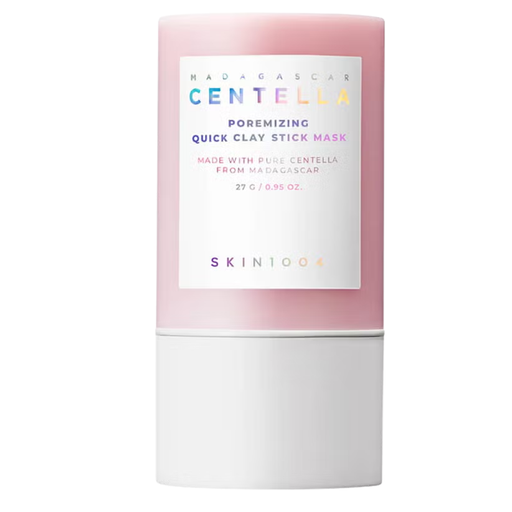
Why it suits this profile: The stick format is ideal if you want to apply a clay mask to specific areas or avoid making a mess, such as on the T-zone.
Unlike a leave-on hydrogel, this is a clay mask that is applied directly. However, check the packaging for the exact wear time and rinse the product off according to the instructions.
Practical stick packaging, suitable for various skin types according to the product listing and designed to care for the appearance of pores.
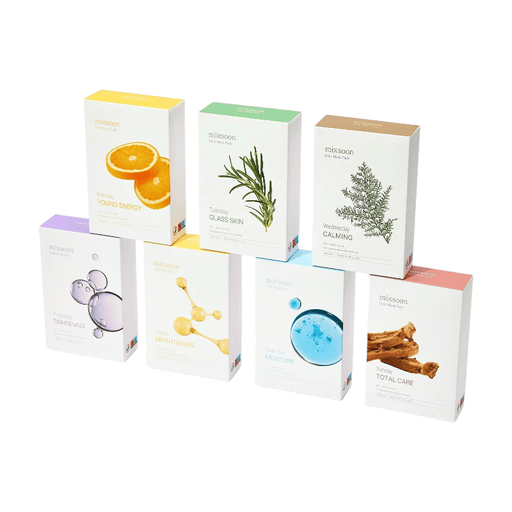
Why it suits this profile: The pack contains 10 masks with different themed formulas, including calming, brightening and moisture. This is practical if you want to try several options.
The different variants are described by day and purpose. Pay particular attention to the Thursday variant, which lists retinol, and follow the warnings on the packaging.
10 sheets of 20 ml, with ingredients including niacinamide, panthenol, centella and hyaluronic acid across the different formulas.
We have put together a complete, up-to-date list of products that fully meet these strict selection criteria and the applicable European safety regulations.
If you have sensitive skin, it is best to test a mask on a small area of skin first. Do not use several new active products at the same time, so that you can more easily identify what has caused a reaction.
This depends on the type and formula. A simple hydrating sheet mask can form part of a regular routine, while a clay mask or intensive hydrogel mask may not need to be used as often. Follow the instructions on the packaging and pay attention to how your skin reacts.
Check the expiry date, batch information and any period-after-opening symbol on the packaging. Store unopened packaging in a cool, dry place. A single-use sheet mask or hydrogel mask must not be applied again after use.
The cost varies according to the size and pack format. Divide the purchase price by the number of individual masks to compare multipacks fairly. Also consider how often you intend to use it: a set of four intensive masks may cost more per use than a pack of ten simple sheets, but may need to be applied less frequently.
