
Vandaag of morgen in huis

Kwaliteit gegarandeerd

Welkomstaanbiedingen ontgrendelen: GRATIS bezorging | Tot 80% korting | Gratis 30 dagen JoyPlus-proefperiode
Download de app
Face masks can be a handy addition to your routine, but the choice is vast. A sheet mask, clay mask, overnight mask or collagen mask each has a different texture, wear time and formulation. If you only look at words like “intensive”, “glow” or “firming”, you can easily end up paying for a promise that doesn’t really suit your own skin.
The main pitfalls to watch out for:
For a face mask for dry skin, humectants and emollient ingredients are practically relevant. Think of glycerine, sodium hyaluronate, ceramides, panthenol or plant oils. A rich night-time formula, such as an overnight mask, often fits better into an evening routine than a quick rinse-off mask.
A face mask for sensitive skin requires more scrutiny. Check whether the product contains perfume, limonene, linalool, citrus oil or other fragrance components. “Fragrance-free” also doesn’t mean a formula is problem-free for everyone. If in doubt, first test a small amount on an inconspicuous area.
For oily or blemish-prone skin, a clay mask or pore mask can be of interest. Kaolin and bentonite are known as absorbent clays. That doesn’t mean pores become permanently smaller. Your skin may look temporarily cleaner or less shiny after use. Use a formula with acids carefully and follow the indicated leave-on time.
For dull or mature skin, an anti-ageing face mask or collagen mask is often offered. Check what’s actually in it. Collagen in a cosmetic formula is not the same as a medical treatment or proof of lasting skin firming. Claims about elasticity or a more youthful appearance are generally brand claims; according to a brand’s own research, results may have been measured under specific conditions and are not automatically the same for every user.
For dry, coloured or brittle hair, choose a hair mask with conditioning ingredients such as cetearyl alcohol, behentrimonium chloride, glycerine or oils. Apply it mainly to the lengths and ends. A hair mask is not a substitute for a haircut or professional treatment, but it can make hair feel temporarily smoother and easier to comb through.
A 90 ml pot may seem good value, but the cost per use depends on how much you need. A sheet mask is usually single-use and contains, for example, 20 to 25 ml of essence. A hydrogel mask can be worn for several hours, while a clay mask often needs to be rinsed off after 5 to 10 minutes.
Also check whether the product contains one piece or multiple pieces. The Dear, Klairs Midnight Blue Calming Sheet Mask, for example, is described as a pack of 10 masks of 25 ml each. That makes the price per use easier to compare with a single sheet.
Read the full ingredients list and safety information on the product page and packaging before you buy. Extra caution is advisable with retinol, AHA, BHA, PHA, essential oils or perfume. Do not use a new product on damaged or irritated skin, and stop if you experience a burning sensation, swelling or a rash.
Also look out for shelf life, batch information and packaging variations. Some items may be supplied in old or new packaging. The Shiseido Tsubaki formula, for example, is offered in 430 ml or 490 ml, with the version sent at random. That’s relevant information if you’re expecting a specific size.
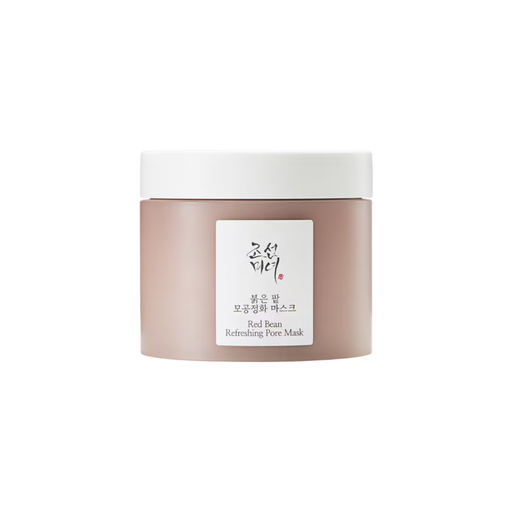
Why this suits the profile: This clay mask is designed for a short cleansing routine. The indicated leave-on time is 5 to 10 minutes, making it suitable for use on, for example, the T-zone.
The wear time is clearly stated. Rinse off the mask before it becomes completely hard and tight, especially if your skin tends to feel dry quickly.
Contains kaolin, red bean powder and glycerine; the tube contains 140 ml and is intended for rinsing off after use.
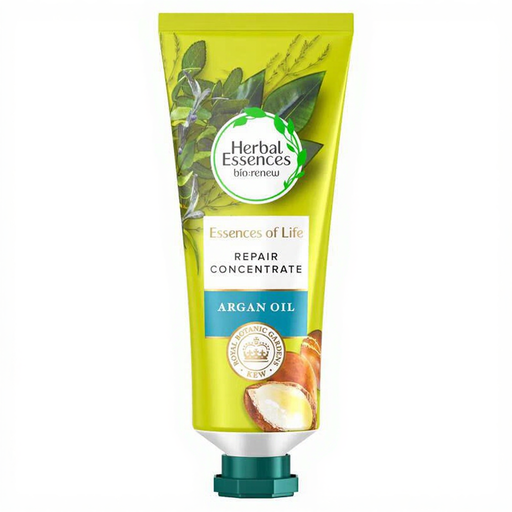
Why this suits the profile: This compact hair mask is designed for dry, coloured or brittle hair and, thanks to its size, fits easily into a weekend bag or wash bag.
The packaging states a clear leave-on time of 5 to 10 minutes. Do note the perfume, benzyl alcohol, linalool and hexyl cinnamal in the ingredients list.
Contains argan oil and glycerine; the tube contains 25 ml and is intended for application to damp hair, especially on the lengths and ends.
We’ve put together a full, up-to-date list of products that fully meet these strict selection criteria and comply with current European safety regulations.
That depends on the type. A hydrating face mask can be suitable for many people once to several times a week. A clay mask or pore mask is best used less often if your skin tends to feel tight quickly. Always follow the instructions on the packaging and don’t automatically combine active formulas on the same evening.
Many sheet masks are removed after about 15 to 20 minutes. Don’t leave the mask on until it feels completely dry. For a hydrogel or collagen mask, the instructions may be different; some variants are designed for several hours and become transparent during wear.
A multi-pack often has a lower price per use, but only if you use the masks regularly and the ingredients suit your skin well. Compare the number of pieces, the amount of essence per mask and the shelf life information. A single pack is more convenient when you want to try a new formula first.
