
Vandaag of morgen in huis

Kwaliteit gegarandeerd

Welkomstaanbiedingen ontgrendelen: GRATIS bezorging | Tot 80% korting | Gratis 30 dagen JoyPlus-proefperiode
Download de app
A face mask can be a simple addition to your skincare routine, but choosing one is less straightforward than packaging often suggests. Are you looking for a clay face mask, a pore-cleansing mask, a blackhead mask or perhaps a hydrating face mask? Then you need to look beyond the colour, fragrance or promise on the front.
The right choice mainly depends on your skin type, the ingredients, the application time and the amount of product. As a Joybuy Product Recommendation Officer, I have outlined the key points below so you can compare your options more effectively.
A clay mask can leave your skin feeling tight once it has dried. This mainly means that the product has dried and reduced moisture on the surface of the skin. It does not guarantee that pores will become permanently smaller or that blackheads will disappear. Instead, look at the specific ingredients, such as kaolin, bentonite, charcoal or other types of clay, rather than focusing only on terms such as “pore tightening”.
A face mask for oily skin is sometimes used several times a week, including on areas where the skin is not oily. This can leave your skin feeling unnecessarily dry. How often you should use a mask varies by formula: some products recommend once or twice a week, while others are suggested as a special treatment two or three times a week. Always follow the label and adjust the frequency to suit your skin’s tolerance.
Korean skincare includes a wide range of formulas, from a clay wash-off mask to an essence-infused sheet mask and a hydrogel mask. Natural extracts or fragrances may also be less suitable for some users. Check the full ingredients list, especially if you have sensitive skin or known allergies.
A sheet mask is generally intended for single use. A pot, tube or stick can provide several applications, but requires extra attention to hygiene and sealing the packaging properly.
A mask that takes three to five minutes to work is easier to fit into a busy morning or evening routine than a product that needs to be left on for fifteen to twenty minutes. A clay stick can be applied directly without getting the product on your hands. A modelling mask requires mixing and removal, but can be an appealing option for a more extensive pampering session.
Always rinse off a wash-off mask with lukewarm water and avoid the eye and lip area. Do not leave a clay mask on until it is unnecessarily cracked or pulling at the skin. If you experience burning, itching, swelling or noticeable redness, remove the product and stop using it. A patch test is advisable if you have sensitive skin.
A 15 ml pack is useful if you want to try a product first. A 120 or 140 ml pot may offer better value if you use it regularly, but only if your skin tolerates the formula well. With sheet masks, the number of pieces is important: four masks in one box are practical for a regular routine, while a single mask is suitable for trying out a formula.
Also check the official packaging for the expiry date, batch information and complete instructions for use. Product information may vary between packaging or markets.
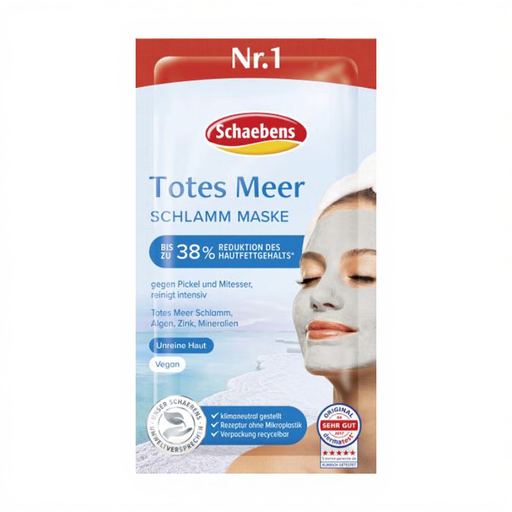
Why it suits this profile: The small pouch is practical if you want to try a clay mask without immediately buying a large pack. The product information lists Dead Sea mud, kaolin, aloe vera and chamomile extract.
The size limits waste and makes it easier to assess your skin’s tolerance first.
15 ml; pouch packaging; recommended application time of 10–15 minutes.

Why it suits this profile: This hydrogel mask is designed to support skin hydration. The ingredients list includes glycerine, panthenol, hyaluronic acid and several ceramides.
The ingredients and mask type make it clear that this is not a drying clay mask for sebum control.
4 pieces of 34 g; hydrogel texture; hyaluronic acid and ceramides in the formula.
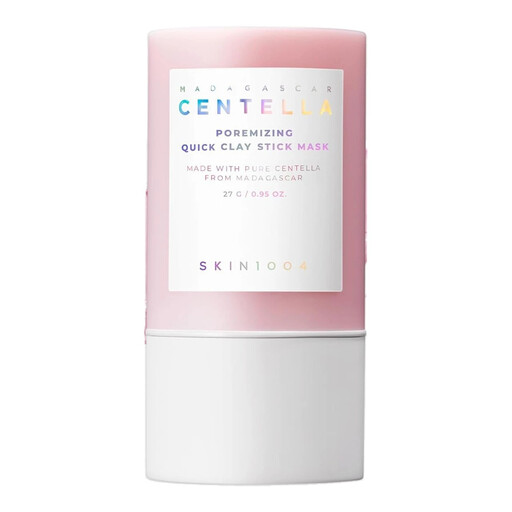
Why it suits this profile: The stick format is designed for quick, targeted application. The product description lists five types of clay, including kaolin, as well as centella asiatica.
The stated application time of 3–5 minutes helps prevent leaving it on for too long. Seal the stick properly after use.
27 g; direct application; five listed types of clay; suitable for targeted application.
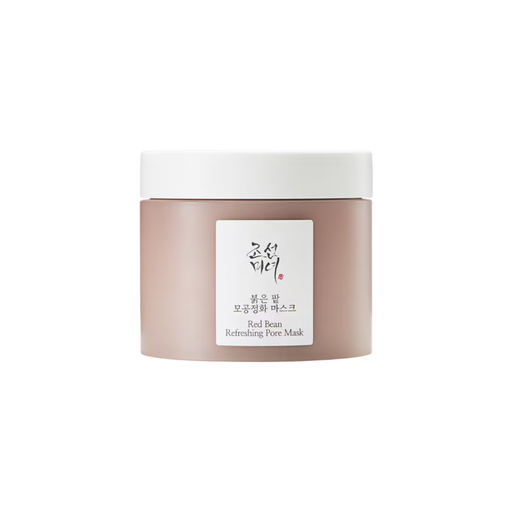
Why it suits this profile: This wash-off mask combines kaolin with red bean powder and red bean extract. According to the product description, it is intended for cleansing, gentle exfoliation and hydration.
The product’s purpose is clearly described: cleansing and hydrating. Do not expect a universal solution for every skin concern.
140 ml; tube; kaolin; red bean powder; stated as suitable for all skin types.
With a sheet mask, gently massage the remaining essence into your skin. A sheet mask is for single use and should not be applied again.
We have put together a complete, up-to-date list of products that fully meet these strict selection criteria and the applicable European safety regulations.
This depends on the type of mask and the instructions on the packaging. A clay mask or pore-cleansing mask is often used once or twice a week. Some products recommend using them two or three times a week. A hydrating sheet mask may be used more frequently as part of the stated routine, but always check the product instructions.
A face mask for oily skin often contains absorbent ingredients such as kaolin, bentonite or charcoal. If you have combination skin, you may wish to apply it only to the T-zone. Oily skin can also be dehydrated, so do not automatically choose the most drying formula.
Check the expiry date, batch information and period-after-opening symbol on the packaging. Seal pots, tubes and sticks properly after use and store them in a cool, dry place away from direct sunlight. Do not use a mask if its smell, colour or texture changes noticeably.
