
Vandaag of morgen in huis

Kwaliteit gegarandeerd

Welkomstaanbiedingen ontgrendelen: GRATIS bezorging | Tot 80% korting | Gratis 30 dagen JoyPlus-proefperiode
Download de app
A face mask can be a simple addition to your at-home skincare routine. However, it is not always clear which product is right for you. Sheet masks, hydrogel masks and clay masks work in different ways. A long ingredients list or promise such as “glass skin” does not, in itself, say much about how easy the product is to use or whether it is suitable for your skin.
The most common purchasing mistakes are:
A sheet mask is a pre-shaped sheet soaked in essence. It is practical for a short skincare routine and usually does not require rinsing. A hydrogel mask often fits closely to the skin and feels moist while you use it.
A clay mask, such as a pore-cleansing mask, should be rinsed off after the recommended application time. Kaolin, bentonite and charcoal are often mentioned in product descriptions for absorbing excess sebum and removing impurities. This type is not automatically suitable for dry or sensitive skin.
A peel-off mask forms a film that you remove once it has dried. Check whether your skin can tolerate this type of treatment and avoid the eye and lip area.
Common ingredients in a hydrating face mask include glycerine, hyaluronic acid and sodium hyaluronate. They are used in formulas designed to leave the skin feeling moisturised.
If you are looking for a soothing face mask, you may wish to look for ingredients such as panthenol, allantoin, dipotassium glycyrrhizate or Centella asiatica. According to the product descriptions from various brands, these ingredients are used in formulas designed to create a more comfortable skin feel. This is not a guarantee of individual results.
A niacinamide mask may be worth considering if you want to address a dull appearance or uneven skin tone. Niacinamide is found, for example, in Some By Mi masks and the GIK collagen mask. When choosing a collagen face mask, it is sensible to focus primarily on the complete formula, texture and recommended application time. Cosmetic product claims about firmness or wrinkles are brand claims and should not be interpreted as medical effects.
If you are choosing a face mask for sensitive skin, a patch test is a practical precaution. Apply a small amount or part of the product to your wrist or behind your ear, then wait as instructed on the product packaging.
Also check:
According to the product information, the Some By Mi Retinol Intensive Mask contains retinol 0,1% and retinal. The packaging also states that retinol may increase sensitivity to sunlight and that it should be introduced gradually and carefully. If you are pregnant, planning to become pregnant or breastfeeding, you are advised to consult a healthcare professional. The Some By Mi Galactomyces mask contains citric acid, vitamin C, bergamot oil and lavender oil, among other ingredients; check the ingredients if you are sensitive to acids or fragrances.
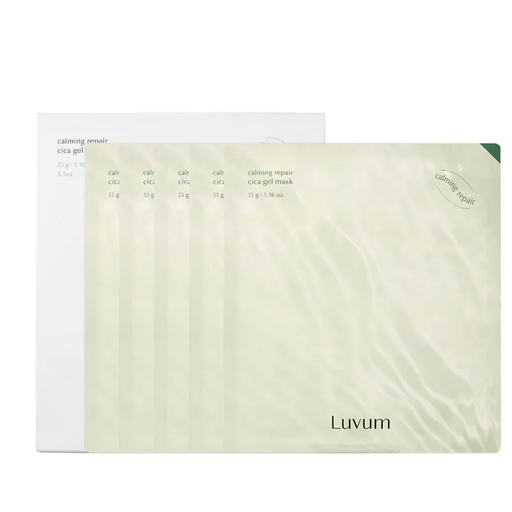
Why it suits this profile: A straightforward pack containing five gel masks, with an application time of 15–20 minutes, is ideal if you want to try a Korean face mask routine first.
The product information clearly states that there are five sheets, that they should be left on for 15–20 minutes and that they can be used two to three times a week. This makes the routine easy to plan.
Gel texture with Centella asiatica, glycerine and hyaluronic acid; no need to buy a large supply.

Why it suits this profile: This hydrogel mask is a good choice for shoppers looking for a product containing Centella asiatica and a clearly defined 15–20-minute skincare session.
The product page lists the ingredients and states that the mask is for single use. You therefore do not have to guess whether it can be reused or how long it can be stored after opening.
Pack of five; Centella asiatica extract, glycerine and several forms of hyaluronic acid according to the ingredients list.
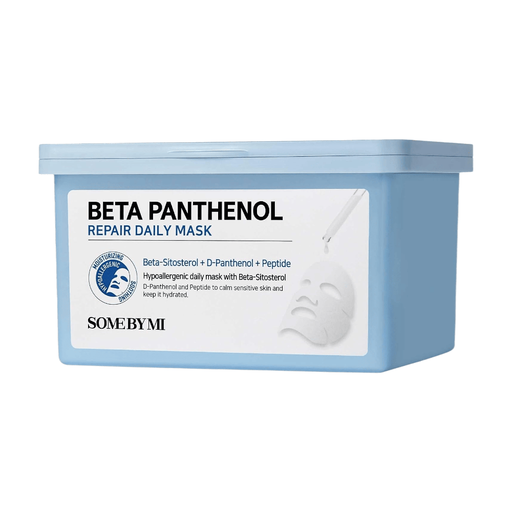
Why it suits this profile: The pack of 30 sheets is designed for users who want to follow a regular daily face mask routine.
The product information states that it should be used for 10–20 minutes, applied daily and stored in resealable packaging. This makes the frequency of use and storage requirements clear.
According to the ingredients list, it contains panthenol, niacinamide, ceramide NP and several forms of hyaluronic acid; 30 single-use sheets.
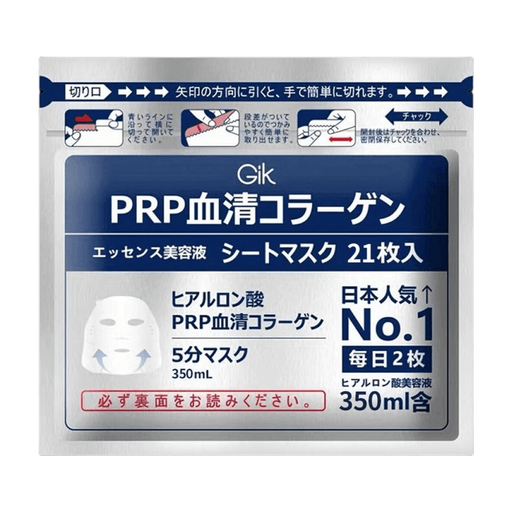
Why it suits this profile: A good option if you want to compare a larger supply with a formula containing collagen, niacinamide, squalane and sodium hyaluronate.
The product information gives an application time of five minutes and recommends a patch test for sensitive skin. This helps prevent leaving the mask on for too long.
21 sheets per pack; collagen, niacinamide, squalane and hyaluronic acid according to the stated ingredients list.
We have put together a complete, up-to-date list of products that fully meet these strict selection criteria and the applicable European safety regulations.
This depends on the product type and the instructions. The Luvum Cica gel mask states that it should be used two to three times a week, while some daily sheet masks are intended for everyday use. A clay mask or a mask containing retinol, acids or vitamin C requires closer attention to how your skin reacts. If in doubt, start by using it less frequently.
Follow the instructions on the packaging. Many sheet masks in this range state 10–20 minutes, while the GIK mask specifies five minutes. Leaving it on for longer is not automatically beneficial and may feel uncomfortable when the mask dries out. Remove the sheet afterwards and gently pat the remaining essence into your skin.
The expiry date and batch number are shown on the product packaging. Store unopened masks in a cool, dry place, away from direct sunlight and high temperatures. A pack containing multiple sheets should be closed securely to help prevent them from drying out. Do not reuse a mask if it is marked for single use.
