
Vandaag of morgen in huis

Kwaliteit gegarandeerd

Welkomstaanbiedingen ontgrendelen: GRATIS bezorging | Tot 80% korting | Gratis 30 dagen JoyPlus-proefperiode
Download de app
A face mask can be a practical addition to your skincare routine at home. However, it is not always easy to see past terms such as “intensive”, “pore-refining” and “anti-ageing”. An expensive mask is not automatically suitable for your skin type, and a sheet mask is not always the right choice for oily or blemish-prone skin.
Pay particular attention to the formula, how long it should be left on, the packaging and any potentially irritating ingredients. Below, you can find out which common pitfalls to avoid, which features to check and which popular choices suit different user profiles.
Brands often use powerful terms relating to hydration, pores and skin firmness. According to a brand’s own research, certain ingredients or formulas may produce a particular result, but this is not a guarantee for every user. A face mask can temporarily leave your skin feeling more comfortable, softer or fresher. It does not permanently change the structure of your skin.
When considering claims about an anti-ageing face mask, look for verifiable information such as the ingredients included, the number of masks per pack and the recommended application time.
A clay face mask is particularly suitable for skin that becomes shiny quickly or where excess sebum is visible. On dry or sensitive skin, a highly absorbent formula can cause tightness. A hydrating face mask containing glycerine, hyaluronic acid or panthenol is often a better match.
Do you have combination skin? Apply a clay mask only to the T-zone if appropriate, and choose a soothing face mask for drier areas. This helps prevent unnecessary stress on your entire complexion.
Longer is not automatically better. A clay mask can start to feel tight as it dries. A sheet mask can dry out if left on for much longer than stated on the packaging. Follow the instructions and stop if you experience a burning sensation, itching, swelling or pronounced redness.
Start by choosing the main purpose:
A pore-cleansing mask will not permanently make pores smaller. It can, however, help make excess sebum and surface impurities appear less visible temporarily.
A sheet mask is pre-shaped and requires little preparation. It is convenient for a short skincare routine of around 10 to 20 minutes. A hydrogel mask usually fits closely to the skin and often contains plenty of essence. Check whether the mask consists of one or two pieces; two pieces are often easier to position around the nose, chin and jawline.
A clay mask in a tube or stick is suitable for targeted use. Stick packaging limits direct contact with your hands, but close it securely after use to prevent it from drying out. Also check the size: 15 ml for individual portions, 27 g for a stick and 90 to 140 ml for a jar or tube mean different usage frequencies and costs per application.
With a face mask for sensitive skin, the complete ingredients list is more important than one prominent ingredient highlighted on the front. Be particularly aware of essential oils, limonene, linalool, citrus oils, alcohol and exfoliating acids such as salicylic acid, glycolic acid and gluconolactone.
When trying a new formula, first test it on a small area of skin. Do not use a mask on damaged or irritated skin, and avoid contact with the eyes and lips. If irritation persists, it is advisable to stop using the product and seek professional advice.
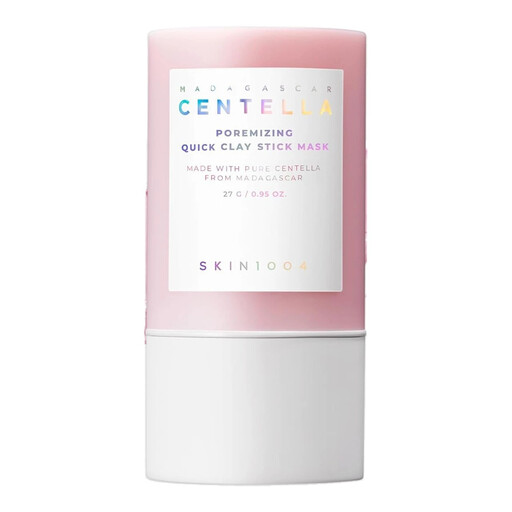
Why it suits this profile: The stick format is easy to apply and suitable for anyone trying a clay mask for the first time or wanting to treat only the T-zone.
The product description lists five types of clay, including 18% kaolin, and recommends leaving it on for 3 to 5 minutes. This keeps the application straightforward.
27 g contents, direct application without using your hands and several mineral clays in the ingredients list.

Why it suits this profile: This hydrogel mask is suitable for users who prefer a longer skincare session to a quick sheet mask routine.
The packaging states that it contains four 34 g masks and can be used for 3 to 4 hours during the day or overnight. This makes it easy to plan your routine.
Hydrogel texture, four individual masks and ingredients such as panthenol, ceramide NP and various forms of hyaluronic acid.
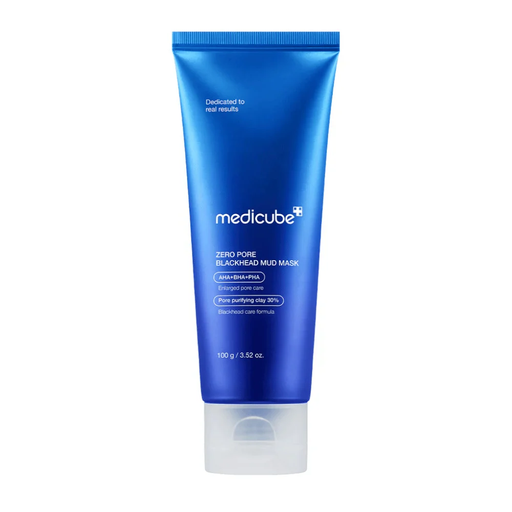
Why it suits this profile: This option is aimed at shoppers who want to include a formula for visible blackheads and pores in an established Korean skincare routine.
The instructions recommend leaving it on for around 3 minutes and using it 1 to 2 times a week. The formula contains acids and citrus oils, so a patch test and gradual introduction are important.
Kaolin and bentonite feature prominently in the ingredients list; the formula also contains salicylic acid, glycolic acid and gluconolactone.
We have put together a complete, up-to-date list of products that fully meet these strict selection criteria and the applicable European safety requirements.
That depends on the formula. A clay mask is often used once or twice a week, while a hydrating sheet mask may be suitable for more frequent use according to the product instructions. Start gradually and watch for tightness, redness or irritation.
Always follow the instructions on the packaging. Many sheet masks should be left on for 10 to 20 minutes. Clay masks can often be rinsed off after just 3 to 10 minutes. A hydrogel mask designed for extended use will have different instructions.
Calculate the cost per application by dividing the purchase price by the number of individual masks or the expected number of applications. A jar may sometimes seem better value, but a sheet mask multipack can make it easier to measure out each use precisely. Also check the expiry and storage guidance on the packaging.
