
Vandaag of morgen in huis

Kwaliteit gegarandeerd

Welkomstaanbiedingen ontgrendelen: GRATIS bezorging | Tot 80% korting | Gratis 30 dagen JoyPlus-proefperiode
Download de app
A face mask may seem like a simple purchase, but the range varies considerably. Sheet masks, cream face masks and overnight face masks each serve a different purpose. Terms such as “intensive hydration”, “firming” and “repair” only mean something when you consider the formula, application time and skin compatibility.
Words such as “anti-ageing”, “firming” or “repairing” do not guarantee that your skin will look visibly different. According to a brand’s own research or claims, certain results may have been observed under specific conditions. Those results will not automatically be the same for everyone.
So look for verifiable information:
A rich cream face mask can feel pleasant on dry skin, but may be less convenient if you are used to a lightweight routine. A sheet mask usually provides a short, intensive skincare step, while an overnight face mask stays on for longer.
Also consider how practical it is to use. A wash-off mask takes time to apply and rinse off. A leave-on formula is more convenient on an evening when you have little time, but may feel less comfortable if you do not like a heavier layer on your skin.
A face mask for sensitive skin requires extra attention to fragrance and essential oils. A product may be described as suitable for sensitive skin, but individual reactions are still possible. Always check the current ingredients list on the packaging and stop using the product if irritation occurs.
Start by choosing one main goal. For a face mask for dry or dehydrated skin, ingredients such as glycerine, hyaluronic acid, panthenol and certain oils are commonly worth looking for. Ceramides are often used in formulas designed to support the skin barrier.
With a soothing face mask, you might look for ingredients such as centella asiatica, cica, panthenol or heartleaf. According to brands’ product descriptions, these ingredients may help support a comfortable feeling on the skin. This does not constitute a medical effect and is not a substitute for advice from a doctor or dermatologist.
Anti-ageing face masks may contain ingredients including adenosine, peptides and niacinamide. Assess these products based on the complete formula rather than one standout ingredient.
A sheet mask is generally individually packaged and suitable for a short treatment. Cream or gel masks often come in a tube or jar and may provide multiple applications. Check:
An overnight face mask is usually applied as the final step in your evening routine. For example, Laneige states that the Elasticity & Firming Sleeping Mask should be applied to a cleansed face and neck and can be left on overnight. Always follow the packaging instructions, particularly if the ingredients list has been updated.
Do not use several intensive treatments at the same time without checking the ingredients. Combining an exfoliating mask with several active serums may feel uncomfortable for some skin types. For sensitive or dry skin, a simple routine is often easier to manage: cleanse, apply the mask as directed and follow with a suitable moisturiser.
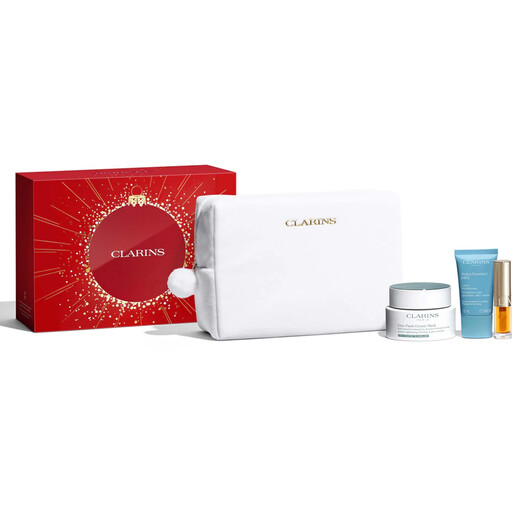
Why it suits this profile: This face mask skincare set combines a 75 ml mask with a 15 ml Hydra-Essentiel cream and a 1.4 ml Lip Comfort Oil.
The contents of the set are clearly specified. This means you are not just paying for a striking name—you can see which additional products are included.
75 ml mask; additional cream and lip oil; suitable as a weekly intensive skincare step according to the product description.
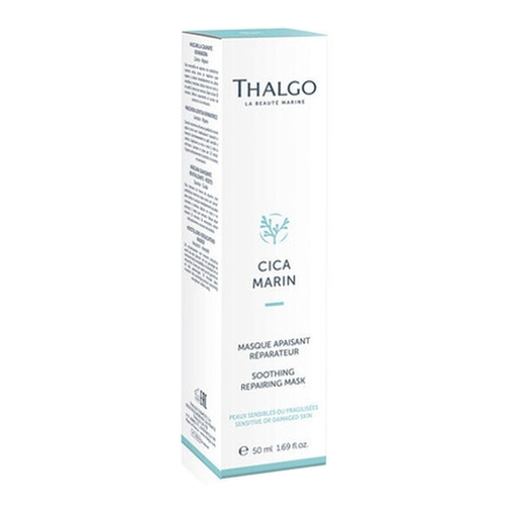
Why it suits this profile: A cream formula with cica and marine ingredients for shoppers specifically looking for a soothing face mask for sensitive or stressed skin.
The instructions specify an application time of 10–15 minutes and one to two applications per week. This removes any uncertainty about how often to use it.
50 ml; creamy formula; cica and marine ingredients according to the product description; tube packaging.
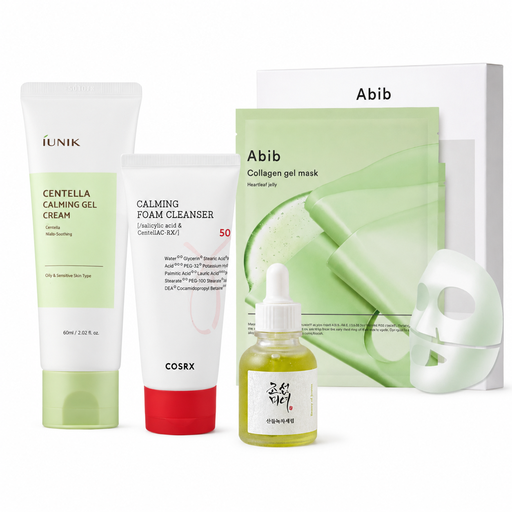
Why it suits this profile: This Korean face mask set contains a cleanser, serum, gel cream and 10 Abib sheet masks for a complete routine.
The set clearly states which products and quantities are included. This lets you assess the complete routine rather than just the mask.
Four product categories; 10 sheet masks; ingredients including centella asiatica, green tea, panthenol and heartleaf according to the product description.
We have put together a complete, up-to-date list of products that fully meet these strict selection criteria and the applicable European safety regulations.
You can usually fit a hydrating face mask into your routine once or twice a week. With a sheet mask, it is important that the fabric does not dry out completely on your skin. Also check the shelf life, batch information and period after opening.
Many cream and wash-off masks are intended for use once or twice a week. The right frequency depends on the formula and how your skin feels. Follow the brand’s usage instructions and reduce use if you experience dryness or irritation.
It can be practical because an overnight mask stays on the skin for longer. Choose a formula with hydrating ingredients such as glycerine, hyaluronic acid, panthenol or squalane if they suit your routine. Dry skin will not automatically benefit from every rich formula; texture and personal tolerance remain important.
A sheet mask is a pre-shaped fabric or hydrogel mask infused with essence and is usually used for a short time. You apply a cream face mask yourself and often rinse it off after 10–15 minutes. A cream version is often more convenient when you want to control the amount and the area being treated.
