
Vandaag of morgen in huis

Kwaliteit gegarandeerd

Welkomstaanbiedingen ontgrendelen: GRATIS bezorging | Tot 80% korting | Gratis 30 dagen JoyPlus-proefperiode
Download de app
A face mask can be a simple addition to your skincare routine, but the sheer choice can make it difficult to decide. Are you looking for a hydrating face mask, a pore-cleansing mask or a Korean sheet mask? You will soon come across terms such as “lifting”, “glow” and “deep care”, without it being clear what you are actually buying.
Three common pitfalls:
The format and application time largely determine whether a mask is practical for you.
With Korean face masks, you will find plenty of variety, from a soothing face mask with centella asiatica to a brightening face mask with niacinamide. Do not just look at the country of origin; focus particularly on the ingredients, contents, portion size and instructions.
First, choose your desired skincare goal:
Also check for fragrance, essential oils and known allergens. A product may be described as suitable for all skin types, yet your skin may still react sensitively.
A sheet mask is often used for 10 to 30 minutes. A clay mask may be rinsed off after as little as 3 to 15 minutes. According to the product information, a hydrogel mask can be left on for several hours or overnight.
Wearing a mask for longer is not automatically better. Follow the packaging instructions and remove the mask if it feels uncomfortable. Do not reuse a disposable mask: this is less hygienic and may irritate the skin.
Do not just compare the price of a pack. Also consider:
A jar containing 140 or 150 ml may work out cheaper per application than individual sachets, while a pack of ten sheets is convenient for regular use. Store masks in a cool, dry place, away from direct sunlight and tightly sealed.
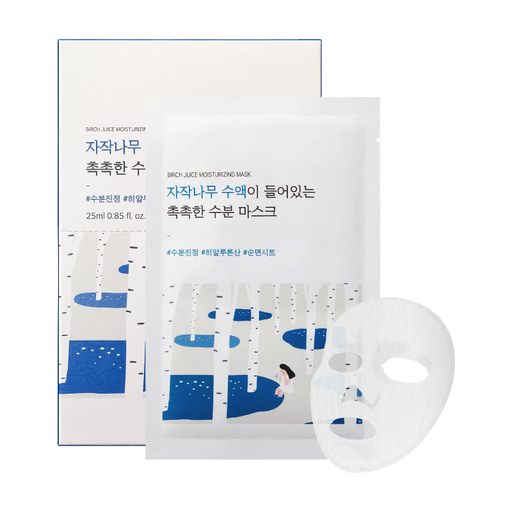
Why it suits this profile: A pack of ten sheets is practical if you want to use a hydrating face mask regularly. The stated application time is 10 minutes.
The amount per sheet and the number of pieces are clearly stated, so you can estimate the cost per use.
10 individual sheets; glycerine, panthenol and sodium hyaluronate are listed among the ingredients.

Why it suits this profile: Suitable for anyone looking for a hydrogel face mask with a longer wear time and a weekly skincare routine.
The packaging states that there are four individual masks and that they can be worn for 3–4 hours during the day or overnight.
According to the ingredients list, it contains ceramides, panthenol and several forms of hyaluronic acid, among other ingredients.
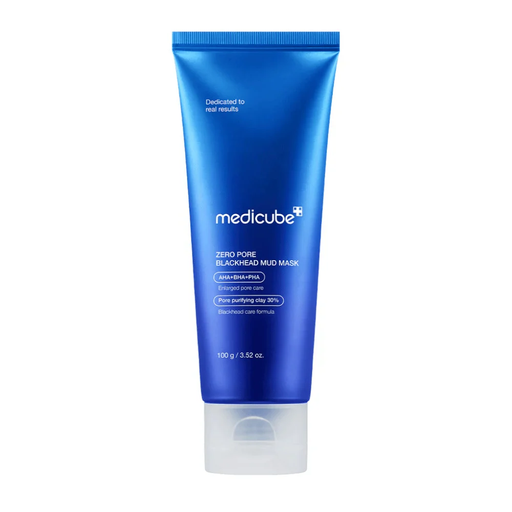
Why it suits this profile: For users specifically looking for a clay face mask, particularly to care for the T-zone.
The application time is short: around 3 minutes. The product information also warns of possible sensitivity caused by AHA, BHA, PHA and citrus oils.
Contains kaolin, bentonite, salicylic acid, glycolic acid and gluconolactone; a patch test is recommended.
Cleanse your face first, then follow the instructions for the specific product. Do not apply a clay mask around the eyes or lips. Do not use a sheet mask on damaged or irritated skin. If you have sensitive skin, it is sensible to carry out a small test on a limited area of skin.
Stop using the product if you experience redness, itching, swelling or a burning sensation. Products containing retinol, acids, essential oils or fragrance require extra care. For example, the Thursday version of the Daily Mask Pack Saturday lists retinol among its ingredients; the product information recommends using sun protection during the day.
We have put together a complete, up-to-date list of products that fully meet these strict selection criteria and the applicable European safety regulations.
This depends on the type and formula. According to the packaging, a hydrating sheet mask can be used several times a week. A clay mask or mask containing acids is usually used less often. Always follow the recommended frequency and pay attention to how your skin reacts.
A clay mask, such as a red bean or mud mask, generally needs to be rinsed off with lukewarm water. You usually leave a sheet mask or hydrogel mask on for the stated amount of time; any remaining serum can be gently patted into the skin. Check the instructions, as an overnight mask works differently from a wash-off mask.
Look for a short, straightforward ingredients list and be cautious with fragrance, limonene, linalool, essential oils and exfoliating acids. A soothing face mask containing ingredients such as panthenol, allantoin or centella asiatica may be a logical choice, but suitability varies from person to person. Test a new product on a small area of skin first and stop using it if irritation occurs.
