
Vandaag of morgen in huis

Kwaliteit gegarandeerd

Welkomstaanbiedingen ontgrendelen: GRATIS bezorging | Tot 80% korting | Gratis 30 dagen JoyPlus-proefperiode
Download de app
A face mask can be a useful addition to your skincare routine, but not every product suits every skin type. A clay mask that works well on oily skin may leave dry or sensitive skin feeling tight. Terms such as “pore-refining”, “detox” and “brightening” also say little about the formula on their own.
The most common purchasing pitfalls:
First choose the result you want, then consider the texture and ingredients.
A clay mask containing kaolin, bentonite or other types of clay is particularly practical for oily or combination skin. These ingredients can absorb sebum and dirt from the skin’s surface. It is best to apply the mask to the T-zone if your cheeks tend to feel dry more quickly.
If you are looking for a pore-cleansing face mask or a mask for blackheads, you can also look for salicylic acid, betaine salicylate or gluconolactone. These substances are used in cosmetic products for exfoliating skincare. Do not combine several exfoliating products on the same day without considering how they may interact.
A hydrating face mask often contains glycerine, hyaluronic acid, panthenol, betaine or honey. A sheet mask is easy to use and usually contains an essence that you can gently pat into the skin after removing the mask. If you have sensitive skin, also check for fragrance and essential oils.
A brightening face mask may contain ingredients such as niacinamide, rice extract, vitamin C derivatives or liquorice root. “Brightening” here means a cosmetic improvement in the skin’s appearance, not the treatment of pigmentation or a skin condition. Products containing vitamin C, retinoids or acids can increase sensitivity to sunlight, so use sun protection during the day.
A Korean face-mask routine often includes sheet masks, wash-off packs and clay masks. The main differences lie in how they are used: a sheet mask is quick and mess-free, while a wash-off mask can be applied more specifically to the T-zone. Look at the number of pieces, the amount per pack and the recommended application time rather than focusing solely on the country of origin.
Check that the formula matches your skin’s needs. For oily skin, kaolin and bentonite are logical ingredients to consider. For dry skin, glycerine, hyaluronic acid and panthenol are often more practical. For sensitive skin, a short ingredients list without fragrance or essential oils may be a more cautious choice.
A product marketed as a face mask for acne should not be viewed as a medical treatment. It may cleanse or care for the skin, but persistent spots, irritation or inflammation require advice from a GP or dermatologist.
Follow the manufacturer’s instructions. Many clay masks are intended to be left on for around 5 to 15 minutes and used once or twice a week. Sheet masks are often left on for 10 to 30 minutes. A product that can be used daily is not automatically suitable for every skin type.
Test a new product on a small area of skin first. Stop using it if you experience itching, swelling, redness or a burning sensation, and rinse the product off.
A 100 to 240 gram pot or tube is convenient if you use a wash-off mask regularly. A stick format can be less messy, but make sure you close the cap properly after use. Sheet masks are individually packaged and suitable for a set routine, but are usually intended for single use.
Also check the expiry information and batch number on the packaging. Store masks in a cool, dry place away from direct sunlight, following the instructions on the label.
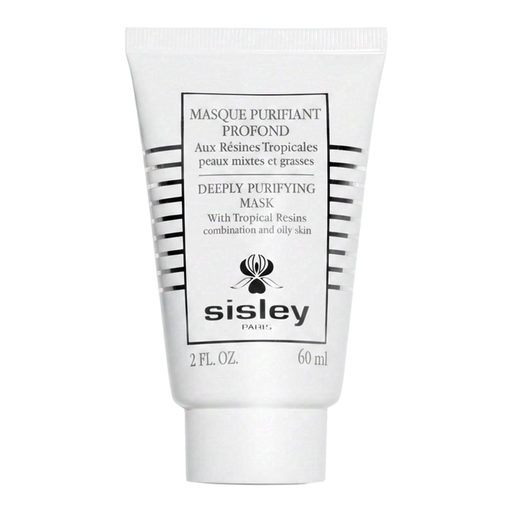
Why it suits this profile: According to the product information, the cream formula is designed for combination to oily skin and should be used once or twice a week.
The packaging states a specific application time of 10 minutes. This helps to prevent overuse.
60 ml of product; the ingredients list includes kaolin, bentonite and panthenol.
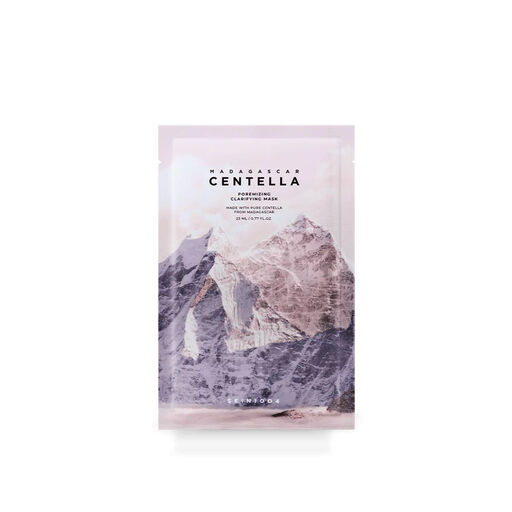
Why it suits this profile: The set contains five sheet masks for anyone looking to build a consistent Korean skincare routine.
The instructions specify 10 to 20 minutes and single use. The formula also contains AHA, BHA and PHA, so patch testing is advisable.
Five pieces per pack; the formula includes panthenol, centella asiatica and sodium hyaluronate.
We have put together a complete, up-to-date list of products that fully meet these strict selection criteria and the applicable European safety regulations.
It depends on the type. A clay mask is often used once or twice a week; some products recommend two to three times a week. A sheet mask can be used more often according to the product instructions. Always follow the packaging and adjust the frequency if your skin feels dry or irritated.
It can be, but check the ingredients. Fragrance, essential oils, acids and retinol may cause irritation for some people. Choose a short application time, test the product on a small area of skin first and do not use the mask on damaged skin.
Check the expiry date, batch information and any period-after-opening symbol on the packaging. An opened pot will not remain suitable for use indefinitely. Close it securely, avoid contact with water and store the product according to the storage instructions. Sheet masks are generally intended for single use.
