
Vandaag of morgen in huis

Kwaliteit gegarandeerd

Welkomstaanbiedingen ontgrendelen: GRATIS bezorging | Tot 80% korting | Gratis 30 dagen JoyPlus-proefperiode
Download de app
A face mask may seem like a simple purchase, but the range varies considerably. Sheet masks, clay masks and hydrogel masks each have a different purpose. If you only look at words such as “intensive”, “glow” or “detox”, you could easily buy a product that does not suit your skin or routine.
Terms such as “tightens pores”, “renews skin” or “firms instantly” sound appealing. So check the ingredients and directions for use. Hyaluronic acid, glycerine, panthenol and ceramides are often used in hydrating formulas, for example. With a clay mask, you are more likely to see kaolin, bentonite or charcoal.
However, an ingredient does not tell you exactly how your skin will react. The concentration, the complete formula and the application time also play a role. Brand promises are not a guarantee of personal results.
A sheet mask is not automatically more effective once it has dried completely. A dry sheet can actually feel uncomfortable. Follow the time stated on the packaging. Many sheet masks are used for around 10 to 20 minutes, while some hydrogel masks are designed to be worn for several hours or overnight.
A clay mask is usually left on for a shorter time. Products containing acids, such as salicylic acid, glycolic acid or gluconolactone, require extra care, particularly if you have sensitive skin.
This statement says little about your specific needs. A face mask for dry skin should primarily help retain moisture and feel comfortable. A face mask for blemishes or a pore mask often contains absorbent clay or exfoliating ingredients. These may be less suitable if your skin quickly feels tight or sensitive.
Choose your goal first, then select the product type:
A sheet mask should fit closely around the nose, eyes and mouth. A soft rayon, bamboo or cellulose fibre may feel comfortable, while a hydrogel mask is often heavier and wetter. Also check whether the mask consists of one or two pieces. Two pieces may fit different face shapes more easily.
Do not just compare the number of masks; also compare the amount of essence per mask. A tub of clay mask contains multiple applications, while a sheet mask is generally for single use. Check:
With a new product, always carry out a patch test according to the packaging. Do not use a face mask on damaged or irritated skin, and stop using it if you experience a burning sensation, rash or persistent redness.
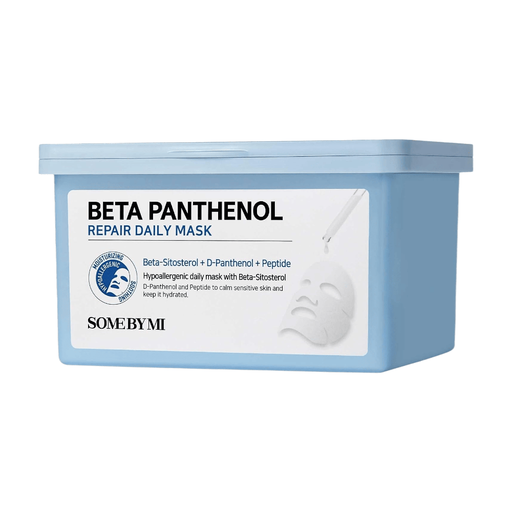
Why it suits this profile: A pack of 30 sheet masks is practical for anyone who wants to use them regularly and establish a consistent routine. According to the product information, the formula contains panthenol, glycerine, niacinamide and several forms of hyaluronic acid.
The application time is clearly stated as 10–20 minutes. However, check the complete ingredients list, as the formula also contains citric acid.
30 individual masks; panthenol, glycerine and hyaluronic acid in the ingredients list; suitable for a regular routine according to the product information.
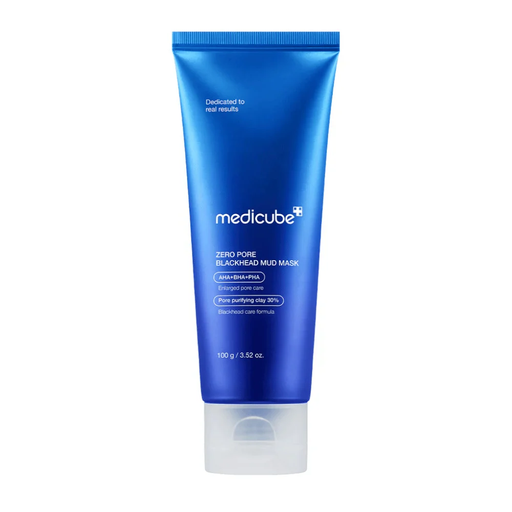
Why it suits this profile: This clay mask targets areas with visible pores or blackheads. The ingredients list includes kaolin, bentonite, salicylic acid, glycolic acid and gluconolactone.
The directions recommend around 3 minutes, once or twice a week. This helps prevent overuse. Extra care is needed for sensitive skin because of the combination of acids and citrus oils.
Clay combination with kaolin and bentonite; contains AHA, BHA and PHA; clearly stated short application time.
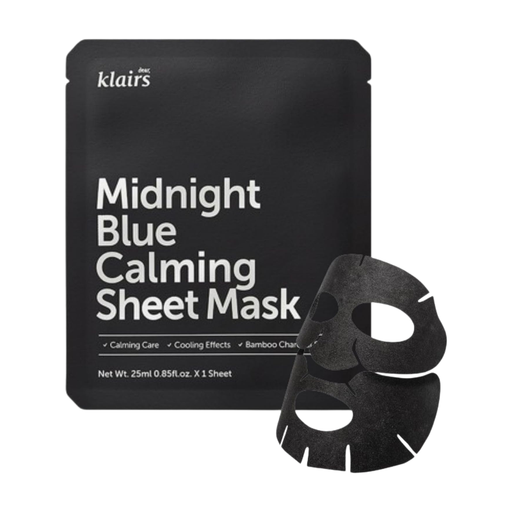
Why it suits this profile: The product information states that it has a fragrance-free formula, but the ingredients list does contain tea tree oil and limonene. Always check whether these ingredients suit your skin.
The application time is limited to 15–20 minutes and the warnings are clearly stated. A patch test is still advisable for sensitive skin.
Pack of 10 masks; rayon sheet; contains erythritol, allantoin and centella asiatica, among other ingredients.
We have compiled a complete, up-to-date list of products that fully meet these strict selection criteria and the applicable European safety regulations.
That depends on the type. A basic sheet mask is often used once or a few times a week, while a clay mask is usually sufficient once or twice a week. Always follow the packaging instructions and watch out for any tight or irritated feeling.
A sheet mask can suit dry skin when the formula contains moisture-binding ingredients such as glycerine, panthenol or hyaluronic acid. After use, you may wish to apply a moisturiser to help maintain comfort for longer. If you have sensitive skin, it is better to avoid formulas containing a lot of fragrance or essential oils.
A face mask can temporarily help remove excess sebum or leave the skin feeling clean. A clay mask or pore mask containing kaolin, bentonite or salicylic acid may be suitable for this. The effect is not permanent, and a mask does not replace a complete skincare routine.
