
Vandaag of morgen in huis

Kwaliteit gegarandeerd

Welkomstaanbiedingen ontgrendelen: GRATIS bezorging | Tot 80% korting | Gratis 30 dagen JoyPlus-proefperiode
Download de app
A face mask can be a handy addition to your skincare routine. However, not every mask suits every skin type. A sheet mask can feel soothing on dehydrated skin, while a rich nourishing face mask is better suited to dry skin. And if you’re actually looking for a hair mask, you’ll need very different ingredients and usage instructions.
The product description, ingredients list and usage time often tell you more than big marketing claims on the packaging. These checkpoints will help you avoid a bad buy.
Some hydrogel masks are designed to be left on for 2 to 4 hours, or even overnight. A classic sheet mask usually stays on for 10 to 20 minutes. Wearing it for longer can become uncomfortable when the mask dries out or if your skin reacts to an ingredient.
Always follow the manufacturer’s instructions. If a mask turns transparent, you shouldn’t leave it on indefinitely unless the packaging says otherwise.
A hyaluronic acid mask focuses mainly on humectant ingredients, according to the product description. A formula with shea butter, oils or ceramides often feels richer and may suit dry or tight skin better. On oilier skin, that kind of texture can feel heavy.
So look beyond one ingredient on the front. Check the full ingredients list and the texture that fits your routine.
A hair mask is developed for the hair fibre and often contains conditioners, oils or silicones. A face mask is formulated for facial skincare. Don’t use these products interchangeably and pay close attention to the intended area of use. Products with fragrance or known allergens, such as linalool and coumarin, deserve extra attention if you’re sensitive to them.
Also check the number of units. A set of 4 or 10 individual masks is practical if you want to use a treatment regularly. A pot of 180 or 250 ml can work out more cost-effective per use, but requires hygienic handling and a good seal.
For a mask for dry skin, look for glycerin, panthenol, hyaluronic acid, ceramides, shea butter and squalane. These ingredients are widely used in hydrating or nourishing formulas.
For a mask for sensitive skin, a short ingredients list isn’t automatically better, but it can make it easier to spot potential triggers. Centella asiatica, also known as centella, often appears in calming Korean skincare. Also check for fragrance and fragrance allergens.
A niacinamide mask can be interesting if you already tolerate this ingredient well. Niacinamide appears in various product formulas in the range. Product claims about, for example, evening out, firming or a radiant complexion come from the brand’s product description; don’t take them as a guarantee for every skin type.
Only use a mask on intact skin and avoid contact with the eyes. For products containing retinol, the product information warns of increased sensitivity to sunlight; sun protection is especially important during the day. If you have sensitive skin, a patch test is wise, particularly with products containing fragrance, tea tree oil, retinol or multiple plant extracts.
Stop using it if you experience a burning sensation, swelling, redness or a rash. Consult a doctor or dermatologist if symptoms persist.
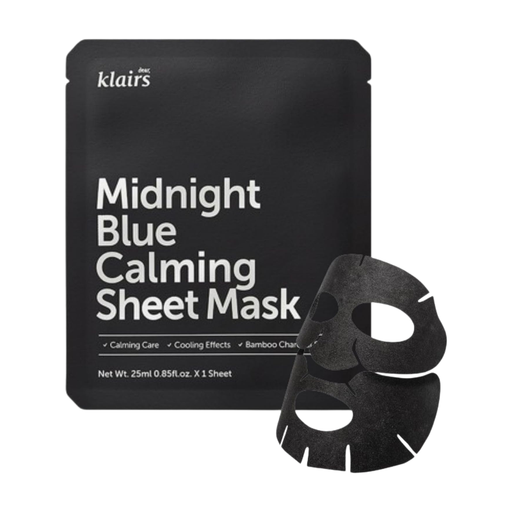
Why this fits the profile: The set contains 10 individual sheet masks of 25 ml. According to the product information, the usage time is 15–20 minutes, so you can easily start with Korean skincare without a lengthy treatment.
The clear treatment time prevents you from leaving a sheet mask on unnecessarily long. However, check the listed limonene and tea tree oil if you have sensitive skin.
10 individual masks, 25 ml each and a usage time of 15–20 minutes.

Why this fits the profile: This hydrogel face mask contains, according to the ingredients list, panthenol, several forms of hyaluronic acid and ceramides. The product information mentions use for 3–4 hours or overnight.
The packaging states a specific wear time and warns against use on damaged skin. This makes the application easier to plan than a vague “leave on for a long time”.
4 masks of 34 g; hydrogel structure; ceramides, panthenol and hyaluronic acid in the ingredients list.
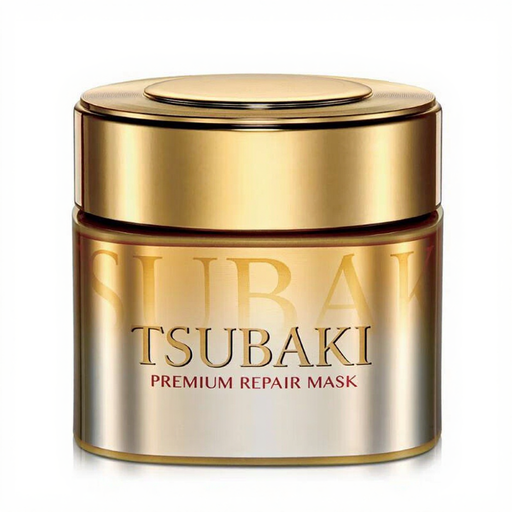
Why this fits the profile: This is a hair mask for those caring for dry, damaged or chemically treated hair. According to the product information, it is applied for 5–10 minutes and then rinsed out.
The product category and usage instructions are clearly aimed at hair care. This prevents you from using a rich hair product as a face mask.
180 g content; camellia seed oil and conditioners in the formula; intended for 1–2 applications per week.
We’ve put together a full, up-to-date list of products that fully meet these strict selection criteria and comply with current European safety regulations.
That depends on the type and formula. A sheet mask is often used once or a few times a week. According to the product instructions, a mild hydrating mask can possibly be used more often. Always follow the packaging and reduce the frequency if irritation occurs.
A sheet mask usually 10–20 minutes. A hydrogel or sleeping mask can be worn for longer according to the manufacturer, sometimes 2–4 hours or overnight. Don’t leave a mask on for longer than stated and dispose of a single-use mask after one use.
A hydrating face mask often contains humectants such as glycerin, panthenol or hyaluronic acid. A nourishing face mask usually has a richer base with, for example, ceramides, shea butter, oils or lipids. Choose based on how your skin feels, the ingredients list and the desired texture.
