
Vandaag of morgen in huis

Kwaliteit gegarandeerd

Welkomstaanbiedingen ontgrendelen: GRATIS bezorging | Tot 80% korting | Gratis 30 dagen JoyPlus-proefperiode
Download de app
A face mask can be a simple addition to your skincare routine, but the options vary widely. A sheet mask, clay mask and hydrogel mask are not used in the same way, and they don’t suit the same skin needs either. Marketing terms like “lifting”, “brightening” or “pore-minimising” don’t tell you much about the formula itself.
Instead, pay close attention to the ingredients list, the recommended wear time and the type of mask. That way, you can avoid buying a product that is too drying, feels unnecessarily fragranced, or ends up sitting unused in the cupboard after one go.
A brand might describe a mask as an anti-ageing face mask, a firming product or a treatment for a radiant complexion. These are often marketing descriptions. Instead, look for verifiable information:
For example, a collagen mask may contain hydrolysed collagen, but that doesn’t automatically mean the product will structurally change your skin. It’s better to think of it as a mask that can temporarily give a hydrated or supple feeling.
Niacinamide, hyaluronic acid, centella asiatica and clay are well-known ingredients in Korean skincare. However, the whole formula determines whether a product is right for you. A hydrating face mask with glycerin and hyaluronic acid can be pleasant for dry skin, while essential oils or fragrance may be less suitable for those who react to them.
So also check for:
A sheet mask is quick and convenient, but it’s usually designed for single use. A clay mask needs rinsing off and can cause tightness if used too often. A hydrogel mask often stays on longer, but requires more time and a good fit.
So choose based on your routine:
A face mask works best as a supplement to your regular routine. First, decide what you want to achieve:
Check the net weight and the number of pieces. A pack of 10 sheet masks can be better value if you use one weekly. A pot of 140 or 150 ml is more worthwhile if you also want to apply the product to the T-zone.
Follow the recommended time. Leaving a sheet mask on for longer than advised can cause it to dry out once the sheet loses moisture. With hydrogel masks, the manufacturer sometimes suggests wearing the mask for several hours or overnight. That’s a different usage from a classic sheet mask.
Cosmetics for the European market should include, among other things, an ingredients list, net content, shelf life or period-after-opening, and information about the responsible party. When buying online, check that these details are available and read the warnings on the packaging.
Do not use a mask on broken skin. Avoid contact with the eyes, and stop if you experience stinging, itching, swelling or noticeable redness. A patch test on a small area of skin can help you spot a possible reaction earlier, but it doesn’t offer a complete guarantee.
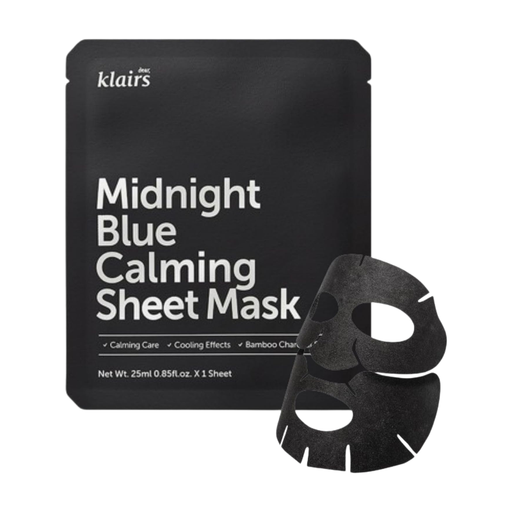
Why this suits the profile: The pack contains 10 masks of 25 ml each. That makes it a straightforward choice for anyone wanting to fit a sheet mask into a weekly routine. The product description mentions a fragrance-free formula and ingredients such as glycerin, erythritol, allantoin and centella asiatica.
The 15–20 minute wear time and clear net content mean you don’t have to guess how much product you’re using.
10 individual sheets; rayon sheet; product description states vegan and cruelty-free properties.
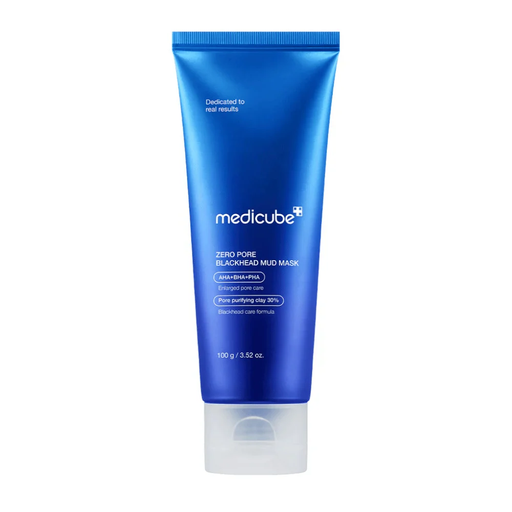
Why this suits the profile: This purifying face mask combines kaolin, bentonite and several types of clay with salicylic acid, glycolic acid and gluconolactone. It is aimed at oily or combination skin and is used 1–2 times a week.
The instructions limit the wear time to around 3 minutes. The warning about acids and citrus oils makes it clear that a patch test is advisable for sensitive skin.
Clay combination; contains AHA, BHA and PHA; designed for use on areas with visible pores.
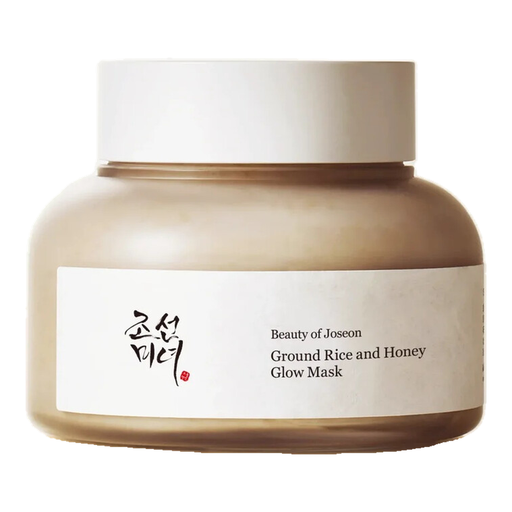
Why this suits the profile: This mask combines kaolin, honey, rice powder and rice bran. It is a wash-off mask for those looking for a blend of hydration, gentle exfoliation and T-zone care within Korean skincare.
The instructions are clear: leave on for 15–20 minutes and rinse off with lukewarm water. This makes it obvious that it is not a leave-on overnight mask.
150 ml; kaolin and bentonite; honey listed at 5%; rice powder for gentle mechanical exfoliation.
We’ve put together a full, up-to-date list of products that fully meet these strict selection criteria and comply with current European safety regulations.
Do not use several strong exfoliating products at the same time. A mask with retinol, such as a variant in some multi-packs, requires extra attention to the instructions and sun protection during the day.
It depends on the type. A hydrating sheet mask, for example, can be used once or several times a week if your skin tolerates it well. A clay mask with acids is usually used less often, for example 1 to 2 times a week as per the product instructions. Stop if irritation occurs and adjust the frequency to suit your skin.
Check the expiry date or the period-after-opening on the packaging. An opened pot mask can dry out more quickly or become contaminated if you keep scooping product out with damp fingers. Close the packaging immediately and store the mask in a cool, dry place away from direct sunlight. A sheet mask is generally intended for single use.
Not automatically. Korean skincare includes both soothing, hydrating and exfoliating formulas. So check the ingredients and warnings. A fragrance-free sheet mask can be a logical choice for sensitive skin, while a pore mask with clay and acids is more suited to oily or combination skin. Always test a new product carefully first and follow the packaging instructions.
