
Vandaag of morgen in huis

Kwaliteit gegarandeerd

Welkomstaanbiedingen ontgrendelen: GRATIS bezorging | Tot 80% korting | Gratis 30 dagen JoyPlus-proefperiode
Download de app
A face mask can be a useful addition to your skincare routine, but not every mask suits every skin type or occasion. A sheet mask for dry skin has different properties from a clay mask for oily skin. The marketing around K-beauty face masks can also make comparing products more difficult.
Pay particular attention to these common pitfalls:
A sheet mask is soaked in essence and is usually worn for 15 to 20 minutes. A hydrogel mask often fits closely to the skin and may have a longer wear time. According to the product description, Biodance masks are designed to be worn for three to four hours during the day or overnight, until the mask becomes transparent.
A clay mask works differently. The Skin1004 Madagascar Centella Poremizing Fast Clay Stick Mask has an application time of three to five minutes. According to the ingredients list, the product contains kaolin, bentonite, illite and montmorillonite, among other ingredients. The stick format makes application easier and means you do not have to put your fingers into the product.
Do not just look at the front of the packaging. Check whether ingredients such as glycerine, panthenol, ceramides, betaine or hyaluronic acid are suitable for a moisturising face mask for dry skin.
For oily skin or a face mask for blemish-prone skin, kaolin, bentonite, charcoal or mud are often used. That does not mean every clay mask is suitable for daily use. Once or twice a week may be more practical, depending on the product instructions and how your skin reacts.
If you have sensitive skin, it is worth paying extra attention to fragrance, essential oils and fragrance allergens. The Dear Klairs Midnight Blue Calming Sheet Mask is described as fragrance-free, but the ingredients list does include tea tree oil and limonene. Always check the current packaging if you are sensitive to certain substances.
Compare the number of masks and the contents per pack. A set of four hydrogel masks may seem better value, but it may have a longer wear time and therefore be less suitable for a quick routine. A pack of ten sheet masks is useful if you want to schedule a regular skincare session several times a week.
Also check the expiry date, batch information and storage instructions. Many masks should be stored in a cool, dry place away from direct sunlight. A clay mask in stick form should be closed securely after use to help prevent it from drying out.
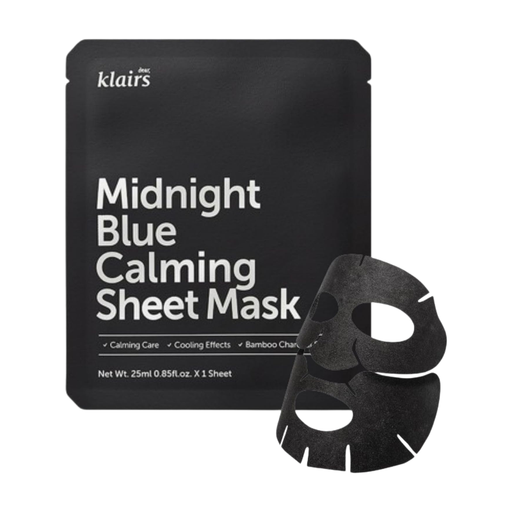
Why it suits this profile: A sheet mask is easy to use and fits neatly into a short skincare routine. According to the product information, the pack contains 10 masks of 25 ml.
The recommended wear time is clear: 15–20 minutes. However, check the ingredients, as the list includes limonene and tea tree oil.
Rayon sheet, 25 ml of essence per mask and a product description that mentions Centella Asiatica, erythritol and a cooling sensation.
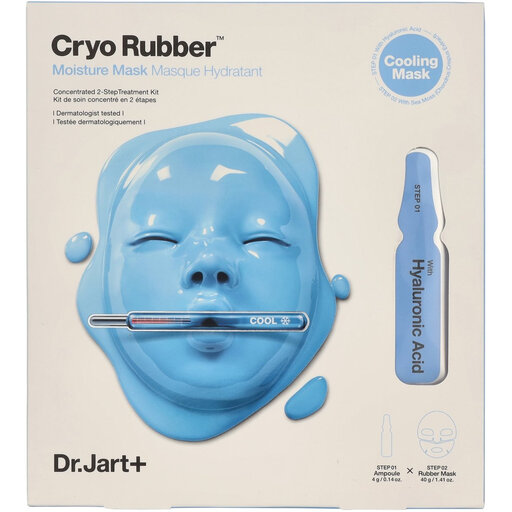
Why it suits this profile: This two-step system is designed for anyone who wants to take their time with a more comprehensive moisturising face mask.
The formula and application steps are clearly described: apply the ampoule first, followed by the rubber mask. The recommended wear time is 30–40 minutes.
According to the ingredients list, it contains glycerine, niacinamide, panthenol and various forms of hyaluronic acid, among other ingredients. The set contains two masks.
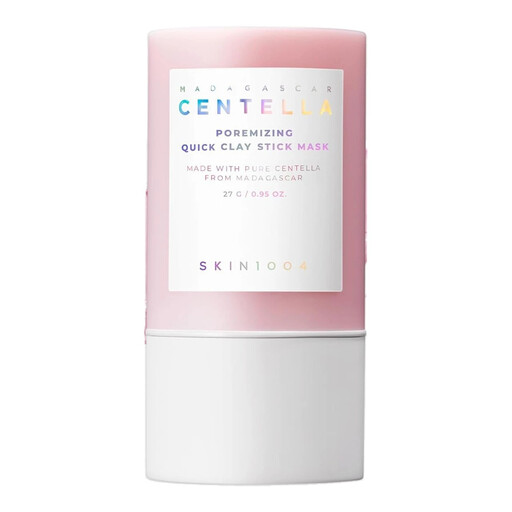
Why it suits this profile: The stick format is practical for targeted application to areas such as the nose, chin or forehead.
The short three-to-five-minute application time helps prevent the clay mask from being left on unnecessarily long. Do not apply it around the eyes or mouth.
27 grams of product, five types of clay according to the product description and application without direct contact with your hands.

Why it suits this profile: The hydrogel format and long wear time are well suited to a relaxed evening routine or an intensive skincare session.
The instructions specify a clear wear time of three to four hours during the day or use overnight. The mask is for single use.
Set of four masks containing glycerine, panthenol, ceramide NP and several forms of hyaluronic acid, among other ingredients, according to the ingredients list.
We have put together a complete, up-to-date list of products that fully meet these strict selection criteria and the applicable European safety regulations.
Test a new product on a small area of skin first, especially if you are using a face mask for sensitive skin. Stop using it if you experience redness, itching, a burning sensation or swelling, and follow the safety information on the packaging.
That depends on the type. A hydrating sheet mask is often used several times a week according to the packaging. A clay mask or peel-off mask usually calls for more restraint. Check the instructions and adjust the frequency according to how your skin reacts.
Choose a formula with moisture-binding and nourishing ingredients such as glycerine, panthenol, hyaluronic acid or ceramides. A hydrogel mask or rich gel mask may be suitable. Avoid intensive cleansing if your skin feels tight afterwards.
Usually not without checking the product instructions. Clay masks containing kaolin or bentonite are designed to target excess sebum and pores, but daily use may be uncomfortable for some skin types. If necessary, apply the product only to oilier areas and moisturise afterwards.
