
Vandaag of morgen in huis

Kwaliteit gegarandeerd

Welkomstaanbiedingen ontgrendelen: GRATIS bezorging | Tot 80% korting | Gratis 30 dagen JoyPlus-proefperiode
Download de app
A face mask may seem like a simple purchase, but the difference between a product you love and one you regret buying often comes down to the details. A sheet mask may be too large, a clay mask may leave your skin feeling tight, and an overnight mask may be awkward to use if it doesn’t dry properly.
So don’t just look for words such as “glow”, “collagen” or “deep hydration”. Pay particular attention to the ingredients list, how long to leave the mask on, its material and the warnings on the packaging.
Brands use terms such as “firming”, “brightening” and “pore care” to position a product. That doesn’t mean everyone will see the same results. According to its own research, Dr.Jart+ reported, among other things, an immediate 108% increase in moisture for Vital Hydra Solution PRO; the test involved 32 women after one use. Figures like these relate to that specific test group and usage scenario, not a guarantee for every user.
So check which information can be verified:
A hydrating face mask often contains humectants such as glycerine, betaine, panthenol or hyaluronic acid. A clay mask, for example, uses kaolin or bentonite to absorb sebum and impurities from the skin’s surface. These products serve different purposes.
A face mask for sensitive skin calls for extra care. Fragrance, essential oils, acids and some plant extracts may cause irritation for some users. “Dermatologically tested” or “hypoallergenic” is not a personal guarantee. The ACM says product claims must be clear and verifiable, so always read the current packaging.
Longer isn’t automatically better. A sheet mask that dries out can feel uncomfortable. A clay mask usually doesn’t need to dry completely. A hydrogel mask is designed for longer contact with the skin and, depending on the product instructions, can sometimes be left on for several hours.
Follow the recommended wear time and stop if you experience a burning sensation, itching, redness or swelling. Don’t use a mask on damaged or irritated skin. If it’s a new product, consider doing a patch test first.
For hydration, look for glycerine, panthenol, betaine, sodium hyaluronate and different forms of hyaluronic acid. Some formulas contain ingredients such as ceramides, cholesterol and phytosphingosine to support the skin barrier.
A collagen face mask may contain collagen extract or hydrolysed collagen. This doesn’t automatically mean the mask will structurally firm the skin. It’s better to describe it as a product that may temporarily leave the skin feeling cared for, smoother or more hydrated, depending on individual experience.
Brightening masks often include niacinamide, rice extract or glutathione in the ingredients list. When using acids such as salicylic acid, glycolic acid or gluconolactone, it’s sensible to wear sun protection during the day, as your skin may react more sensitively.
A pack containing several individual sachets is handy if you want to use a hygienic single portion each time. A pot or tube is more convenient for a mask you use multiple times, but make sure you close it properly to prevent it drying out.
Always check:
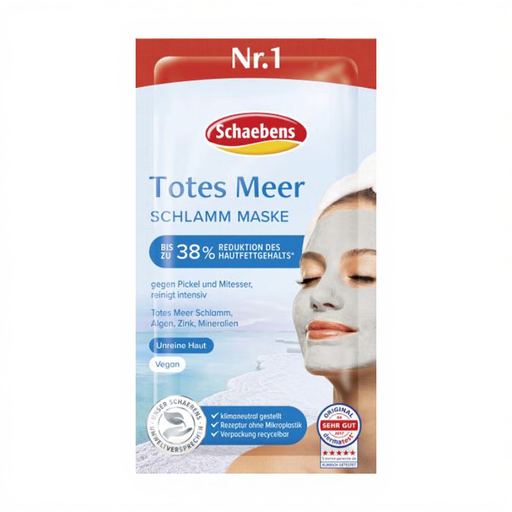
Why it suits this profile: The 15 ml portion is ideal if you want to try a clay mask before buying a larger pack. Leave it on for 10 to 15 minutes, then rinse it off.
The recommended wear time and amount are clearly stated. The formula includes Dead Sea mud, kaolin, camomile and aloe vera. Avoid the eye and lip area, and rinse thoroughly.
A single-use portion, a 10–15-minute application time and a formula free from microplastics, PEGs, silicones, paraffins, colourants and allergenic fragrances, according to the product description.
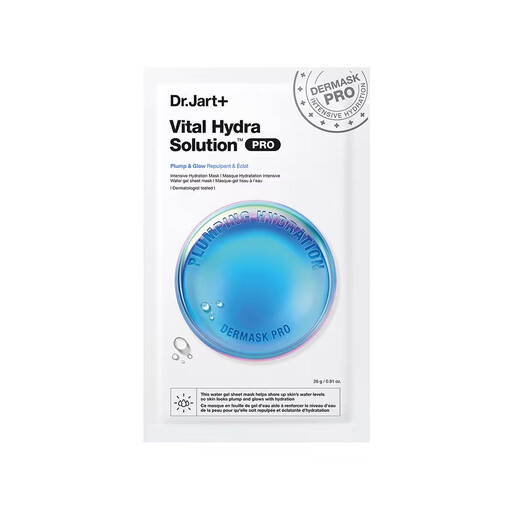
Why it suits this profile: This sheet mask is ideal for an evening when you want to give your skin a targeted boost of hydration without a lengthy preparation. The recommended wear time is 15 to 20 minutes.
The product information lists specific ingredients such as glycerine, sodium hyaluronate, betaine and allantoin. Brand claims are linked to specific test groups and are not presented here as a guarantee.
A thin, single-use sheet mask with an essence featuring several humectant ingredients. According to the product information, it has been dermatologically tested.
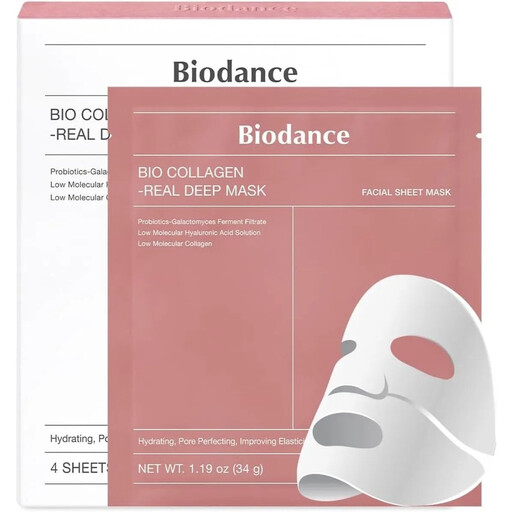
Why it suits this profile: The hydrogel texture is designed for extended use: according to the instructions, 3 to 4 hours during the day or overnight. It’s a good fit for a regular weekly skincare routine.
The transparent finish acts as a clear sign that it’s time to remove the mask. It’s for single use and should be removed when it turns transparent or once the stated time has elapsed.
Four individually packed 34 g masks, with collagen extract, galactomyces ferment filtrate, glycerine and hydrolysed hyaluronic acid listed in the product description.
Want to compare different formulas, such as a Korean face mask, a brightening mask, an overnight mask or a pore mask? Take a look at the wider range of skincare masks too.
We’ve put together a complete, up-to-date list of products that meet these strict selection criteria and the applicable European safety requirements.
It depends on the type. A hydrating sheet mask, for example, can be used weekly or as needed, in line with the product instructions. Clay masks are often used once or twice a week. Always check the packaging and pay attention to how your skin reacts.
It depends on the formula. A hydrogel mask fits closely to the skin, but ingredients such as fragrance, essential oils or acids may feel uncomfortable for some people. Check the INCI list, test it on a small area of skin first and don’t use the product on irritated skin.
Not always. Sheet masks and many hydrogel masks are removed, after which you can pat in any remaining essence. Clay masks, peel-off masks and some wash-off formulas should be rinsed off. Follow the specific directions on the packaging.
